





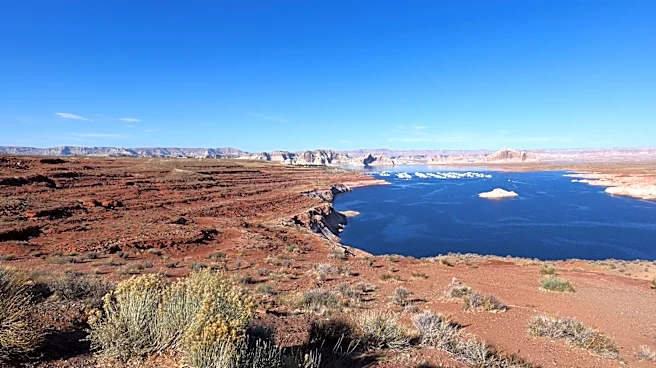
Arizona is taking the next step in its quest to import water to make up for declines in its Colorado River supply.
The Water Infrastructure Finance Authority of Arizona approved more than $7 million for studies to advance two proposed water developments in California that could bring new water into Arizona. The prospective plans would trade investments in Southern California groundwater storage and water recycling for a sliver of the water that California takes out of Lake Mead.
Arizona is bracing for cuts of at least 760,000 acre-feet a year from its 2.8 million-acre-foot Colorado River allocation. That level of reduction reflects the widely reported likelihood that the U.S. Department of the Interior will soon formally accept an offer from Arizona,
California and Nevada to collectively reduce their use by 1.25 million acre-feet a year for the next two years.
It's a prospect that Assistant Interior Secretary Andrea Travnicek foreshadowed during an Aug. 19 PBS livestream report about the river.
"Right now it's looking like it'll have to be 1.5 million acre-feet," she said, with 1.25 million coming out of the three states and the rest from Mexico.
But that would only cover the first two years of the next decade, and Interior has released a plan that could as much as double those cuts and perhaps drain the Central Arizona Project canal if conditions on the river continue to deteriorate.
The legislatively authorized WIFA board agreed to pay project developer Epcor to analyze two prospects that collectively could exchange much larger Arizona financing in exchange for up to 200,000 acre-feet of California’s share of the river.
The move represents the kind of methodical cost-benefit analysis that Arizona will need to secure its water future, WIFA Director Chelsea McGuire said. It will take time to ensure that the projects are feasible, and the board will only spend more when it’s clear that it makes sense, she said.
“You’ve seen the headlines,” she said, referring to the Colorado’s decline. The severity makes it important to vet a project’s feasibility before committing big money, she said, and that’s what this step is meant to do. “We only get one shot at doing this right. So we don't have the luxury of false starts, of stopping and starting over.”
One idea from the Canada-based company that gained unanimous board approval on Aug. 19 would pay to build and operate a system to bank excess Sacramento and San Joaquin river water that is delivered to Southern California through the State Water Project. A California district with rights to the Colorado could then draw on that source instead and allow Arizona to take its river water into the Central Arizona Project canal.
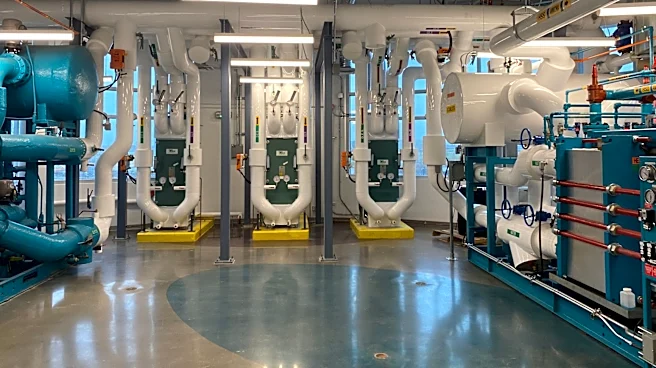
The other idea would use Arizona dollars to upgrade a treatment plant that currently treats Mexican sewage for release through the Tijuana River and into U.S. coastal waters near San Diego. The upgrade would purify that water to drinking-water quality and return it to Mexico in exchange for part of that county’s Colorado River treaty right.

Drawing down Ducey's $1B fund
The proposals are just the first two of seven that WIFA is considering to get advanced study support, with a legislative mandate to seek up to 500,000 acre-feet of water imports that could start flowing within 10-15 years. Others expected to come in for review before year’s end include seawater desalination plans in Mexico and California.
An acre-foot is a volume sufficient to support three or more households for a year, though much of Arizona’s water is applied on farms. The Colorado currently accounts for roughly 38% of tap-water deliveries in metro Phoenix, according to researchers at Arizona State University’s Kyl Center for Water Policy. Phoenix water officials, among others, say they are planning to dip into their own stores of groundwater, some of it banked during times when the river gave more than they needed, to bridge the gap until new supplies are identified.
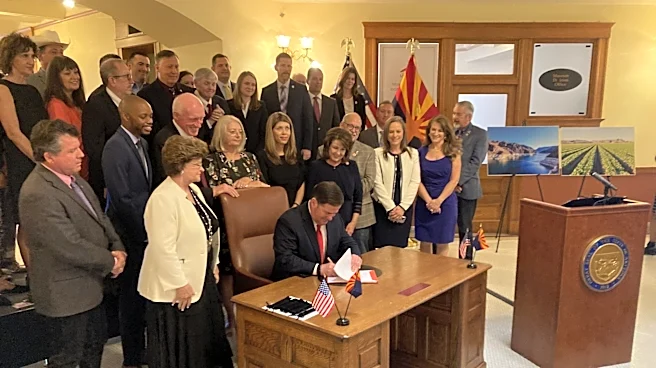
Epcor’s project studies are funded out of WIFA’s Long Term Water Augmentation Fund, a pot of money that former Gov. Doug Ducey and lawmakers committed $1 billion to in 2022 but that has since been pared to about $386 million as legislators and Gov. Katie Hobbs sought to fill other funding gaps.
Up to a quarter of the fund is to seek in-state solutions, such as water recycling, but at least 75% must go toward seeking imports.
Even with a full $1 billion fund, McGuire said, Arizona would need to find more money to actually see these projects through construction. One desalination plant alone would cost more than Ducey’s original commitment, she said.
“That was never going to be enough to fund an entire project,” McGuire said.
If any of the projects under study is built, Arizona cities, irrigation districts or other users would first commit to buy the water, and the state could use those contracts to back full financing.

What will imported water cost Arizonans?
It is unclear how much that water would cost Arizonans, but it is certain that it would be more than what they currently pay. While Cenral Arizona Project water costs more than $300 per acre-foot, desalinated seawater can cost thousands.
Even without these investments, though, WIFA board member and former CAP general manager Ted Cooke said CAP is going to have to start charging more to keep the pumps running on its canal when it has less Colorado River flowing through it and raising revenue.
“Watch what happens to that price when their deliveries get cut in half,” Cooke said.
Arizona water leaders including CAP’s current general manager already have begun asking for residents’ understanding as water rates inevitably climb as cities adapt to drought and shortage.
So far, Epcor says it has talked to potential partners in California and Mexico but has not sought commitments until it can provide more details from the upcoming studies, which could take about two years to complete. Possible partners that the company listed for the groundwater storage project include some of the largest holders of Colorado River rights, including the Imperial, Palo Verde and Coachella Valley irrigation districts and the Metropolitan Water District of Southern California.
The first stage of these studies will take about nine months, after which the WIFA board can again assess whether to continue supporting them or drop them in favor of other ideas.
WIFA board co-chair Peter Kim quizzed the Epcor team about why California water users wouldn’t prefer to build these water projects on their own, without surrendering any Colorado River water.
It’s because they likely will need Arizona’s money to make the projects happen, said Sujan Punyamurthula, an executive with Epcor’s partner engineering firm, Stantec.
“There’s a limitation of dollars,” he said. “There is a lot of interest in funding support as long as it is a win-win situation.”
Part of what could make it attractive to California partners, according to the Epcor team, is that the project would leave behind more groundwater for future use than what Arizona imports in exchange.
The board advanced both project analyses unanimously.
“We’re anxious to get started,” board chairman Jonathan Lines said. “Please go forth and conquer.”
Brandon Loomis covers environmental and climate issues for The Arizona Republic and azcentral.com. Reach him at brandon.loomis@arizonarepublic.com.
Environmental coverage on azcentral.com and in The Arizona Republic is supported by a grant from the Nina Mason Pulliam Charitable Trust.
Follow The Republic environmental reporting team at environment.azcentral.com and @azcenvironment on Facebook and Instagram.
This article originally appeared on Arizona Republic: California water projects could boost Arizona's Colorado River supply