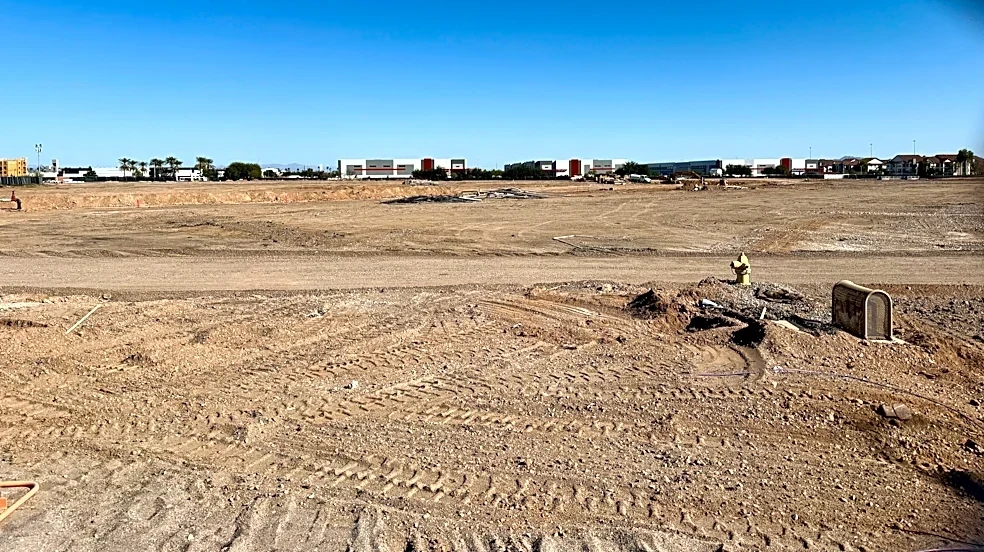






Arizona Attorney General Kris Mayes confirmed her office is investigating a controversial data center project under construction in Ahwatukee.
The project is among almost 200 planned, under construction or operational data centers identified by Mayes’ office, which is considering bringing nuisance lawsuits against developers of the tech infrastructure.
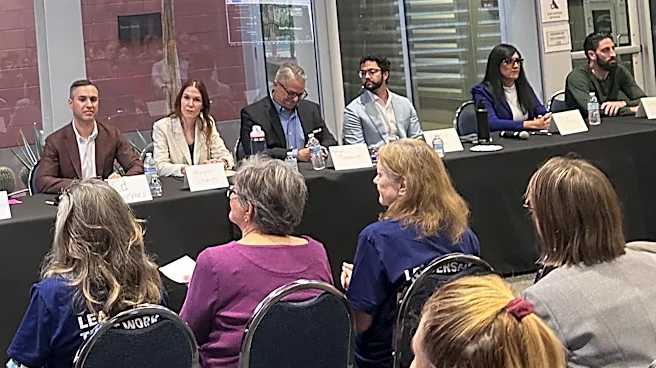
Mayes’ well-attended town hall in Mesa underscored the salience of data centers in the 2026 election. Mayes, a Democrat who won her first term by just 280 votes, is running for reelection against Republican Warren Petersen.
Data centers have been supporting computing for decades. But larger hyperscale data centers, often built to support artificial intelligence, have drawn more scrutiny and significantly
increased projected energy demand.
Polling shows a majority of Americans would oppose a data center in their backyard. While just half of respondents to a March Gallup poll said they would oppose a nuclear power plant in their area, more than 70% said they would oppose a data center.
Mayes, a former Arizona utility regulator, is one of several Arizona candidates who have made data centers a major talking point. Some municipalities around the state have gone further, considering restrictions or even temporary moratoriums.
“It’s no secret that data center development is surging across the country and in Arizona,” Mayes said. “The scale is remarkable. The Phoenix area is now the second largest U.S. data center hub.”
Mayes said more than 100 of the identified projects were operational, and about 50 were planned or in the works.
The town hall came the same day Mayes announced she would join attorneys general from several other states in a lawsuit against OpenAI, creator of the popular large language model ChatGPT. The lawsuit claims the chatbot harmed Arizona children.
Attendees, many of them speaking about the planned Ahwatukee data center, expressed concerns about emissions, water use, potential noise and health impacts, and depressed property values.
The room was openly hostile to activist Lisa Everett, who touted the economic benefits of data centers, especially for union workers, and said technology like closed-loop cooling systems could address some concerns around water use.
“$816 million was paid in taxes by data centers,” Everett said. “And that number will only grow.”
For Mayes, it was a friendlier crowd. The attorney general previously called for a statewide moratorium on data centers, but that authority lies with the state Legislature, not her office.
“Only the legislature and the governor could implement a statewide moratorium, so I am limited to the tools that I have as your attorney general, which is the bully pulpit and nuisance law,” Mayes said. “And intervening in front of the Corporation Commission.”
At the town hall, Mayes focused largely on her office’s efforts to bring nuisance lawsuits against projects. Mayes has previously used the state’s nuisance laws as the basis of legal action. In 2024, she sued an alfalfa grower for allegedly "excessive" groundwater pumping.
Her use of nuisance lawsuits has at times been criticized, and even prompted legislation intended to limit her power. Mayes said her office is also researching the legality of nondisclosure agreements between local governments and data center developers.
“My office has received countless reports of data centers flooding neighborhoods with waste heat, loud and persistent noise, and unchecked air pollution,” Mayes said. “That is unacceptable, and it can violate our state’s nuisance laws — and you know, I have not been afraid to use our state nuisance law.”
This article originally appeared on Arizona Republic: Kris Mayes considers nuisance lawsuit against Ahwatukee data center