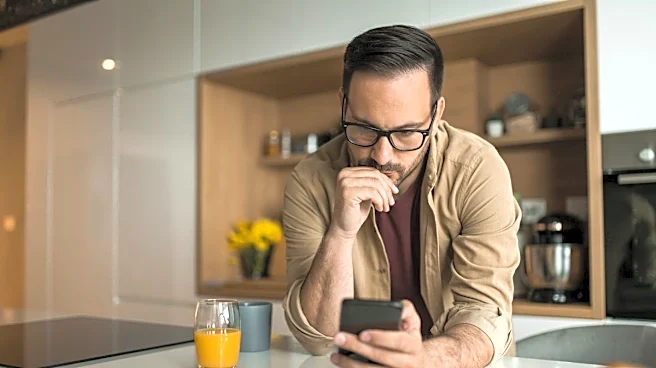


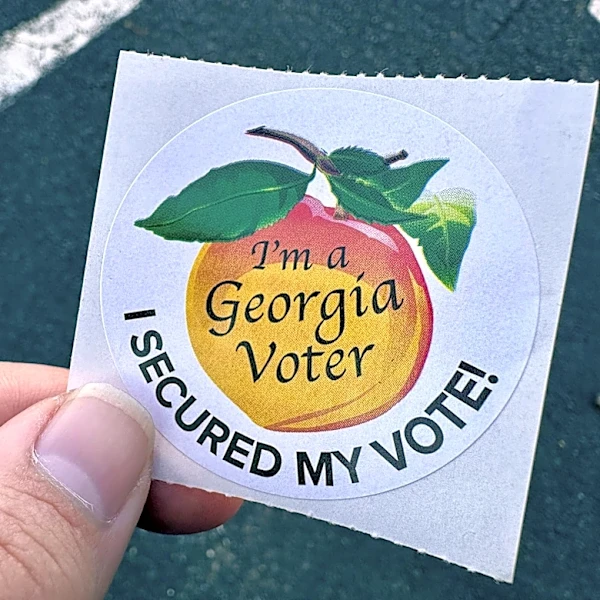

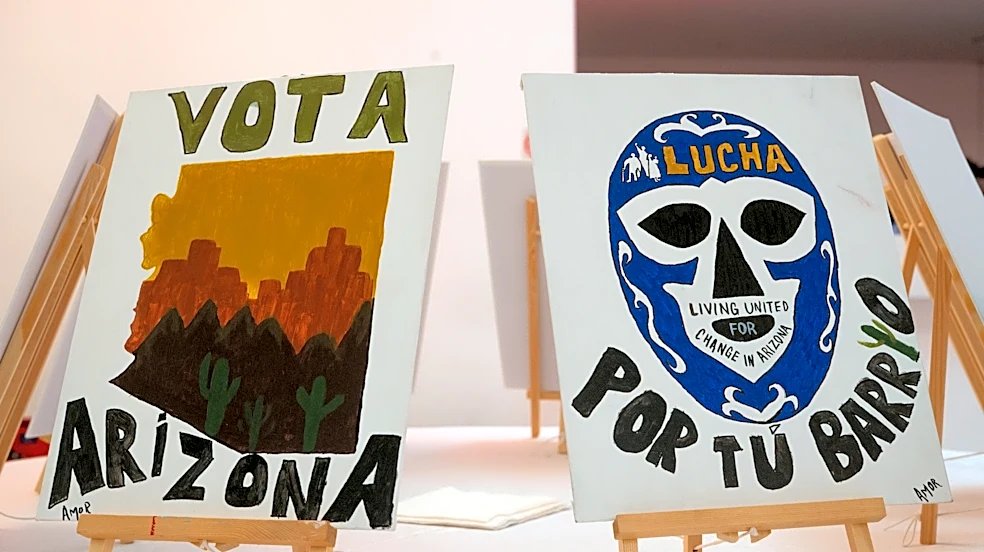

In the weeks leading up to the election, you may have noticed the number of political text messages ramping up on your phone.
Political campaigns are increasingly using text messages to reach potential voters because they're relatively inexpensive to send and can reach large audiences quickly. Most people now own a phone, and texts have a 98% open rate compared with roughly 20-22% for emails, according to a 2021 report by Manychat, a platform that allows businesses, creators and organizations to automate messaging.
In December 2023, Americans nationwide received a record 253 million political robotexts and 1.1 million political robocalls, according to call-blocking service Robokiller.
That month, Arizona was among the 10 states receiving the most
political texts, with nearly 15 million messages sent. More than 10 million were sent by the Republican Party and about 4.5 million by the Democratic Party. Robokiller says it uses an unbiased approach to track political messaging trends, and its data does not represent any single political party or organization's campaign efforts.
Although more recent data on political messaging is limited, Robokiller's data shows that these messages have consistently increased since the early 2000s and tend to peak during election seasons.
So, if political texts feel out of control lately, it's not just you. Here's everything you need to know about why you're receiving them and how to stop them.
Why am I receiving political text messages?
If you’re not sure why you’re receiving political text messages, you most likely opted in at one point or another.
For example, sharing your phone number with a company likely means you’re agreeing that they’re allowed to share your phone number with other third parties. (You probably didn’t read the fine print, did you?)
Additionally, political calls and text messages are regulated differently than other marketing calls and text messages. Political campaigns do not have to abide by the Do Not Call Registry, according to the Federal Communications Commission. That means you might still be getting text messages even if you have your number registered on the list.
Can I opt out of political text messages?
If you’re sick of political text messages, replying “STOP” should do the trick so long as the text is coming from a legitimate business or organization.
But because political campaigns don’t need to comply with the Do Not Call Registry, they should have your permission before contacting you. This is when you may have inadvertently agreed to share your phone number with third parties.
Of course, there's always the possibility the text messages could be a scam.
If you suspect the message to be a scam, you can forward the text message to 7726 (SPAM). You can also block the number or file a complaint with the FCC if all else fails.
This article originally appeared on Arizona Republic: Political text messages ramp up. Here's how to stop them in Arizona