



Arizona regulators have stood by as a multibillion-dollar online gaming company continues operating in the state nearly two years after officials directed it to shut down.
As Virtual Gaming Worlds raked in millions of dollars from online users in apparent violation of state law, the company made handsome donations to both political parties.
More than $200,000 went to groups supporting Democratic Gov. Katie Hobbs and Arizona Attorney General Kris Mayes, whose offices share responsibility for upholding the state's gambling laws.
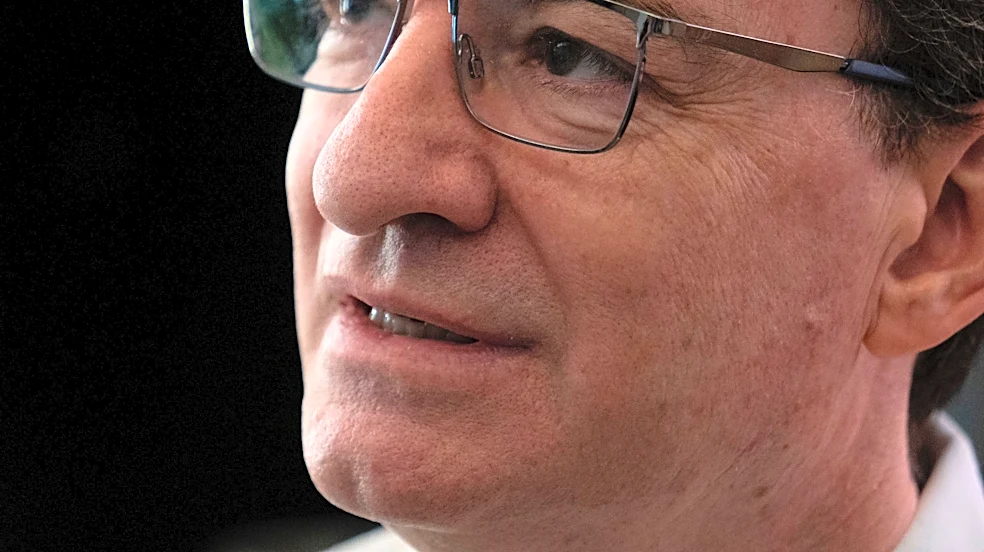
The company, owned by Australian billionaire Laurence Escalante and better known by its acronym VGW, has continued to operate in Arizona even though state regulators ordered the firm to “cease and desist” from what they described
as illegal gambling in November 2024.
Operating the websites Chumba Casino, Global Poker, and Luckyland Slots in Arizona constitutes a felony enterprise, regulators with the Arizona Department of Gaming told the company in the 2024 letter. Civil or criminal charges could follow, the agency warned.
No charges have materialized.
Arizona’s top Democrats are touting their commitment to consumer protection as they seek reelection in the 2026 midterm elections. Regulators have made a show of going after unlicensed operators who they say are operating without the state's permission, cutting into the profits of authorized operators and putting the public at risk.
But documents obtained by The Arizona Republic show regulators’ efforts to hold one of the biggest operators accountable stayed behind closed doors — and then languished.
Gaming Department regulators did not inform the public of the allegations against VGW, despite issuing press releases for similar enforcement actions taken against other “sweepstakes” online gaming companies.
In private, regulators accused the firm of brazenly violating laws meant to keep consumers safe.
The company has ramped up its campaign finance and lobbying efforts across the United States over the past few years. It was valued at around $3 billion in 2023, the year Escalante bought out other shareholders to take full control. Escalante resigned as CEO this summer amid allegations of domestic violence and substance abuse.
The firm has spent more than $1 million on political donations in 2026 as it battled lawsuits from at least three state attorneys general.
The company is hedging its bets in Arizona, making six-figure contributions to state Democratic and Republican groups ahead of the 2026 midterms.
It’s not the first time the company has been accused of ignoring warnings from U.S. states. In 2024, the firm’s chief operating officer claimed VGW had been unaware for more than a year of a cease-and-desist letter sent by Delaware regulators.
The governor and attorney general offered limited answers about the rise and fall of the regulatory push, or why it occurred behind closed doors.
Christian Slater, a spokesperson for Hobbs, said the Governor’s Office “cannot comment on active and ongoing investigations.” Her administration was partnering with federal law enforcement officials who were better equipped to address “transnational organizations that rely on cryptocurrency,” Slater said. It was unclear if that description referred to VGW.
Jessica Roza, a Gaming Department spokesperson, did not directly answer a question about why the case against VGW was not publicized. She said the agency had received consumer complaints about sweepstakes companies, including VGW, and had directed them toward the Attorney General’s Office.
The Gaming Department still believes the company is operating illegally in Arizona and “continues to evaluate enforcement options,” she said Oct. 19.

An aide to Mayes said the company was "on the attorney general’s radar," but the company's overseas headquarters "presents significant jurisdictional and resource challenges to state prosecutors." Her office provided a copy of an Aug. 5, 2025, letter Mayes signed, asking the U.S. Attorney General's Office for help prosecuting offshore gambling operations.
"The Attorney General’s Office would welcome more resources to pursue enforcement actions, but the Legislature has cut the Office’s budget in nearly every budget cycle over the past several years, including a 2.5% cut this fiscal year," said Richie Taylor, a spokesperson for Mayes.
A VGW representative said the company would welcome efforts by state lawmakers to regulate its business model. The statement did not address a list of specific questions about the firm’s activities in Arizona.
The company is “committed to respectful engagement with interested States about establishing modern, appropriate regulatory structures for Social Plus games that benefit players and States alike,” spokesperson Michael Bennet wrote.
VGW “continues to have full confidence in our compliance with all laws and regulations where we operate,” he wrote.
Enforcement effort dates back to 2024
Arizona regulators’ clash with VGW began in 2024, three days after the general election.
Douglas Jensen, the Gaming Department’s chief law enforcement officer, did not mince words in a letter dated Nov. 8, 2024.
The letter warned VGW, in bolded capital letters, that the company was “HEREBY DIRECTED TO IMMEDIATELY CEASE ALL ONLINE (OR OTHER) GAMBLING OPERATIONS AND ACTIVITIES IN ARIZONA.”
Jensen laid out the department's legal reasoning in the three-page document.
VGW's games give users the option of playing for “gold coins” rather than real currency, Jensen acknowledged, and players are given regular opportunities to participate for free.
But players can also buy “sweeps coins,” which can be redeemed for real money if users win enough, Jensen wrote.
The letter listed VGW’s alleged crimes: felony promotion of gambling, illegal control of an enterprise, and money laundering.
VGW responded to the agency three weeks later in an 18-page letter.
Before making legal arguments defending the company’s conduct, Behnam Dayanim, a Washington, D.C.-based gaming compliance lawyer, asked the agency not to provide the document if a member of the public requested it.
“VGW respectfully requests that the Department treat this letter and the enclosures as confidential trade secrets and commercial information exempt from public disclosure,” Dayanim said in the letter, dated Dec. 2, 2024.
Dayanim compared the platforms to a McDonald’s “Happy Meal” sweepstakes. Players may put money in and get money out, he argued, but the platform doesn’t constitute gambling because many users participate for free.
Besides, he wrote, there’s a way players can get free sweeps coins in unlimited supply: “By mailing a written request” to the company.
The Gaming Department responded just eight days later, in a flatly-worded, two-page memo.
“It remains our conclusion that VGW's activities in Arizona amount to the promotion of unregulated, unlicensed, and illegal gambling,” Jensen wrote on Dec. 10, 2024.
“VGW has purposefully placed obstacles to, and limitations on, free play,” the letter continued. “This is illegal gambling, and the Department directs VGW to stop.”
Jensen rejected the company’s request that its letter be kept confidential, saying the agency was “not commenting on” or “agreeing” to the request.
The Gaming Department provided the letter to The Arizona Republic on Oct. 14 in response to a public records request.
VGW continues to operate in Arizona
While legal action against VGW appears to have stalled in Arizona, the company has taken care to ensure its users are not playing from “excluded territories.”
As of Oct. 21, the company’s terms and conditions listed 16 states where it does not do business.
Arizona was not one of them.
To sign up for one of VGW’s online platforms, Chumba Casino, an Arizona Republic reporter was prompted to share the real-time location of her device, provide her Phoenix residency address, upload photos of her Arizona driver’s license, and, as proof of residency, provide a copy of her utility bill.
Several online sweepstakes operators, including VGW, have drawn consumer complaints, said Roza, the Gaming Department spokesperson. The agency has provided consumers with information about how to file a complaint with the Attorney General’s Office, Roza said.
“Broadly, users report difficulty receiving payouts after depositing money and being unable to withdraw their 'winnings,' being able to continue gambling and receiving advertising despite being on the state’s voluntary self-exclusion list, etc.,” she told The Republic, speaking generally about the industry.
From The Republic’s office in midtown Phoenix Oct. 20, a reporter lost roughly $10 worth of virtual coins playing “Buffalo Blitz Live,” a slots game that rewards players who land on winning combinations of wildlife like bears, raccoons, and, for the biggest payout, gleaming gold cartoon buffaloes.
Hobbs, Mayes benefit from VGW’s campaign money
Both Hobbs and Mayes play a role in upholding the state’s gaming laws.
The Gaming Department, under Hobbs’ purview, is tasked with licensing gambling operators and investigating reports of unauthorized behavior.
The attorney general has the power to prosecute. Mayes has dedicated staff who help oversee the Gaming Department, and her office represents the agency as a client.
Both Democrats have taken a relatively tough approach to other gaming operators.
Mayes brought the country’s first criminal charges against betting giant Kalshi in March.
Hobbs proposed raising taxes on sports betting in Arizona in 2026, though the proposal was opposed by Republicans in the Legislature and did not become law.
Both Democrats are benefiting from VGW’s political donations in this year’s elections.
The company gave $70,000 to a Navajo County-based fundraising entity being used to support Hobbs, Mayes and other Arizona Democrats earlier in 2026. The Navajo County group also received another $75,000 from the company as part of a transfer from a national fundraising group for Democratic attorneys general. A political group supportive of Hobbs received another $65,000 from LuckyLand Inc., a VGW affiliate.
Republicans are also on the company’s donor list. VGW hasgiven $10,000 to a political group supportive of Warren Petersen, Mayes’ opponent in the attorney general’s race, and $140,000 to Republicans’ efforts to maintain control of the stateHouse andSenate, records show.
Press contacts for the Republican groups that received money from VGW did not return requests for comment.
The Governor's Office also provided a statement from Martin Harvier, president of the Salt River Pima-Maricopa Indian Community, calling Hobbs a strong partner in enforcing the state's gaming laws and praising the administration's work to "crack down on illegal gaming operations."
“Governor Hobbs has always put Arizona first, and her administration has taken aggressive action to crack down on illegal gambling, combat criminal activity, and hold bad actors accountable,” wrote Michael Beyer, communications director with Hobbs’ campaign. “Every company operating in Arizona must follow the law, full stop. Governor Hobbs will always put the safety of Arizonans ahead of special interests.”
Laura Gersony covers politics for The Arizona Republic. Contact her at Laura.Gersony@gannett.com, by phone at 480-372-0389, or on Signal at +1-571-732-7212.
This article originally appeared on Arizona Republic: Gaming company defied Arizona shutdown order as political money flowed