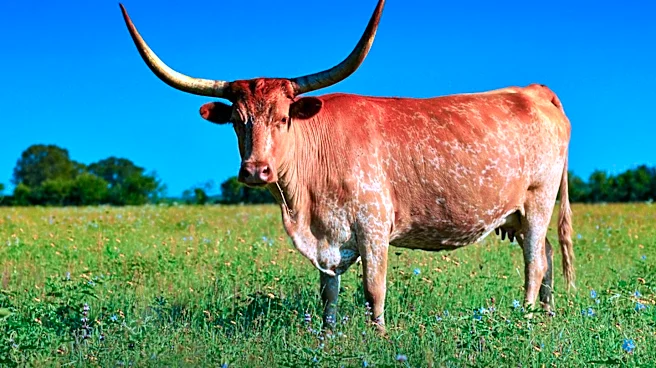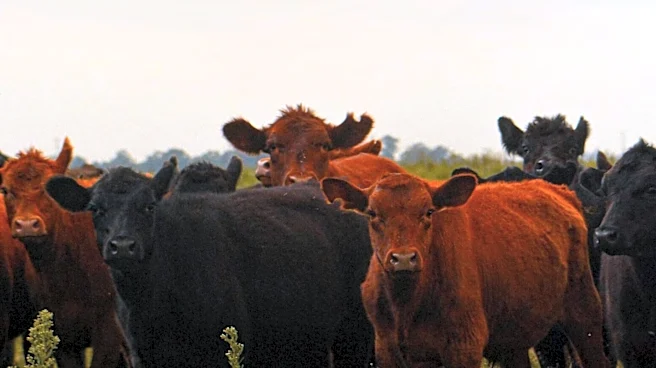

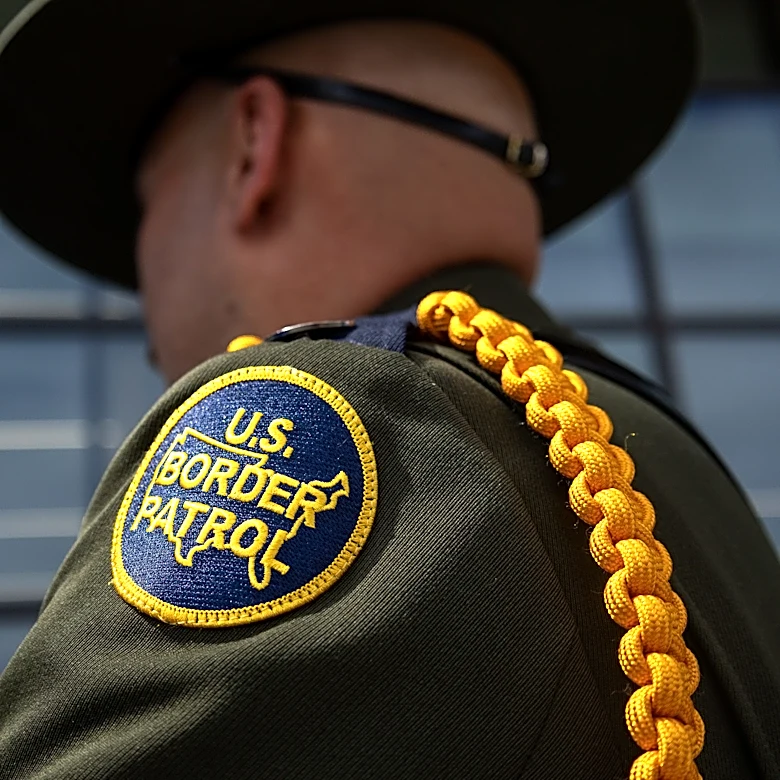


DOUGLAS — U.S. Department of Agriculture Secretary Brooke Rollins visited the Douglas, Arizona Port of Entry on July 29 as officials prepared to resume imports of Mexican cattle into the United States.
The federal agency announced July 24 it would begin the phased reopening of the border to livestock trade after a 18-month hiatus intended to halt the spread of the New World Screwworm into U.S. territory. The closure disrupted the cattle and beef industry and was blamed in part for a spike in consumer beef prices.
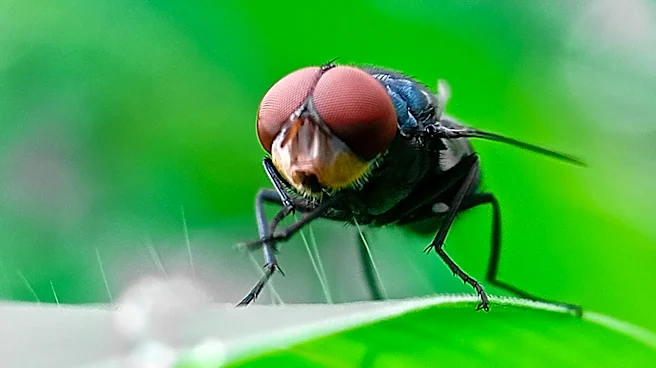
The parasite, a flesh-eating larva from flies that deposit their eggs on the open wounds of living mammals, had been contained in Central America for decades but reemerged in southern Mexico in November 2024. Since then, it has made its
way north, mostly through cattle movement between Mexican states, and into Texas, even after all southern ports of entry were closed to livestock imports.
Resuming cattle imports on Aug. 24 through Douglas is a response to recent evidence and data, Rollins told The Republic in a phone interview after her appearance.

"In the 60 days since (the New World Screwworm) hit the American side," Rollins said, "we only have nine active cases."
The reopening, she added, has to do with "what we have been able to prove through working with our ranchers, through the sterile fly drops, through increased sterile fly production, through fast tracking of medication from FDA, through EPA's fast of the novo fly and all of these different tools that have come online."
The parasite was first detected in Texas, around Zavala County, on June 3. There have been 41 cases since, all but nine inactive.
"We have been able to hold it to nine active cases when everybody thought it'd be in the thousands at this point," Rollins said.
"So it's safe. Now we can open Douglas and watch it closely."
Fight against parasite is 'ever-changing'
The other important element in the reopening is the trust in the Sonoran cattle industry disease control programs and sanitary measures at Agua Prieta facilities — something that the Secretary called "a hallmark" compared to other ports and their relationships to U.S. counterparts.
"I feel 100% confident we're going to move cattle with no issues," she said. She sees the two ports of entry in New Mexico opening shortly after. Texas is a long way from reopening, she added.
Even if the Mexican states of Sonora and Chihuahua have maintained high animal health standards throughout the years and have no screwworm cases detected as of today, the border closure was a necessary measure for the "massively devastating impact" it could have on the U.S. cattle industry, Rollins told The Republic.
"Looking at every possible thing on the table, every tool in the toolkit, realizing that we weren't going to get more sterile flies produced for another year or two. So that was the decision: to close the ports," she said.
"What that did is it brought Mexico to the table. That the leverage that was gained."
Reopening the border to cattle imports only in Douglas is unlikely to change the U.S. cattle market much or provide significant relief to feedyards and meatpacking plants. In 2024, about 1.2 million head of cattle crossed from Mexico into the United States, and about 350,000 came through Arizona.
The reopening is expected to be a controlled pilot.
The fight against the parasite "is ever-changing," Rollins said. The agency doesn't want to put a list of conditions or criteria on what would cause them to pause the border reopening because they want to remain "flexible" and because containment and control measures in Texas has proven effective so far, and the same efforts could be replicated.
"Having that said," she said, "if there's even a question that there's an infestation that is spreading faster than it should, that we can't get our arms around it, we will close that border within the hour."
Clara Migoya covers agriculture and water issues for The Arizona Republic and azcentral.
This article originally appeared on Arizona Republic: Why USDA is opening Arizona to cattle imports after screwworm cases