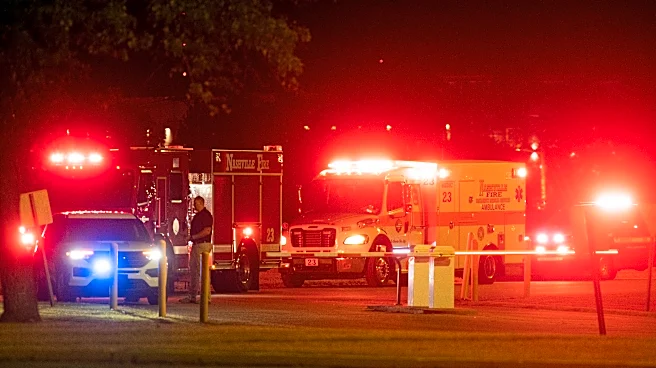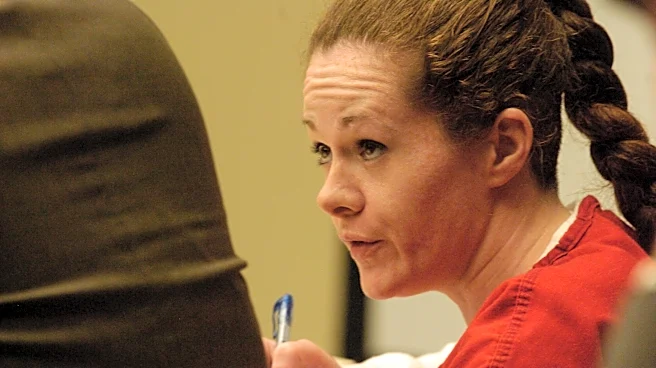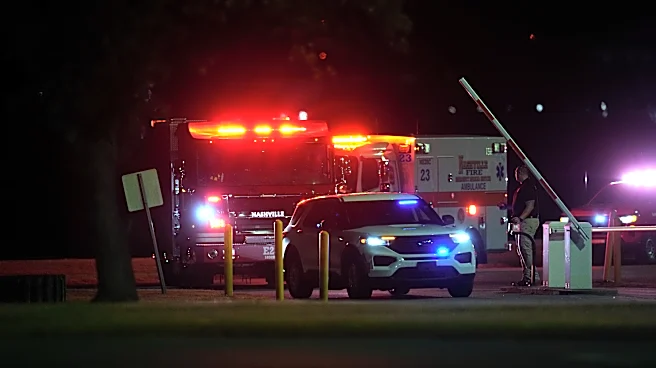






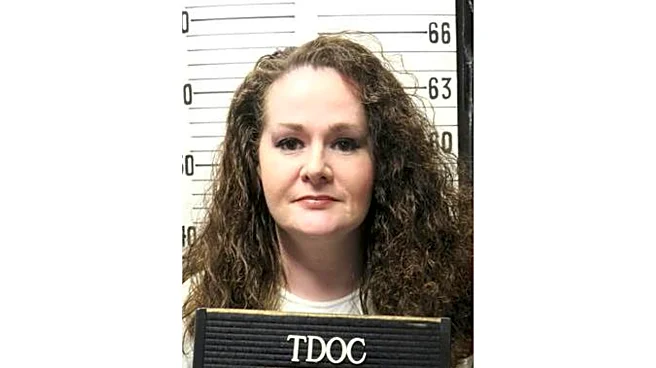
Tennessee death row inmate Christa Pike is conscious and speaking days after Tennessee's failed attempt to execute her, Pike's attorneys said in a statement Oct. 6.
Pike’s attorneys called the situation “medically unprecedented” and said she continues to receive “critical medical care.”
“Her prognosis remains unclear but, at a minimum, we expect a long recovery,” the attorneys wrote.
The Tennessee prisons chief who oversaw the failed execution Sept. 30 was previously accused of mishandling executions in Arizona.
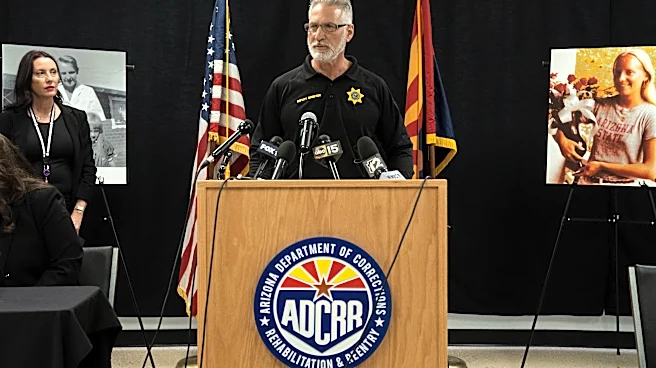
Frank Strada, a former deputy director of Arizona's Department of Corrections, Rehabilitation & Reentry, left the agency in 2023 after several executions in the state were marred by complications. Arizona overhauled its protocols following
his departure.
Facing backlash over Pike’s failed execution, Tennessee Gov. Bill Lee announced Oct. 3 Strada will step down from his post as commissioner later that month.
“Commissioner Strada has served with integrity, and I appreciate his willingness to put the interests of Tennesseans first during this difficult moment,” Lee said in a statement.
Here’s what to know about Strada’s history in Arizona.
Who is Frank Strada?
Strada was one of two deputy directors of the Arizona Department of Corrections, Rehabilitation & Reentry, supervising prison operations and serving as the public face of the state's executions.
He held the position for three years before taking over Tennessee’s corrections department, The Tennessean reported in 2023.
Arizona overhauled its procedures after Strada left.
A review led by Ryan Thornell, who became director just after Strada left the agency, found "severely lacking" documentation interfered with officials' ability to make informed decisions about procedures.
Execution drugs were stored in unlabeled jars, and reporting inconsistencies made it unclear which medical procedures were used in past executions, the review found.
Hobbs and Arizona Attorney General Kris Mayes, both Democrats, have said they are now confident in the state's execution procedures.
The Arizona Department of Corrections did not respond to The Republic’s requests for comment sent Oct. 3. Dorinda Carter, a spokesperson for the Tennessee Department of Corrections, declined to comment.
What was Frank Strada accused of?
Arizona fell under heavy scrutiny after botching three executions in 2022.
Attorneys for one of those executed prisoners, Clarence Dixon, said it took 40 minutes to insert IVs into his body. Dixon's execution team resorted to inserting an IV line into his femoral vein, which caused him to experience pain, and resulted in a "fair amount of blood," according to media witnesses.

Months later, Murray Hooper turned and asked the viewing gallery, “Can you believe this?” as the execution team tried and failed repeatedly to insert IVs in his arms before inserting a catheter into his femoral vein.
Critics of Strada say he helped bring Arizona's "flawed" past procedures to Tennessee.
A briefing, prepared by federal public defenders for a Tennessee prisoner who was executed in August, found Strada helped implement Arizona's now-defunct protocols from his new post. Some of Tennessee's guidelines copied language from the Arizona procedures "verbatim," the briefing says.
"Commissioner Strada’s tenure in Arizona was marked by repeated problematic executions and significant failures by the ADCRR to properly follow the execution protocol," the briefing reads. Still, "the 2025 Tennessee Protocol adopted by Strada repeatedly copied language from the flawed 2022 protocol that Arizona has worked to correct."
Who is Christa Pike?
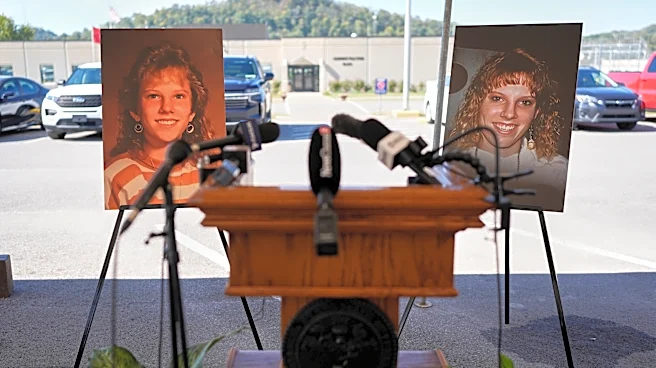
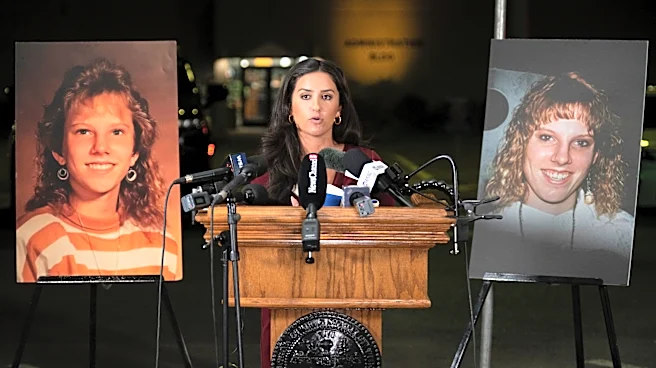
Pike was on death row for the 1995 murder of 19-year-old Colleen Slemmer. She was 18 when she and her boyfriend tortured and killed Slemmer.
Pike, 50, survived two rounds of lethal injection drugs and was taken by ambulance to a hospital, her attorneys have said.
Pike's attorneys said she had been concerned that a blood condition and issues with Pike's veins would interfere with the execution. Medical experts who testified on her behalf over the summer warned that the intravenous line could become dislodged or pierce through her veins.
Is lethal injection used in Arizona?
Arizona executes prisoners using lethal injection, though not everybody believes it should.
In 2023, Gov. Katie Hobbs commissioned an external review of Arizona's procedures, led by retired U.S. Magistrate Judge David Duncan.
Duncan accused the agency of "chilling" shortcomings: Executions staff were under-prepared to administer lethal injections, consulting Wikipedia the night before an execution to confirm the proper dose, he told state officials in a draft of his findings.
The investigation was cut short in 2024 when Hobbs abruptly fired Duncan. The governor said his preliminary recommendation to end lethal injection altogether had exceeded the scope of her executive order prompting the independent review.
In an interview, Duncan told The Arizona Republic that the failed Tennessee execution was "very sad" but not surprising. He cited research finding that about a third of lethal injection executions run into complications.
Duncan said he still doesn't have faith Arizona will avoid a similar situation in the future, despite the state having performed several executions in recent years without incident. The process of lethal injection is "just risky" and "cloaked in secrecy," he argued, making it harder for officials to learn from their mistakes and blocking independent oversight.
"The problem is bigger than just one person," Duncan said. "It's not just Mr. Strada who is at fault. It's the entire system."
Is Christa Pike still alive?
Pike was still alive as of Oct. 6, her attorneys said.
The lawyers said that despite "severe damage" to Pike's arms, she was "still handcuffed and shackled to the bed."
"She survived two complete rounds of lethal injection per Tennessee’s protocol, despite her attorneys’ warning to the state of specific challenges with her veins," their statement continued. "She is the only person known to have survived a complete execution attempt in the U.S. Christa is a survivor and will take recovery one day at a time."
She was unconscious and put on a ventilator following the execution, according to her lawyers. Witnesses in the execution chamber late on Sept. 30 said they could still hear Pike snoring as they were ushered out.
The failure prompted Tennessee Gov. Bill Lee, a Republican, to call for an independent investigation and put a pause on executions in the state for the remainder of the year. He called what happened in Pike's death chamber "disturbing" and a "tragedy."
USA TODAY's Jeanine Santucci and Amanda Lee Myers contributed to this report.
This article originally appeared on Arizona Republic: Before Christa Pike, Tennessee prisons chief faced scrutiny in Arizona