
Arizona will spend $4.9 million to study the prospect of building a seawater desalination plant in Mexico’s Gulf of California, the state’s Water Infrastructure Finance Authority decided.
The Epcor Water
Innovation Partners, with the Spanish construction company Sacyr, wants to build a plant near San Felipe on the northwest side of the gulf, also known as the Sea of Cortez. It could eventually produce up to 500,000 acre-feet of freshwater, an amount that would replace nearly two-thirds of what Arizona is about to lose under a federal plan to protect reservoir storage on the Colorado River.
If it happens, the project is proposed to come online in phases from 2034 to 2039.
"Arizona must continue exploring a range of potential water supply solutions to meet the needs of future generations," WIFA Board Chairman Jonathan Lines said in a statement. "Approving this project appraisal scope allows us to deepen our understanding of this proposal while maintaining our commitment to a thoughtful, transparent, and financially prudent evaluation process."
Rather than piping the water into Arizona, Epcor’s project would pipe it to Morelos Dam on the U.S.-Mexico border near Yuma, where Mexico would send it through canals to that country’s Mexicali Valley. Arizona would then take a share of Mexico’s Colorado River water in exchange for its investment in the Mexican plant.
The project would require a partner in Mexico, and the authorized study will seek to determine whether one is willing and assess the overall plan’s general feasibility over the next six to nine months. It is expected to consider other potential desalination projects later this year.
“It depends on what the partner would want,” WIFA spokesman Ben Alteneder said, “but the idea is that it would be a resilient, reliable, new water supply for Mexico and they would exchange some of their Colorado River water to Arizona.”
The WIFA board previously dedicated more than $7 million to advance studies on two other augmentation concepts targeting California for water in exchange for investments there in wastewater recycling and groundwater storage projects.
When this phase of feasibility studies is complete, the WIFA board will decide whether to invest more of a roughly $386 million state water augmentation to further the plans. WIFA officials have said that ultimately developing this or other water importation plans now under review could cost billions.
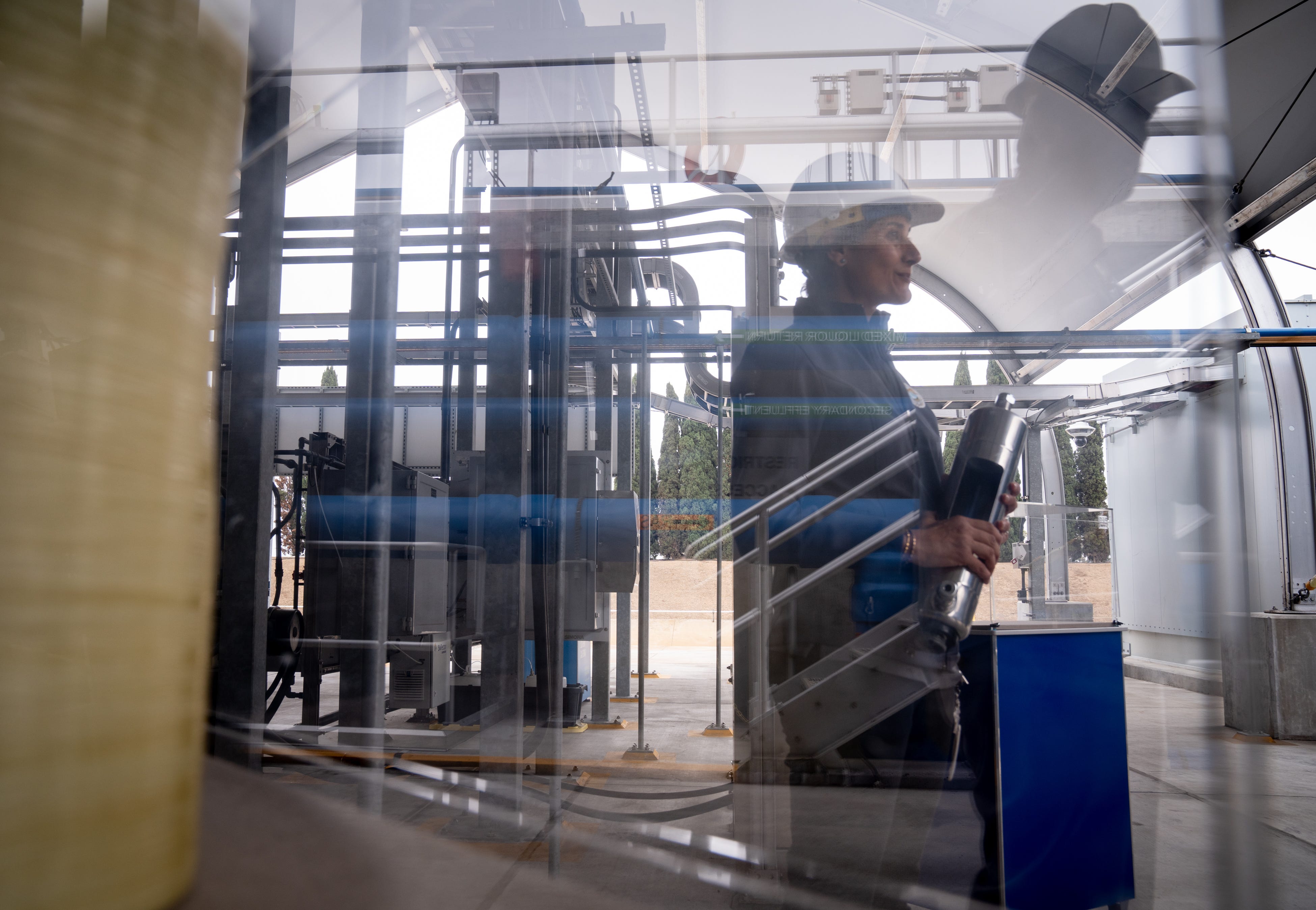
The Epcor project could desalinate the water at the coast near San Felipe and then pipe it to Morelos Dam, Alteneder said. Alternatively, if backers determine that it makes more sense to cleanse the water closer to existing energy sources, it could pipe the seawater partway and then desalinate it. Wherever it might happen, dealing with the resulting high-salinity brine waste would be an issue.
If the WIFA board opts to continue with investigations after this phase of studies, Alteneder said, the next phase would include seeking water agreements before construction.
“That means talking to our potential partners in Mexico, examining environmental concerns, permitting requirements, energy source, all the potential questions that potential (water customers in Arizona) might have,” he said.
Brandon Loomis covers environmental and climate issues for The Arizona Republic and azcentral.com. Reach him at brandon.loomis@arizonarepublic.com.
Environmental coverage on azcentral.com and in The Arizona Republic is supported by a grant from the Nina Mason Pulliam Charitable Trust.
Follow The Republic environmental reporting team at environment.azcentral.com and @azcenvironment on Facebook and Instagram.
This article originally appeared on Arizona Republic: Mexican desalination plant could help Arizona with water. What happens next