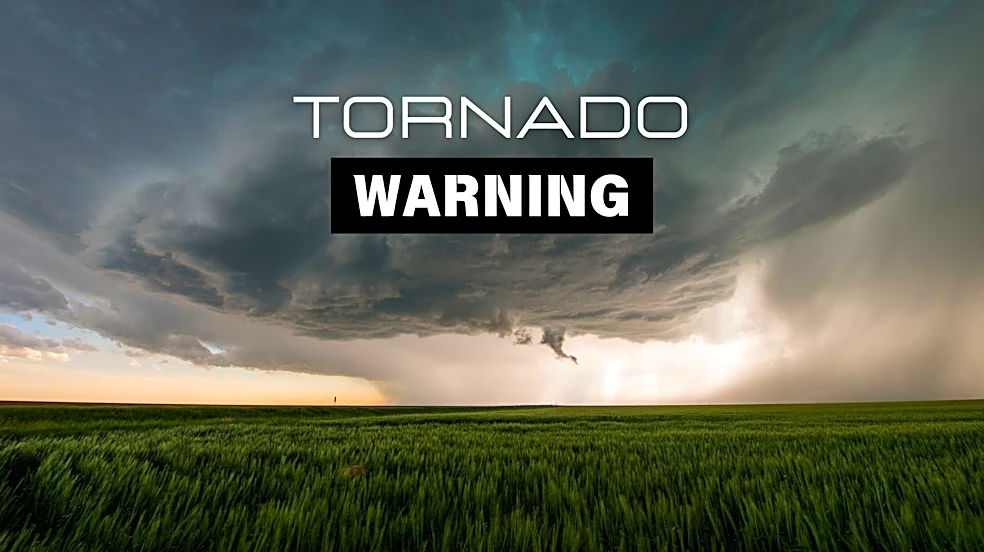





The National Weather Service in Flagstaff has issued a Tornado Warning for, Coconino County in north-central Arizona, Yavapai County in west-central Arizona, Until 6:15 a.m. MST.
At 5:49 a.m. MST, a severe thunderstorm capable of producing a tornado was located near Fort Valley, or 11 miles northwest of Flagstaff, moving northeast at 35 mph.
HAZARD: Tornado and quarter size hail.
SOURCE: Radar indicated rotation.
IMPACT: Flying debris will be dangerous to those caught without shelter. Mobile homes will be damaged or destroyed. Damage to roofs, windows and vehicles will occur. Tree damage is likely. Locations impacted include: Fort Valley, Arizona Snowbowl, Saddle Mountain, Kachina Peaks Wilderness, Lava River Cave and Wing Mountain. This includes
the following highways, U.S. Highway 89 near mile marker 435. Highway 180 between mile markers 227 and 240.
Full forecast: Severe weather expected in Arizona
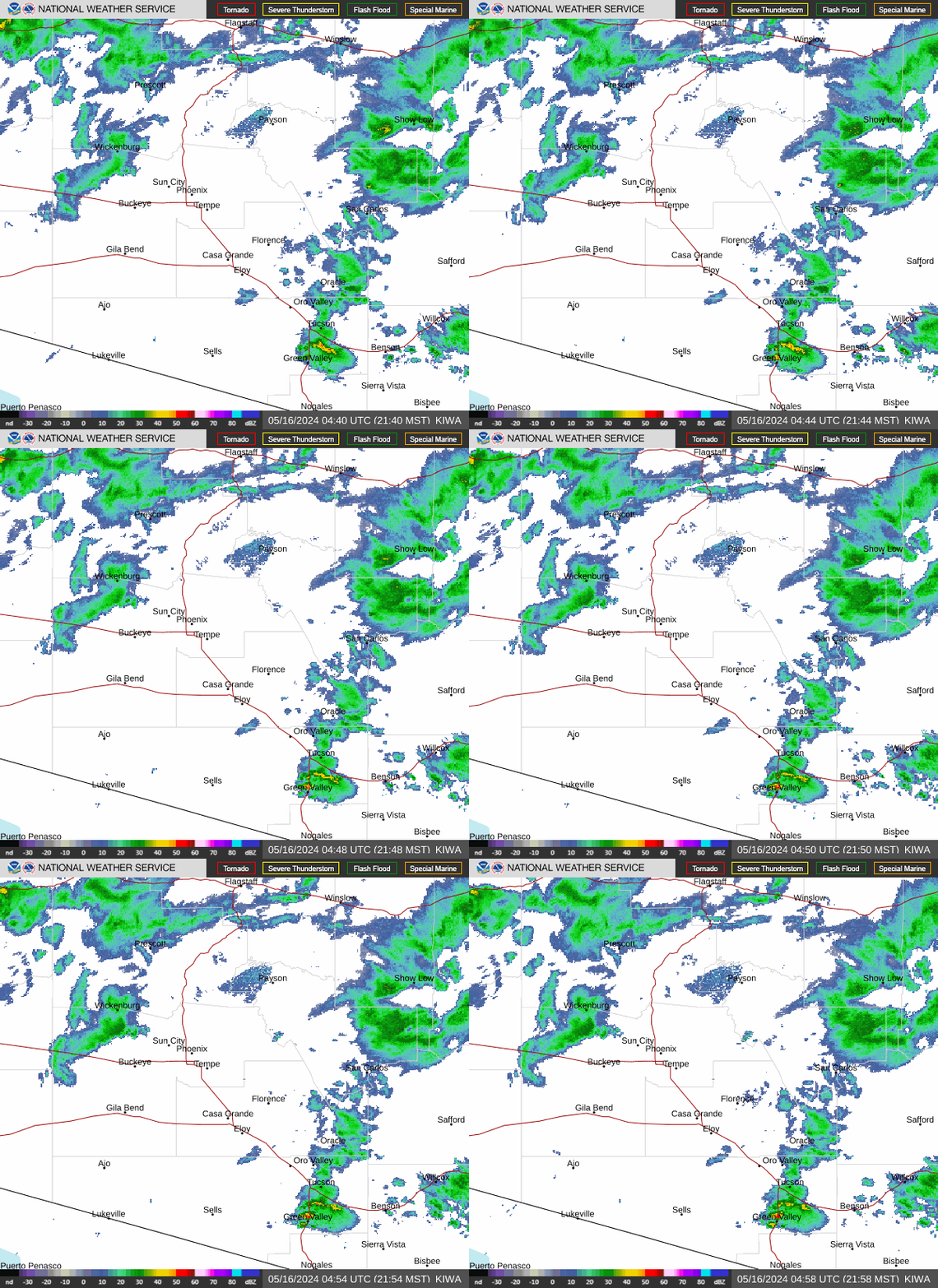
See weather radar for Coconino County
What are weather service meteorologists saying?
At 5:31 a.m. MST, a severe thunderstorm capable of producing a tornado was located 8 miles northeast of Perkinsville, or 20 miles north of Cottonwood, moving northeast at 40 mph.
HAZARD: Tornado and quarter size hail.
SOURCE: Radar indicated rotation.
IMPACT: Flying debris will be dangerous to those caught without shelter. Mobile homes will be damaged or destroyed. Damage to roofs, windows and vehicles will occur. Tree damage is likely. Locations impacted include: J.D. Dam Lake.
Are there tornadoes in Arizona?
While tornadoes are rare in Arizona, they do occur. On average, there are four to six tornadoes in the state every year, but they are usually weak and ie out after a few minutes.
Arizona can experience funnel clouds during thunderstorms in the fall or winter. A funnel cloud is a vortex of rotating air spawning from a cloud but does not reach the ground. If a funnel cloud hits the ground, it is a tornado.
How do you stay safe during a tornado?
During a tornado, the weather service recommends:
- Get as low as possible. A basement below ground level or the lowest floor of a building offers the greatest safety.
- Put as many walls between yourself and the outside as possible.
- Avoid windows.
What should you do if you're driving during a tornado warning?
Tornadoes can be unpredictable, changing paths suddenly and creating strong winds that can easily move or disable a car. Do not try to outrun a tornado if you're driving. If possible, abandon your vehicle and find shelter in a sturdy building. If no shelter is nearby, pull over, get as low as possible and cover your head.
As a last resort, lying flat in a ditch or culvert is safer than staying inside your vehicle. Avoid seeking shelter under an overpass or tunnels, as they can intensify winds and flying debris.
What is the difference between a tornado watch and a tornado warning?
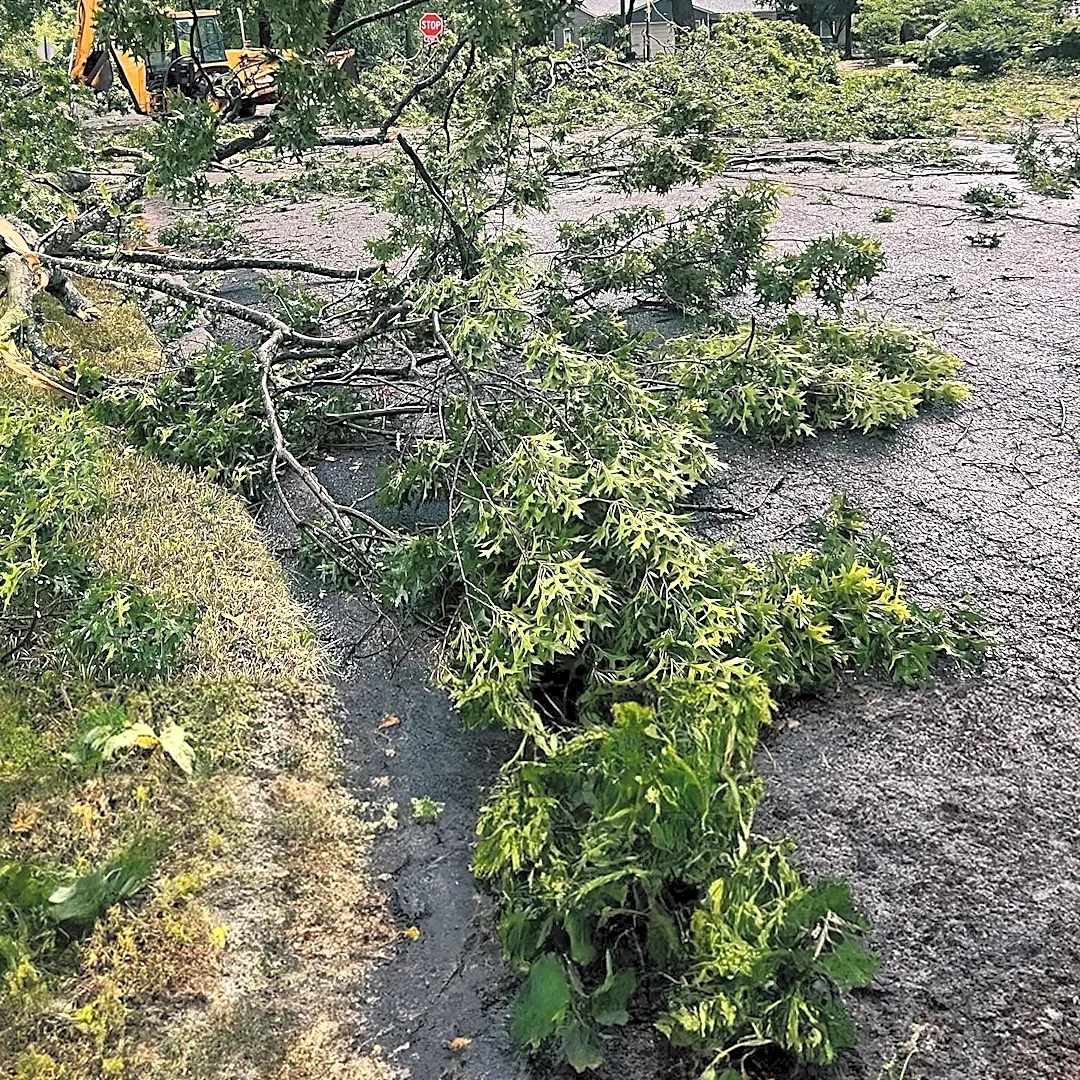
Even small tornadoes can uproot trees, damage homes and scatter debris. Their unpredictability and sudden formation make it critical to act quickly when tornado alerts are issued.
A tornado watch means conditions are favorable for tornadoes to form. Think of it as a "be ready" alert. Storms have the potential to rotate during a watch, so it's important to stay weather-aware and pay attention to alerts.
A tornado warning is more severe, meaning a tornado has been spotted or detected on radar. Take shelter immediately. If you are indoors, move to the lowest floor of a sturdy building and stay away from windows.
This weather report was generated automatically using information from the National Weather Service and a story written and reviewed by an editor.
See the latest weather alerts and forecasts here
This article originally appeared on Arizona Republic: Tornado warning issued for northern Arizona