





The Trump administration can restart a controversial policy of deporting immigrants to other countries not their own while the Supreme Court reviews lower court rulings that forced ICE to halt the policy.
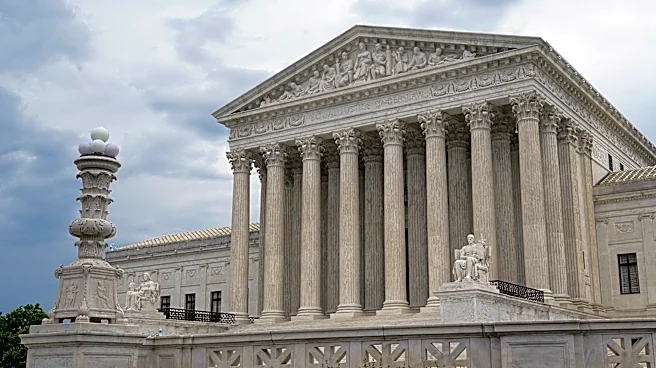
The Supreme Court agreed on Tuesday, Sept. 29, to grant the Trump administration's emergency request for an immediate stay of lower court rulings that the policy is unlawful because it denies immigrants due process to challenge removals to unfamiliar nations.
The lower court rulings had sided with immigrants facing deportation to so-called third countries who filed a lawsuit challenging the legality of the policy.
The Supreme Court's decision was a temporary victory for the Trump administration. It means ICE can restart the policy of deporting
immigrants to third countries instead of their home countries while the Supreme Court reviews the lower courts' rulings.
The Supreme Court gave both sides until December to submit written arguments and prepare for oral arguments. The lower courts' rulings will remain suspended until the Supreme Court issues its final ruling on the legality of the policy.
In a court filing, U.S. Solicitor General D. John Sauer had argued the policy is an "essential tool" for removing immigrants, some of whom have committed serious crimes, in cases where immigrants won limited protections in U.S. immigration courts that prevent ICE from deporting them to their home countries, or in cases where their home countries refuse to accept them.
Sauer had argued the government should be allowed to restart the policy immediately because prolonged delays could compound logistical issues that had already forced the Department of Homeland Security to cancel a flight to three countries with 70 criminal aliens, and to pull nearly 150 immigrants from removal flights to four different countries.
Meanwhile, immigrants who have committed serious crimes, including murder and rape, will be allowed to remain in the U.S. and, due to detention constraints, could be released "to the peril of law-abiding Americans," Sauer wrote.
The policy, however, has drawn criticism from immigrant advocates and some Democrats in Congress who say it puts vulnerable people at risk of harm because the United States is deporting immigrants to countries, mostly in Africa and Latin America, that include some with repressive governments, extreme poverty and track records of human-rights abuses.
U.S. Rep. Adelita Grijalva, D-Ariz., a critic of the policy, posted on X blasting the Supreme Court's decision saying it "just gave the Trump Administration the green light to deport people to third countries where they have no connection and that have documented records of human rights abuses."
The Supreme Court's decision undermines longstanding U.S. and international protections meant to prevent people from being returned to places where they face serious danger, Grijalva wrote.
"Some people have subsequently been sent to their countries of origin, where they face the threat of persecution, torture, and death," Grijalva wrote.
"This cruel and inhumane policy is a black eye on Lady Liberty. We are a nation that promises to welcome the "poor" and "huddled masses" yearning for freedom. Instead, we are sending vulnerable people into harm’s way — and, in some cases, potentially to their deaths," Grijalva wrote. "This is shameful and illegal."
Immigrant advocates argue the Trump administration can't deport immigrants to third countries without notifying them first and giving them a chance to legally challenge their deportation to a third country if they fear they could face harm.
Thousands of immigrants have already been deported to third countries since the Trump administration implemented the policy in 2025, and thousands more are eligible, Sauer wrote.
The Trump administration has made agreements with the governments of more than 30 countries to accept deportees who are from other countries, according to Third Country Deportation Watch, tracker.
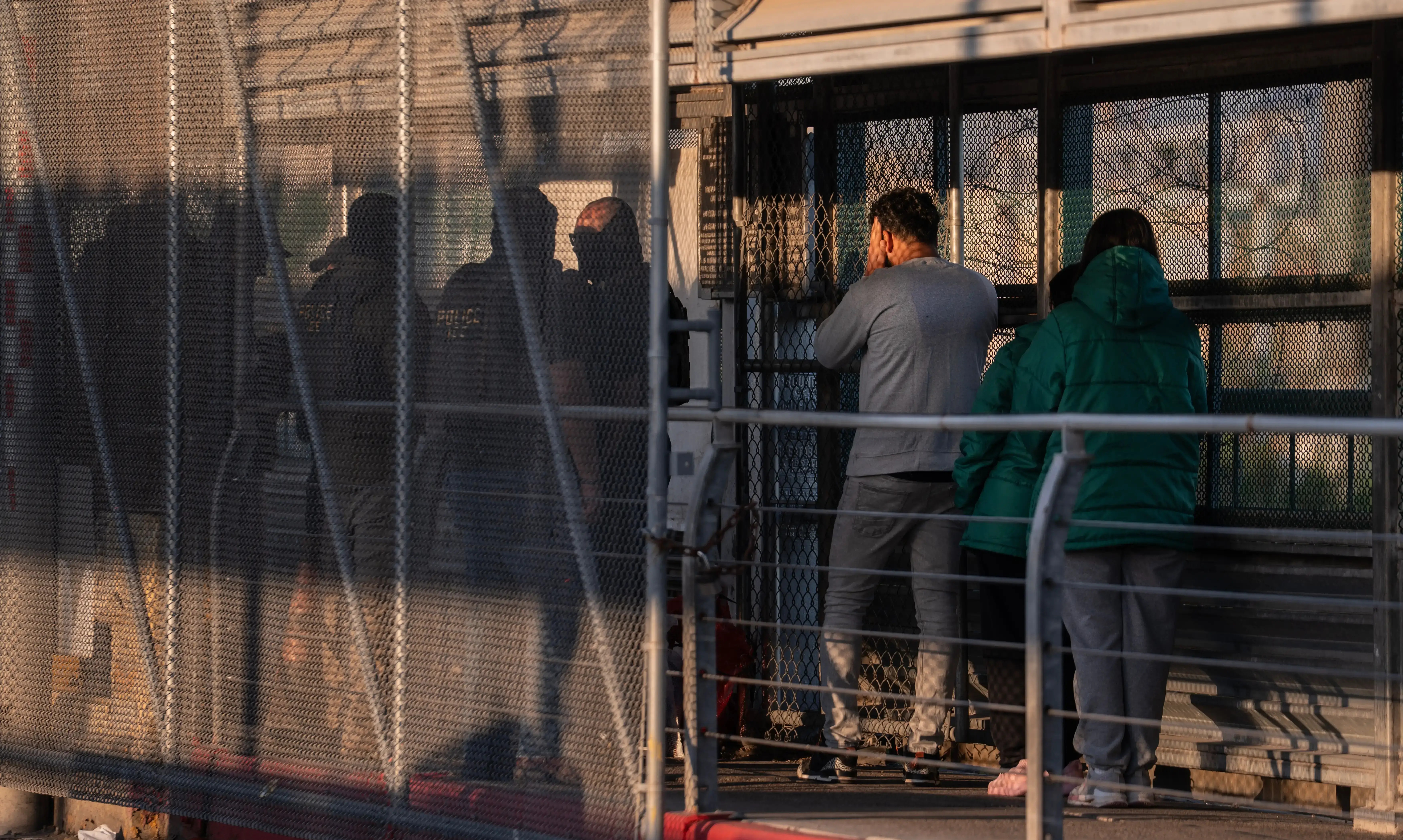
Some of the immigrants being deported to third countries are flown on deportation flights that originate at ICE's Arizona Removal Operations Coordination Center based at the Mesa Gateway Airport east of Phoenix.
This article originally appeared on Arizona Republic: Supreme Court allows ICE to restart deportations to third countries