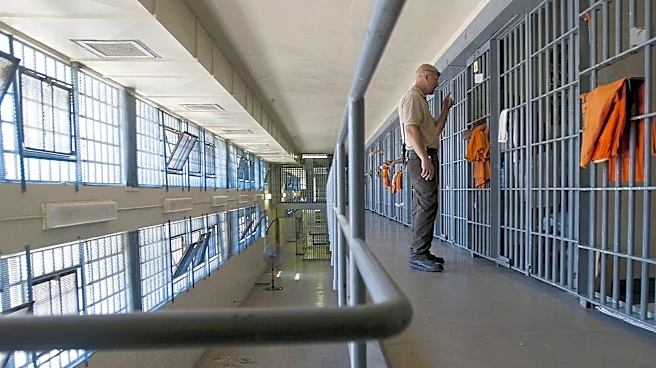










Arizona officials waited until the final day allowed to ask a federal appeals court to stop a court-ordered takeover of the state’s prison health care system.
The state filed an emergency motion Aug. 12 asking the 9th U.S. Circuit Court of Appeals to pause the appointment of Annette Chambers-Smith, the former Ohio prisons director, to the position. As a court-appointed receiver, Chambers-Smith would manage medical and mental health care in Arizona prisons. The state asked the appeals court to rule by Sept. 2.
The filing came exactly seven days after U.S. District Judge Roslyn Silver rejected the state’s first request for a stay. Silver gave Arizona an additional seven days to seek the same relief from the appeals court, making Aug. 12 the deadline.
The filing means the receivership will not begin Aug. 13 as it would have if the state did not file a stay.
Silver’s July 17 appointment order says Chambers-Smith’s appointment becomes effective 21 days after any motion to stay is resolved.
Silver ordered a receiver in February after finding that nearly 14 years of settlements, monitoring, court orders and other attempts had failed to end the constitutional violations.
Why Arizona says the receiver should be put on hold
Arizona argued in its request that Silver moved too fast and did not give the current prison administration enough time to fix the system before turning health care over to a receiver.
The state pointed to more spending, higher staffing, facility upgrades and a new primary-care model it says are signs of progress since 2023. That year, Silver issued a permanent injunction requiring Arizona to fix unconstitutional medical and mental health care in its prisons. The state also argued Silver should have tried narrower steps, such as contempt findings tied to specific violations, before ordering a receivership.
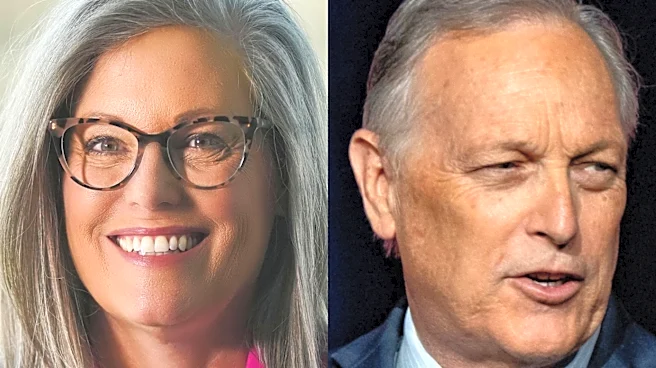
Gov. Katie Hobbs’ office echoed that argument.
“The court is imposing unrealistic demands and timelines that fail to account for the complexity of these challenges or the significant progress that has already been made,” Press Secretary Liliana Soto said in a released statement.
Soto said Hobbs believes Arizona officials, not a federal court, should make decisions about the prison system.
The administration also objects to the cost. Chambers-Smith will earn $500,000 a year, and Soto said the receiver could have what she called “essentially a blank check” to spend taxpayer money.
The state also notes Silver gave the receiver at least five years to do work the Hobbs administration says it had less than three years to accomplish.
Arizona Department of Corrections, Rehabilitation and Reentry Director Ryan Thornell’s office did not respond to requests for comment.
Silver has already rejected many of the state's arguments
Silver heard many of those same points before denying the state’s first request for a stay Aug. 5.
She said it was “simply untrue” that the court ignored the state’s progress. Silver pointed to court monitors, hearings and other attempts to bring ADCRR into compliance before ordering a receiver.
She also found that the state’s concerns about cost and loss of control were outweighed by the continued harm to incarcerated people receiving unconstitutional health care.
Arizona is asking the 9th Circuit to disagree with her.
The state says starting the receivership now could be difficult to undo if it later wins the appeal. Chambers-Smith would control health care staffing, contracts and spending, and Arizona argues the system would struggle with the transitions, first to the receiver and then back to the corrections department.
Silver’s order does make the receiver’s decisions subject to court review, and she must provide financial reports and undergo annual audits.
What happens next with Arizona prison health care?
The 9th Circuit can grant Arizona’s request, deny it or issue temporary relief while judges consider the motion. The state requested a decision by Sept. 2 and also offered to participate in oral arguments if the court wants them.
Separately, Arizona is pursuing appeals in the 9th Circuit of both Silver’s February decision that a receiver was necessary and her July order appointing Chambers-Smith and defining her powers.
The lawsuit began in 2012. After a trial, Silver found in 2022 that Arizona’s prison health care system suffered from widespread constitutional deficiencies, including understaffing and delays in medical and mental health treatment. A permanent injunction followed in 2023.
This article originally appeared on Arizona Republic: Arizona makes last-minute bid to stop prison health care takeover