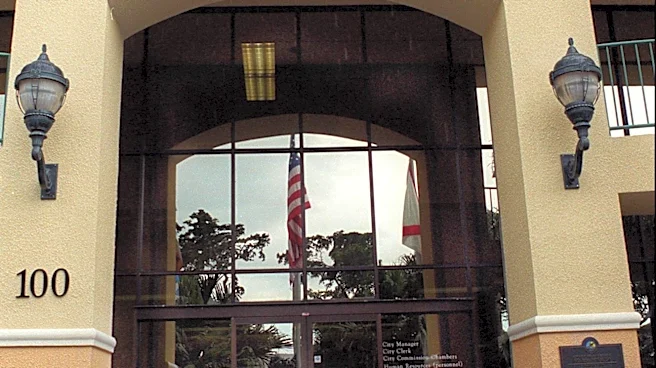





In 2024, Delray Beach blew a $6.2 million hole in its budget plan with a politically attractive property tax rollback. The consequences were immediate and serious. One year later, two of the three officials who supported it reversed course and joined me in restoring a more sustainable rate.
Amendment 3, which will appear on Florida’s November ballot, would sharply expand the homestead exemption and reduce the property-tax base available to cities and counties. It would be far more consequential. Florida's own economists project a $10.2 million loss for Delray in its first full fiscal year, $18.7 million the next and $27.5 million annually by 2031-32. This time, local governments across Florida would face that pressure simultaneously, through
a constitutional amendment that cannot simply be corrected at the next budget meeting. That means enormous pressure on public safety, 911 response, roads, parks, and libraries.
What makes Delray a cautionary tale is not just the arithmetic, it’s the politics. The three commission members who backed the rollback had all just won elections in March 2024. They treated it as an extension of the campaign, a chance to claim a tax-cut victory before figuring out how to govern with less revenue.
Gov. Ron DeSantis is now running the same political playbook with Amendment 3: Tallahassee gets to claim credit for cutting property taxes, while cities and counties—along with renters, business owners, first-time homebuyers and others—are left to absorb the consequences.
I was one of two commissioners who voted no. Our city manager proposed a smaller tax reduction he believed Delray could responsibly absorb. Our police chief, fire leadership, and department directors warned that the full rollback would affect services. Yet, the majority proceeded without a credible roadmap for replacing the revenue.
City Manager Terrence Moore and his staff then did extraordinary work, shifting funding, capturing reimbursements, using vacancy savings and finding other offsets. They kept Delray running, but they could only buy time.
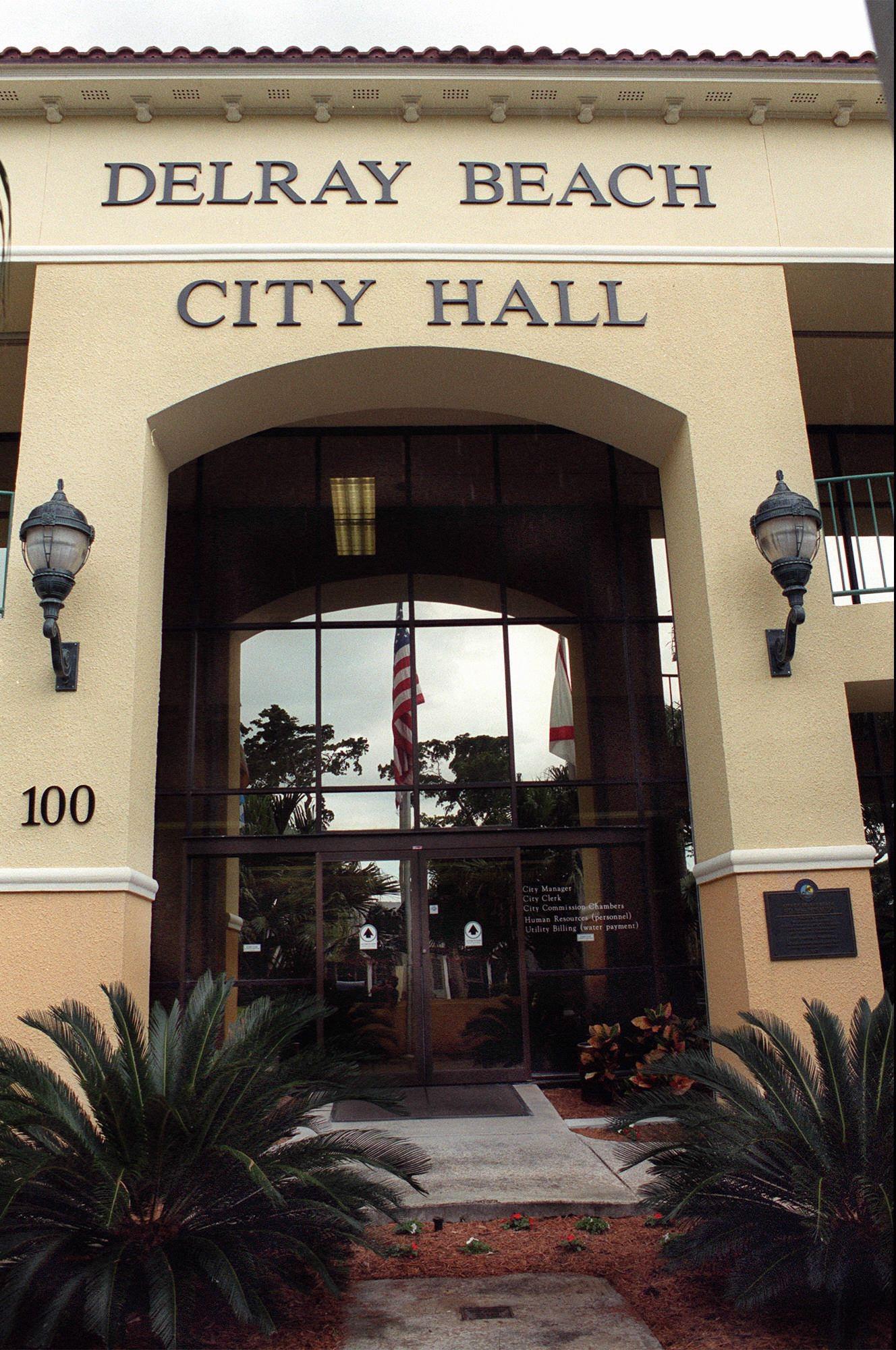
The $6.2 million loss equaled roughly 3.3% of Delray's approximately $187 million General Fund. During the fallout, the police department lost at least 25 officers after bargaining began and specialty units were stripped to maintain patrol staffing. Police Chief Russ Mager resigned amid the contract impasse, after warning that staffing shortages were compromising department operations.
Fire Rescue seriously considered reducing rescue staffing from three firefighter-paramedics to two, a change fire leadership warned could delay emergency response and time-sensitive care, including critical interventions for cardiac-arrest patients. Meanwhile, the city's regular roadway reconstruction program went unfunded for the fiscal year.
Then local democracy worked. The following year, two members of the rollback majority changed their votes and joined me in supporting a higher, sustainable millage rate. Delray righted the ship. That is the lesson: local officials made a bad fiscal decision, saw the consequences, and could fix it one budget cycle later.
Amendment 3 offers no comparable safety valve. Its constitutional text dramatically reduces the local property-tax base but contains no guaranteed recurring source to replace the lost revenue. It limits how remaining property tax dollars may be spent, including on public safety and infrastructure—but that is not the same as funding those services. An earlier version contemplated a state trust fund to replace lost public-safety revenue. That guarantee did not survive in the final measure.
This fight also does not need to be constitutionalized. City and county budgets are debated and adopted in public by officials accountable to local voters. Property owners receive notice, millage rates are adopted at public hearings, and voters can replace officials who spend too much.

If Tallahassee wants more transparency, it should require more transparency. It should not impose one fiscal formula on hundreds of communities with different needs, then blame local officials when the numbers stop working.
Floridians deserve property tax relief. But relief without a plan for the services those taxes fund is not fiscal responsibility. It is a political promise that leaves somebody else with the bill.
Delray learned that lesson the hard way, and fortunately we were able to fix it. Amendment 3 would turn our cautionary tale into a constitutional mandate, and Florida may not get the same chance to undo the damage.
Rob Long is a Democrat, representing the 90th District in the Florida House, which includes Boynton Beach, Briny Breezes, Delray Beach, Golf and Gulf Stream.
This article originally appeared on Palm Beach Post: Delray Beach's cautionary tale an Amendment 3 warning | Opinion