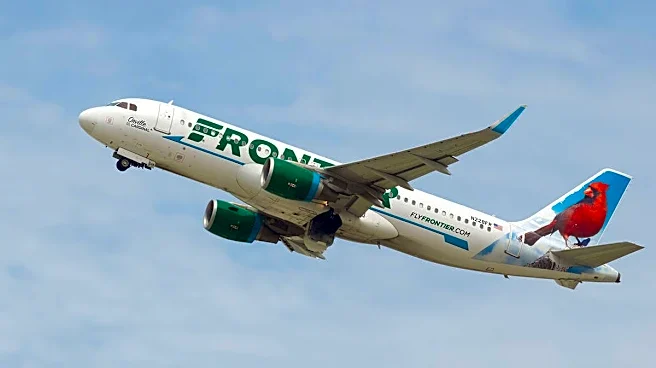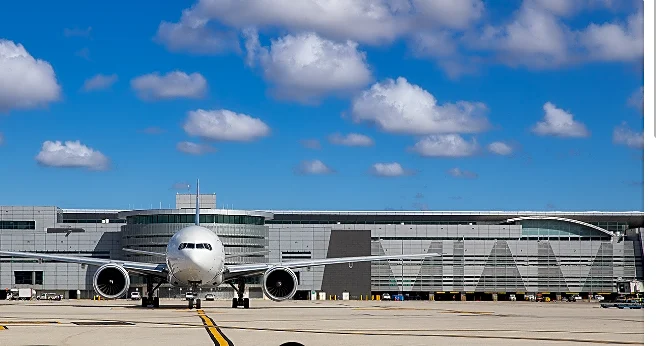





Travelers flying out of South Florida on Labor Day faced roughly a one-in-three chance of a delayed flight. All three major South Florida airports — President Donald J. Trump, Fort Lauderdale-Hollywood and Miami — posted unusually high delay rates that day.
Nationally, only 5% of flights were delayed on Labor Day, a fraction of the delays that occurred in South Florida.
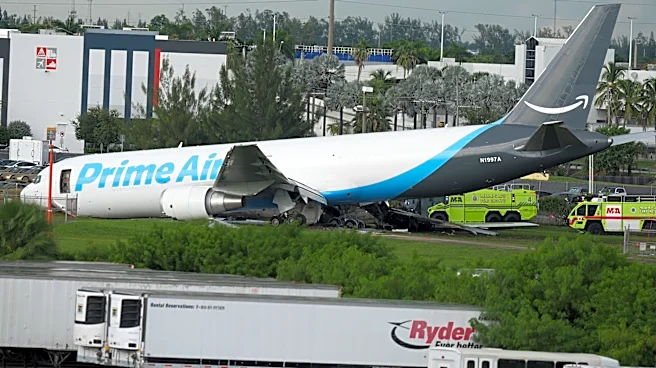
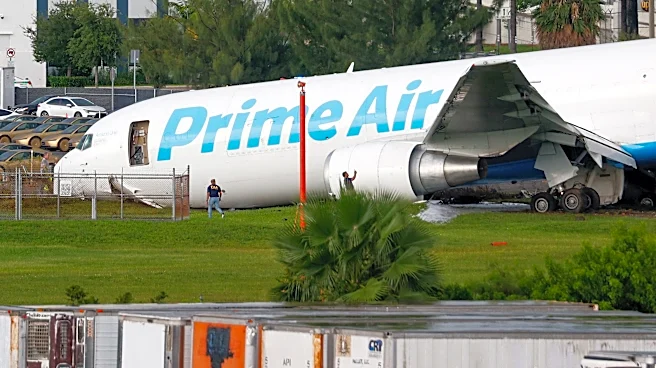
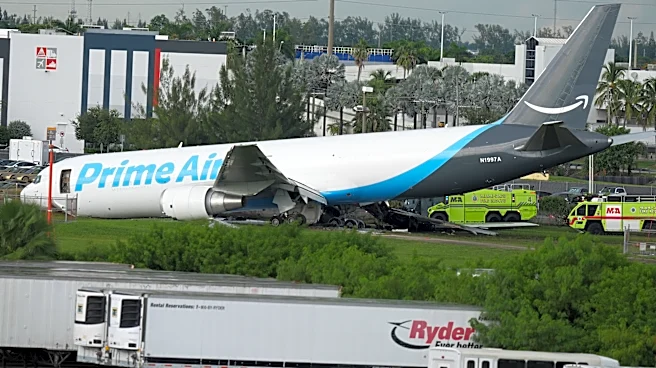
The bulk of the delays at Miami International were linked to runway closures in the aftermath of an Amazon cargo plane crashon Sunday, Sept. 6. Five people were killed and five others injured. On Labor Day, the airport, still recovering from the crash, sustained 181 cancellations and 408 delayed flights.
Days later, the airport disruption caused by the fatal crash had ebbed. As
of noon Sept. 9, the airport reported 97 flight delays but no cancellations, according to the tracker FlightAware, even though one runway remained closed and flight restrictions remained in place owing to the ongoing federal investigation.
But further north, passengers traveling through the region's busiest airports closed out the holiday weekend on Sept. 7 with frustration.
At Fort Lauderdale-Hollywood, 42% of its flights on Labor Day were delayed, and at DJT in West Palm Beach, more than 30% of flights were delayed.
Labor Day flight delays are the norm for FLL and MIA. What about DJT?
Rightway Parking, a company that lets travelers reserve off-airport, cruise-port, and event parking online, analyzed Labor Day delays in previous years at the 45 top U.S. airports.
Rightway Parking’s six-year analysis of U.S. Department of Transportation on-time performance data found that Fort Lauderdale-Hollywood had the second-highest Labor Day delay rate, at 19.4%, while Miami ranked eighth at 18.2%.
Two other Florida airports, Orlando and Tampa, also had exceptionally high rates: 18.8% and 18%, respectively.
The study did not include DJT. But another study released earlier this year by AirAdvisor reported that DJT had nearly 2,800 flights that experienced delays last year, averaging more than two hours. It was the highest recorded delay rate of the 45 airports it surveyed.
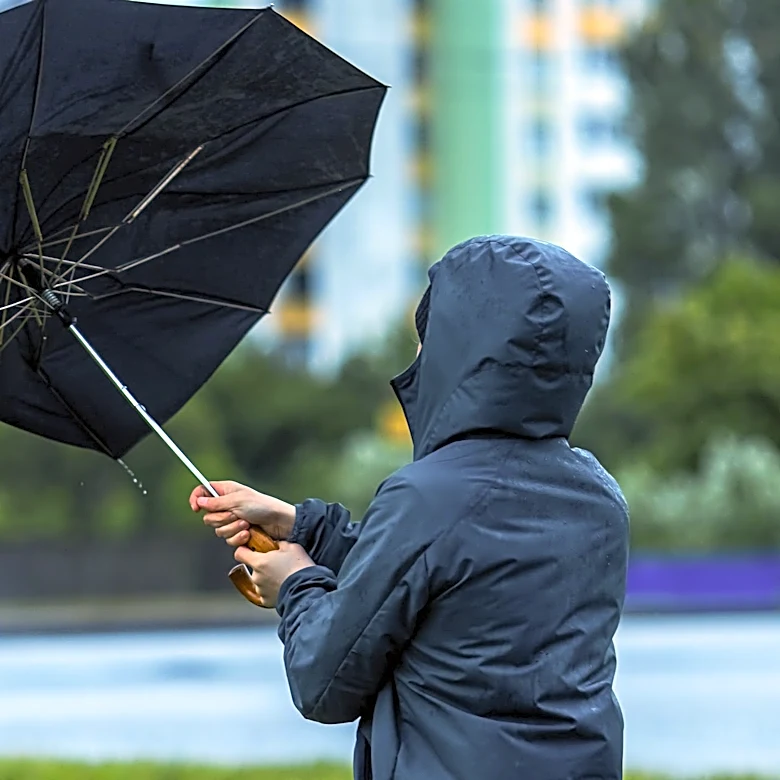
Matt Pfleiderer, CEO of Rightway Parking, said southern Florida has a particularly challenging climate condition for aviation. Summer thunderstorms often disrupt flight arrivals and departures, he noted.
“Thunderstorms need not be on top of the airport in order to affect flight operations since if they hinder the arrival or departure path of the aircraft, then traffic needs to be diverted, delayed, or even stopped and this would result in congestion very fast.
“Indeed, the FAA mentions the occurrence of summer thunderstorms over Fort Lauderdale, which could cause airborne holding or even ground stops. We have seen South Florida advisories over summer thunderstorms this year again.”

In fact, aviation weather reports recorded heavy afternoon thunderstorms throughout the region this past weekend. These conditions can cause airborne holding patterns and temporary gate delays.
Pfleiderer said there is not much the airports can do.
“There is no building their way out of a thunderstorm,” he said.
“The biggest benefits will result from increasing the speed with which they can recover. This entails optimizing flow on the taxiways and gates, lowering runway occupancy times, collaborating more extensively with the airlines and air traffic control for planning when the storm is expected, and having sufficient gate and ground capacity to take the aircraft once the traffic resumes.”
Mike Diamond is a journalist atThe Palm Beach Post, part of the USA TODAY Florida Network. He covers Palm Beach County government. You can reach him at mdiamond@pbpost.com. Help support local journalism. Subscribe today.
This article originally appeared on Palm Beach Post: Amazon crash, storms fuel massive Labor Day flight delays in Florida