




Rosh Hashanah, the Jewish New Year, begins at sundown on Friday, Sept. 11, and lasts for two days. It marks the beginning of the High Holidays, or High Holy Days.
The High Holidays are a time for repentance and reflection and include the festival of Rosh Hashanah and the 10 Days of Repentance. They end with Yom Kippur, or the "Day of Atonement," the holiest day of the year in Judaism. During the day-long fast of Yom Kippur, many practicing Jews reflect on the previous year's sins or wrongdoings, seek forgiveness, and make amends.
Here's what to know about Rosh Hashanah, when Yom Kippur begins, and how the two holidays are observed:
When is Rosh Hashanah 2026? Does Rosh Hashanah end at sundown?
Rosh Hashanah starts at sundown on Friday, Sept. 11, and ends after nightfall on Sunday, Sept. 11. This year, it marks
year 5787 on the Hebrew Calendar.
Shop Rosh Hashanah items at Amazon
What is Rosh Hashanah? Why is it celebrated?
Rosh Hashanah is a two-day holiday that marks the Jewish New Year. It signals the start of the Jewish calendar and commemorates the anniversary of the world's creation as described in the Torah. In simple terms, it is often described as the world's birthday.
The holiday is a time to look back on the past year and consider hopes for the year ahead. Repentance is a central theme, according to Jacob Sheer of Chabad.org.
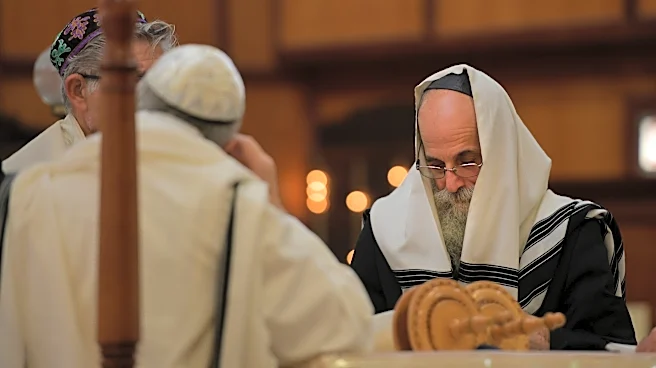
Jewish communities around the world celebrate with prayers, worship services, and songs. "Men, women and children gather at synagogues to pray for a sweet new year for themselves, their communities and all of humanity," Sheer said in an email.
Many congregations also sound the shofar, a curved ram's horn used during both Rosh Hashanah and Yom Kippur. The final shofar blast traditionally marks the conclusion of Yom Kippur. However, because the first day of Rosh Hashanah falls on the Jewish Shabbat this year, the shofar will not be blown, as there is a danger of traveling too far to find someone skilled, something forbidden on that day. The shofar will still sound in the Holy Temple.
Families will traditionally have a festive holiday meal with traditional holiday foods such as apples dipped in honey, round challahs, and new fruits, which represent joy, sweetness and renewal.
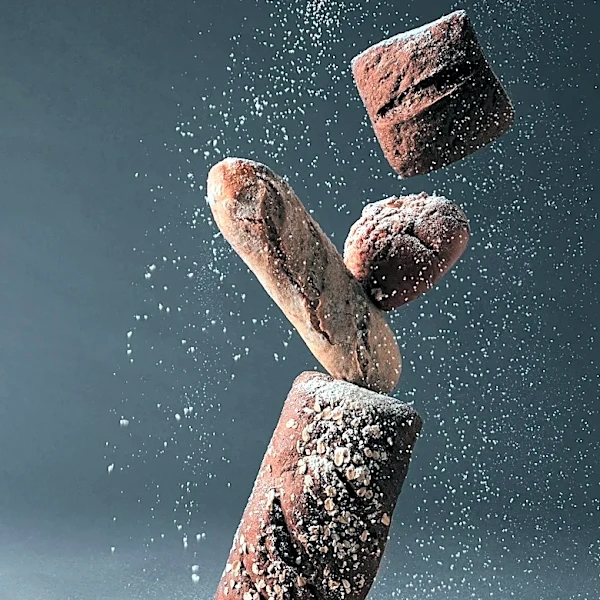
Challah is a special bread typically eaten on Jewish ceremonial occasions and is usually braided. For Rosh Hashanah, challah is rolled into a round shape to symbolize the cycle of the year and the wish for life and blessings without end.
Some people also participate in Tashlich, a ritual held near a body of water. During the ceremony, participants cast pieces of bread or other food into the water to symbolize letting go of sins.
What is forbidden on Rosh Hashanah?
Observances vary across Jewish traditions.
According to myjewishlearning.com, the Torah prohibits work on Rosh Hashanah, as it does on other major Jewish festivals.
"In Orthodox communities, refraining from work on both days of Rosh Hashanah is considered the norm. Among more liberal Jews, some will refrain from work only on the first day," the site says.
Driving also is prohibited in Orthodox Judaism because it is considered a form of kindling fire through a vehicle's internal combustion engine, although driving to attend a synagogue may be permitted. Reform and many other liberal Jews have no objections to driving on Rosh Hashanah," MyJewishLearning says.
Some practicing Jews also avoid certain foods during Rosh Hashanah. According to myjewishlearning.com, those foods may include:
- Sour or bitter foods, to avoid bitterness
- Salt, because it is viewed as the opposite of sweet
- Black or dark foods, which symbolize death in the new year
- Nuts
- Honey. While some Jews eat honey during Rosh Hashanah to ensure a sweet new year, others choose other sweeteners because of the honey's thickness
When is Yom Kippur?
Yom Kippur begins at sundown on Sunday, Sept. 20 and continues through the next day until nightfall.
What is Yom Kippur?
Yom Kippur, or the Day of Atonement, concludes the 10-days period of repentance that starts with Rosh Hashanah.
The day is devoted to reflection and self-examination. Jews consider their actions from the previous year, ask for forgiveness, and look for ways to improve in the new year. It is a day of fasting, and many Jews attend services at synagogues or other congregations, reciting prayers and singing songs.
The day before Yom Kippur, families gather and eat two festive meals. Children are blessed, candles are lit before sundown, and some families share honey cake.
During Yom Kippur, no work may be done "until the stars come out in the evening of the next day," according to Chabad.org. For nearly 26 hours, observant teens and healthy adults abstain from:
- Eating or drinking, except in certain circumstances involving health or recovery
- Wearing leather shoes
- Applying lotions or creams
- Washing or bathing
- Sexual activity
Five distinct prayer services are held throughout Yom Kippur. Rabbis read from a special prayer book known as the machzor.
The day is devoted to introspection, prayer, and seeking forgiveness. Even Jews who do not regularly observe other traditions often recognize Yom Kippur.
Can I say happy Rosh Hashanah? What is the appropriate greeting for Yom Kippur?
A traditional new year's greeting for Rosh Hashanah is "Have a good and sweet new year" (or “Shana Tova U’Metukah”).
Another is “L’shana Tova T’kateiv U’T’chateim,” or “May you be written and sealed for a good year.”
Because Yom Kippur is focused on reflection and repentance, "happy Yom Kippur" is generally not used. More appropriate greetings include:
- "Have a good holy day."
- "Have a good fast"
- "Wishing you a good final sealing."
- "Have a meaningful Yom Kippur."
- "Have a good year."
Common Hebrew greetings include:
- "Shana tova" ("good year")
- "Tizku leshanim rabot" ("may you merit many pleasant and good years")
- "Yom tov" ("good day")
C. A. Bridges is a journalist for the USA TODAY Network-Florida's service journalism Connect team. You can get all of Florida’s best content directly in your inbox each weekday by signing up for the free newsletter, Florida TODAY.
This article originally appeared on Palm Beach Post: Rosh Hashanah, Yom Kippur 2026: Dates, traditions and greetings
Our editors independently choose our recommendations. Some content is produced with paid support from a third party, however our editorial decisions remain independent. If you buy through our links, the USA TODAY Network may earn a commission. Prices and availability may change.