





A vote to end Lake Worth Beach’s ban on most Airbnbs and Vrbos was postponed Tuesday, Aug. 25, over a disagreement about how high their utility rates should be.
City Commissioners were slated to vote that night on lifting the city’s ban on short-term rentals offering stays of less than 30 days. They voted 3-1 to move it to Oct. 6 instead. Commissioners Sarah Malega, Chris McVoy and Mimi May voted for the delay. Commissioner Anthony Segrich voted no. Mayor Betty Resch was absent.
Commissioners directed the city staff to research how legally to charge short-term rentals commercial rates for city-provided electricity and water, rather than the lower residential rates they may pay now. Such a provision would win Malega’s support, she said.
Segrich
voted no after asking for a vote on lifting the ban without charging higher utility rates, but getting no support from his fellow commissioners.
McVoy argued against lifting the ban, although he voted to postpone the vote on it.
The city staff told commissioners in a report that the ban needed to end to bring city code into compliance with Florida state law prohibiting local governments’ short-term rental bans.
But that law does not apply to bans enacted before 2011. City law since before then has banned what it calls “transient public lodging” offering rent for up to 60 days.
McVoy asked City Attorney Elizabeth Lenihan and community sustainability director William Waters, who oversees code enforcement, if state law requires Lake Worth Beach to change its ban. No, they both replied.
“This is a choice that your commission is making,” McVoy said. “There is no obligation to meet any aligning with state law.”
Nearly 200 sites in Lake Worth Beach listed as offering Airbnb, Vrbos stays
Segrich asked Waters if the city has any clause in its code prohibiting short-term rentals of up to 30 days. Waters said no, that the ban comes from several parts of municipal law. The phrase “short-term rental” does not appear in the part of city code commissioners were scheduled to vote on changing.
Opponents have argued the current ban is grandfathered in under state law. Segrich, however, said. “I do disagree with the idea that we have an active grandfather clause. … I seriously doubt our claim will stand up to legal scrutiny or a court case."
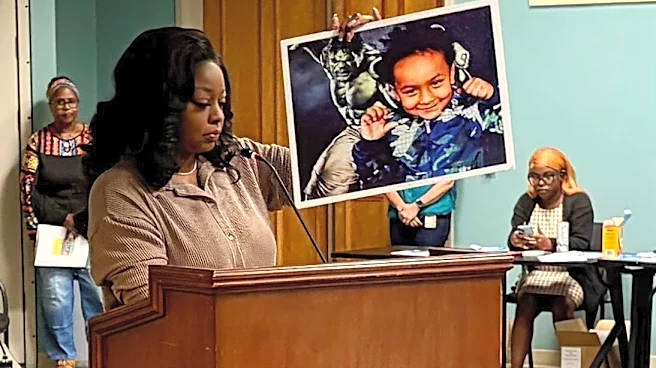
Residents against lifting the ban demanded that Segrich withhold his vote because he owns a short-term rental. He declined and said his short-term rental accounts for less than 1% of them citywide. Elected officials are not required to recuse themselves from votes where there appears to be a conflict of interest, Lenihan said.
Besides exploring the possibility of raising utility rates on Airbnb’s and Vrbos, the city staff will also seek a company to help manage a list of short-term rentals for municipal officials. Such a registry would help the city crack down on illegal short-term rentals.
City officials have debated for years on how to deal with illegal short-term rentals. Despite the laws on the books, Airbnbs and Vrbos operate in Lake Worth Beach.
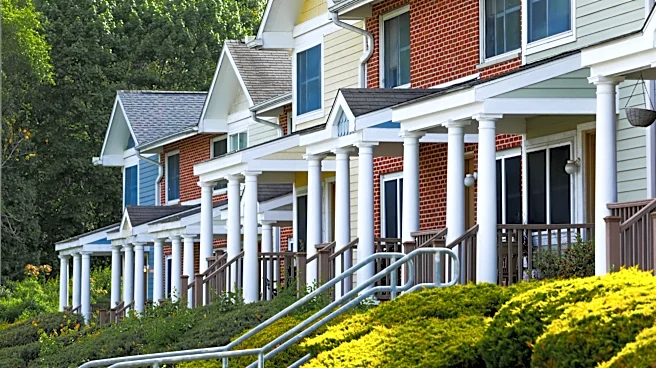
A search on Airbnb revealed nearly 200 houses and apartments offering stays, many of them east of Dixie Highway, near downtown or south of there.
Email Chris Persaud with news tips and article ideas at cpersaud@pbpost.com.
This article originally appeared on Palm Beach Post: Lake Worth Beach considers ending ban on short-term rentals