






The season for cyclosporiasis, a parasitic infection known for causing explosive diarrhea that tends to spike once a year, has technically "ended" in the United States.
Cases are still being reported from the unprecedented nationwide outbreak that has sickened thousands, but the rate of increase has slowed.
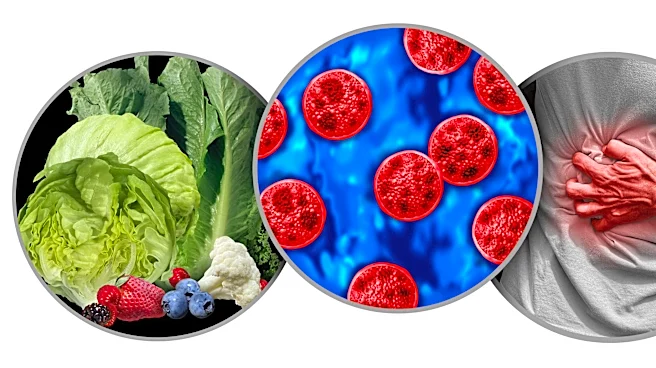
In the United States, cyclosporiasis cases often surge during warm summer months, as infected fecal matter makes its way onto fresh, summery produce such as herbs, berries, and lettuce. The U.S. cyclosporiasis season is technically categorized as May 1 through Aug. 31 by the Centers for Disease Control and Prevention.
However, Florida's "season" lasts much longer, as fresh produce is available here year-round.
The Florida Department of Health
reported 24 more cases in a Sept. 3 update, bringing the 2026 total to 500 cases since the outbreaks began in May and 510 cases since the beginning of the year. Florida averages 246 cyclosporiasis cases annually and recorded more than 500 cases in both 2019 and 2022.
The national outbreak, which has affected 18,445 people as of Aug. 31 and killed two, according to the latest update from the Centers for Disease Control and Prevention, was linked to contaminated lettuce from a Mexican producer and California distributor.
That lettuce is long gone now, but experts say rinsing your produce is still a good idea.
Florida's cyclosporiasis season keeps going
Cyclosporiasis, a parasitic infection that can cause frequent, watery diarrhea and other gastrointestinal symptoms lasting for weeks, comes from eating food or drinking water contaminated with feces.
“We tend to see more cases during the warmer months because this is when fresh produce consumption increases and many of the fruits and vegetables associated with Cyclospora are widely available,” said Dr. Kami Kim, Chief of the Division of Infectious Disease & International Medicine in the USF Health Morsani College of Medicine, on the USF Health site.
Florida has a lot of "warmer" months.
Last year, the state's health department reported 210 cases of cyclosporiasis. The bulk of them were reported in the summer, but eight were reported from January to April, and 33 from September to the end of the year.
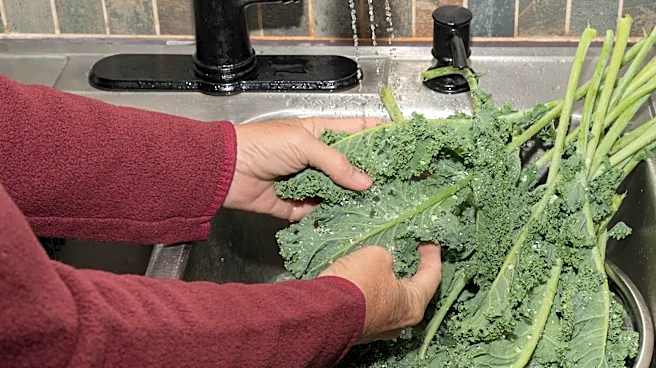
Outbreak or not, Floridians should still practice good food safety habits, Dr. Kim said, including washing produce under running water before eating and refrigerating perishable foods promptly.
Cyclosporiasis cases in Florida
Florida reported 500 probable and confirmed cases between May 1 and Aug. 29. The state has reported 510 cases since the beginning of the year. Cases by county since May 1:
- Alachua County: 5
- Baker County: 1
- Bay County: 37
- Brevard County: 6
- Broward County: 35
- Charlotte County: 4
- Citrus County: 2
- Collier County: 8
- Columbia County: 1
- Duval County: 11
- Escambia County: 5
- Flagler County: 3
- Gadsden County: 1
- Gilchrist County: 1
- Hardee County: 2
- Hernando County: 2
- Highlands County: 2
- Hillsborough County: 19
- Indian River County: 1
- Jackson County: 3
- Lake County: 8
- Lee County: 42
- Leon County: 9
- Manatee County: 13
- Marion County: 5
- Martin County: 2
- Miami-Dade County: 61
- Monroe County: 3
- Nassau County: 2
- Okaloosa County: 9
- Orange County: 34
- Osceola County: 8
- Palm Beach County: 29
- Pasco County: 11
- Pinellas County: 20
- Polk County: 25
- Santa Rosa County: 6
- Sarasota County: 7
- Seminole County: 11
- St. Johns County: 13
- St. Lucie County: 5
- Sumter County: 2
- Volusia County: 14
- Wakulla County: 1
- Walton County: 4
National cyclosporiasis numbers
Since May 1, the CDC has confirmed:
- 18,445 laboratory-confirmed domestic cases of cyclosporiasis
- 990 hospitalizations
- 2 deaths
- Cases reported in 49 states, the District of Columbia and Puerto Rico
CDC numbers include only laboratory-confirmed domestic cases and typically lag by about six weeks, the agency said. The true number is likely higher, as some people recover without medical care and never get tested.
What are the symptoms of cyclosporiasis?
According to the CDC, the most common symptom of cyclosporiasis is persistent, watery diarrhea.
Other symptoms can include loss of appetite, weight loss, cramping, bloating, increased gas, nausea, and fatigue. Some people may also experience vomiting, body aches, headaches, low-grade fever, and other flu-like symptoms, while others may show no symptoms.
Symptoms can develop from two days to more than two weeks after infection. Without treatment, symptoms can last anywhere from several days to several weeks. Anyone with persistent symptoms should contact a health care provider.
Who is most at risk from cyclosporiasis?
Anyone can become infected, but young children, older adults, and anyone with a weakened immune system are most vulnerable to complications.
"Most healthy people recover, but persistent diarrhea can lead to dehydration and significant fatigue,” said Dr. Kim.
How to avoid cyclosporiasis
Fresh fruits and vegetables are still an essential part of a healthy diet, but good food safety habits are essential.
First, stay current with public health advisories so you're aware of any specific issues or contaminated foods in your area.
Fightbac.org offers more tips on avoiding foodborne illnesses:
- Wash your hands with soap and warm water before and after handling food.
- Discard outer layers of fruits and vegetables when possible.
- Rinse produce thoroughly under clean running water. Use a clean vegetable brush to scrub firm produce. (Note that rinsing alone does not completely eliminate Cyclospora)
- Use caution with pre-washed or pre-cut produce
- Cook produce when possible. Cyclospora cannot survive temperatures of at least 158 degrees.
- Avoid cross-contamination by cleaning kitchen surfaces, cutting boards, and utensils.
- Buy your produce from local growers, or grow it yourself.
C. A. Bridges is a journalist for the USA TODAY Network-Florida's service journalism Connect team. You can get all of Florida’s best content directly in your inbox each weekday by signing up for the free newsletter, Florida TODAY.
This article originally appeared on Palm Beach Post: Florida cyclosporiasis cases hit 500 as season, technically, ends