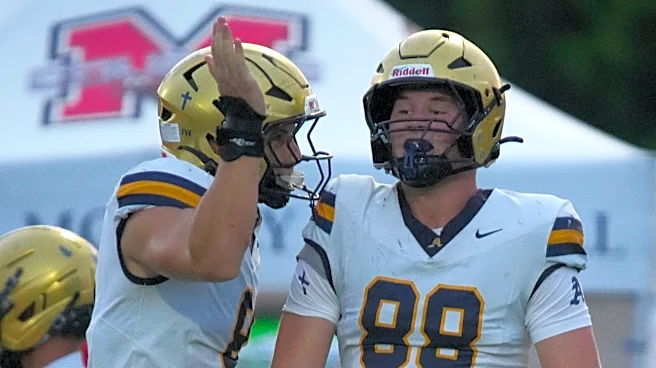








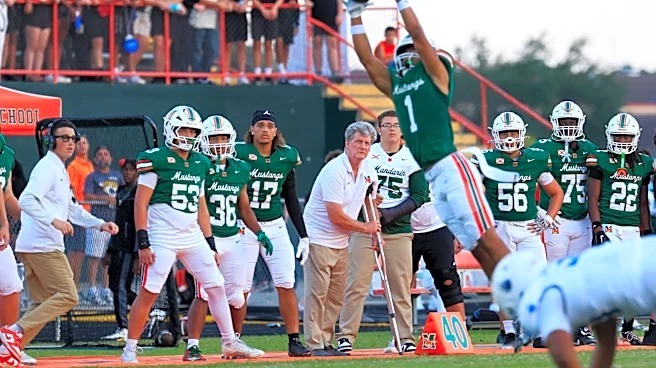

With school back in session and Labor Day right around the corner, the competitive interscholastic/youth sports seasons have either just started or will be starting soon.
In anticipation of this important time for both budding athletes and their parents, the National Athletic Trainers’ Association has put together its annual comprehensive guide to help ensure that everyone enjoys all that organized sports have to offer while keeping as safe as possible.
“It’s critical to have the right protocols in place to ensure young athletes have the best physical and mental health care,” says National Athletic Trainers’ Association President A.J. Duffy.
Here are some of the main points Duffy and his colleagues want parents to educate themselves on if they
haven’t done so already.
Sports medicine team
Find out who will provide care to your child in case of an injury and ask to review their credentials. Duffy believes that any medical decisions should be made by the school’s sports medicine professionals, physicians, and athletic trainers ― and not the coach so as to avoid any conflicts of interest.
Emergency action plan
Every team should have a venue-specific written emergency action plan for managing serious and or potentially life-threatening injuries. It should be reviewed and rehearsed by the athletic trainer and local Emergency Medical Service. Individual assignments, emergency equipment, and supplies need to be included. “If an athletic trainer is not employed by the school, other qualified individuals need to be present to render care,” notes Duffy.

Automated external defibrillators or AEDs
Automated external defibrillators can save lives and stave off a potentially catastrophic situation. Ensure that the sports medicine team and other personnel know where they are located and how to use them. An AED should be readily available within three minutes (preferably one minute) during both practices and games.
Heat recommendations
When it comes to extreme heat conditions ― something we know all about here in South Florida ― practice and game schedules should be reconsidered to avoid participation during peak hours of the day. If an athlete is feeling overheated, it is best to take them out of play and determine the need for ice baths and other cooling considerations to reduce the risk of exertional heat illness, which can include exhaustion, cramping, or other more serious conditions such as heat stroke.

Getting acclimated to hot weather
National Athletic Trainers’ Association recommends that athletes acclimatize to warm weather activities over a seven- to 14-day period. Here’s how they break it down:
- For the first two days in sports requiring protective equipment ― such as football, lacrosse, and field hockey ― only helmets should be permitted.
- During days three to five, only helmets and shoulder pads should be worn.
- Beginning on day six, all equipment can be worn.
In addition, coaches, trainers, and parents should encourage athletes to hydrate continuously, especially when the temperature soars.
Pre-participation physical exam
All athletes should have a pre-participation physical exam with their doctor to determine their readiness to play, as well as uncover any condition that may limit participation. A young athlete’s underlying medical condition can be exacerbated with vigorous, sustained physical activity. Parents should also complete an emergency medical authorization form that asks for parent contact information, the athlete’s medical history, and permission for emergency medical care for that athlete. Parents should check with their children’s school to obtain the forms.
Cardiopulmonary resuscitation (CPR) training
CPR is an emergency lifesaving procedure performed when the heart stops beating. According to the American Heart Association, immediate manual CPR can double or triple a person’s chances of survival after cardiac arrest (which is when the heart stops beating). Student-athletes should also be well-trained on how to do CPR because every second counts.

Overuse injuries
With many young athletes choosing to specialize in a single sport, as well as participating on multiple teams in that sport without appropriate rest and off-seasons, the repetitive motions of that sport can lead to overuse injuries. Parents and athletic trainers should address this issue before it becomes problematic by insisting the athlete take time off from their primary sport, as well as (when appropriate) do cross-training and non-sport-specific conditioning to remain active.
Concussion education
Parents must make it their mission to know that their kids’ school’s medical team is well-educated on concussion identification, diagnosis, and post-injury protocols. Athletes of all ages should be encouraged to speak up if he or she is hit on the head and suffering from any related symptoms, such as dizziness, headache, loss of memory, light headiness, light sensitivity, fatigue, or imbalance.
While, unfortunately, concussions do happen at every level of competitive sports, parents should take some solace in knowing that awareness about traumatic brain injuries has never been higher ― and that there are well-established protocols to follow for athletes who have suffered concussions, and are going through their unique, often non-linear journeys to full recovery.
Steve Dorfman is a journalist for The Palm Beach Post, part of the USA Today Network of Florida. He writes about all aspects of health, fitness and wellness. If you have news tips, please send them to sdorfman@pbpost.com. Help support our local journalism, subscribe today.
This article originally appeared on Palm Beach Post: Winning safety strategies to help young athletes stay healthy