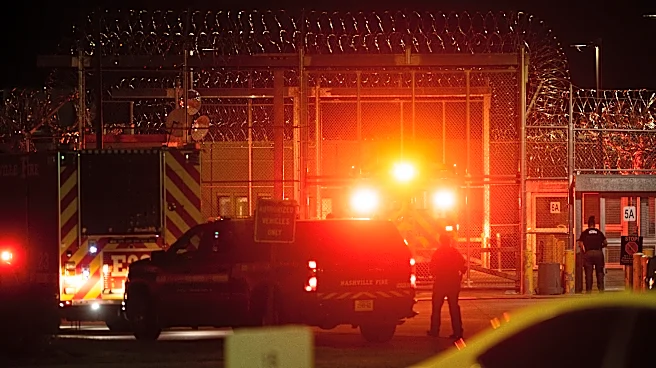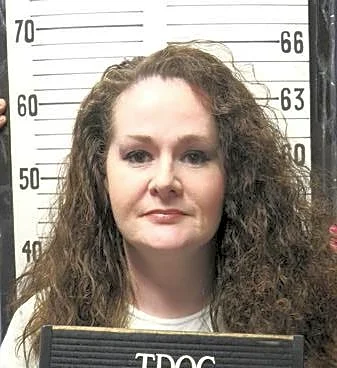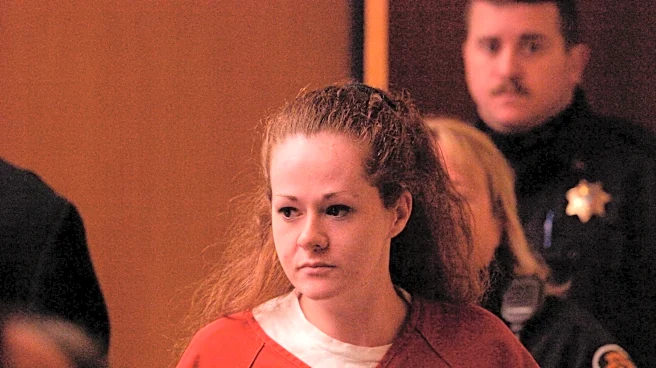





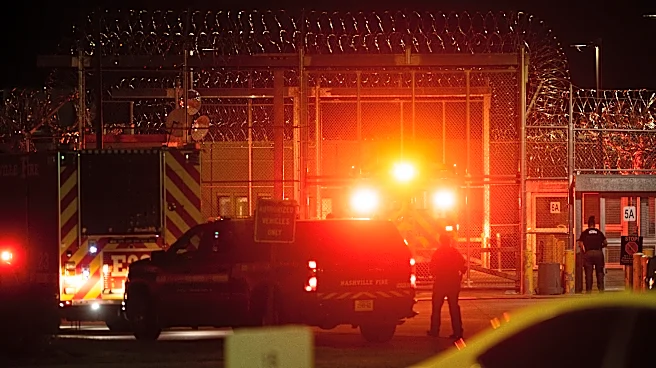
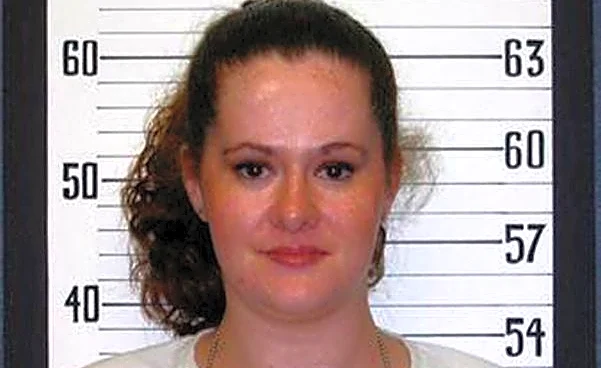
On Sept. 30. the execution of Christa Pike in Tennessee went wrong, just as her attorneys said it could. Attorneys for Florida's condemned inmates have raised the same concerns in multiple appeals, to no avail.
After Pike's death by lethal injection was delayed most of the day by an 11th-hour stay by a federal appeals court that was later overturned by the conservative majority of the U.S. Supreme Court, Pike was administered two lethal doses of pentobarbital. Her attorneys reported hearing her still breathing afterward, and she was rushed off to a hospital.
As of early morning on Oct. 1, her location and condition are not clear.
"Tonight the State of Tennessee once again failed to carry out a lawful execution," her legal team said in a statement.
"We take no pleasure in being right, but the concerns raised by Ms. Pike proved to be true: difficult vein access, blown veins, degraded pentobarbital, no emergency medical care available when things inevitably go wrong, all under a protocol that remains veiled in secrecy."
Pike's botched execution comes months after Tennessee attempted to execute Tony Carruthers, but failed after healthcare workers spent about an hour trying to establish IV access before attempting two "venous cutdowns," which involve inserting a central line in a deeper vein, as Carruthers groaned in pain. Tennessee Gov. Bill Lee repreived Carruthers for one year.
Now Lee has canceled executions in the state for the rest of 2026 while the state's policies are reviewed.
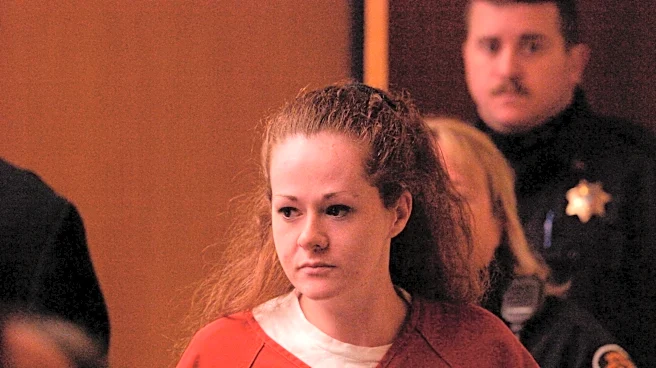
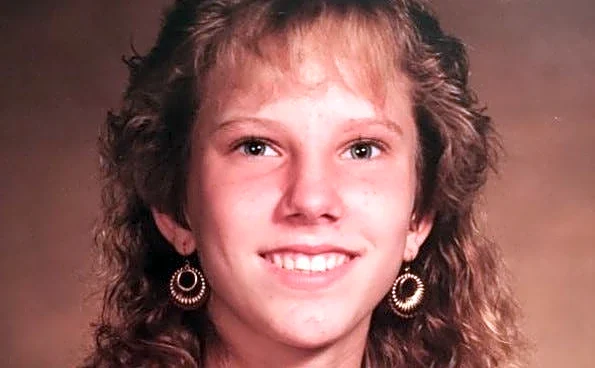
Pike, the only woman on Tennessee's death row, was sentenced to death for the 1995 killing of 19-year-old Colleen Slemmer in Knoxville.
What happened to Christa Pike's execution by lethal injection
Before her execution date, Pike's legal team argued that she suffered from thrombocytosis, a condition that could increase clotting and pain during the execution process, and said she had smaller veins that were difficult to access.
Senior Judge Mark Ward, a special master appointed by the Tennessee Supreme Court, dismissed the claims after hearing expert testimony on Pike's recent medical history and successful blood draws. He concluded that there was not a substantial risk of severe pain during the execution.
After her first injection, WKRN journalist and media witness Tori Gessner, one of the witnesses, said she heard Pike complain of pain: "My arm feels like it's about to burst open." Other witnesses and Pike's attorneys reported hearing her breathing, and then snoring. Witnesses said they were asked to leave while Pike appeared to still be alive.
Florida attorneys warned the same things on execution protocols
In May, attorneys for Richard Knight argued in a Supreme Court appeal that Florida's execution protocols allowed for executioners to cut into inmates without anesthesia if necessary to place IV lines, potentially causing "serious illness and needless suffering."
The appeal was denied. Then, just hours before he was due to die, that exact situation happened to Carruthers in Tennessee. Knight filed for an emergency stay of execution, citing what had just happened, but his appeal was dismissed. He was executed on May 21.
Other appeals for Florida inmates have cited Tennessee's botched execution of Carruthers and questioned Florida's own lethal injection protocol. Attorneys for Dusty Ray Spencer, before he was executed in June, pointed to the 74-year-old man's infirmities and the dangers of pain and suffering.
“Veinous access is a prominent issue in the administration of lethal injection drugs, as was demonstrated in the state of Tennessee,” the appeal said.
Botched lethal injections in Florida
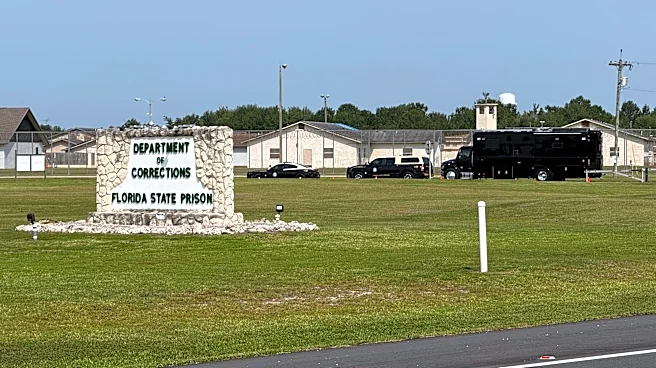
Since Florida adopted lethal injection as a permissible execution method, the state has seen its own botched executions, including two notable ones.
- June 7, 2000, Bennie Demps: While executioners found one vein with no problem, Florida protocol required a second alternative IV drip. Technicians worked for 33 minutes to find a spot, cutting into Demps in multiple spots as he claimed he was being "butchered." "I was bleeding profusely," Demps said in his last words. "This is not an execution, it is murder. I am an innocent man.”
- Dec. 13, 2006, Angel Diaz: Diaz kept moving and trying to talk after the first injection. After the second injection, it took 34 minutes for Diaz to die. An autopsy found the IV catheters in both arms had gone through the veins and out the other side. Then-Gov. Jeb Bush temporarily suspended executions in the state. A judge later acknowledged "irregularities" but ruled his death was "painless and humane.." although Florida made several changes to its lethal injection protocol. In 2014, The New Republic published photos of the discoloration on Diaz' arms, renewing public calls against the death penalty.
What is pentobarbital? Does Florida use it?
Pentobarbital is a barbiturate used to induce unconsciousness, followed by paralysis and cardiac arrest, which leads to death. Tennessee uses a one-drug protocol consisting of sterile saline solution, two of 50 ml of pentobarbital, and another injection of saline. After the injections are administered, there is a five-minute waiting period, and then a doctor checks for a pulse. If the inmate is still alive, a second set of injections is administered.
Florida's lethal injection protocol involves the injection of three drugs into an inmate's IV:
- 200 mg of etomidate, a sedative and general anesthetic
- 1,000 mg of rocuronium bromide, a muscle relaxant and paralyzing agent, administered after the inmate is unconscious
- 480 mEq (milliequivalents) each of potassium acetate, which stops the heart
Florida previously used pentobarbital, but changed to midazolam hydrochloride as a sedative in 2013, and then replaced that with etomidate in 2017.
Etomidate is also controversial. While it kicks in within a minute, the effects only last about 25-30 minutes, depending on the inmate's body weight, according to the National Library of Medicine. If the execution is delayed beyond that point, the effects could wear off, although the state's protocols do allow for a second dose.
The use of a paralytic such as the second drug is banned in Florida for animal euthanasia and critics say it could mask signs of distress from the first drug.
At least eight other states authorize the use of pentobarbital, while others use different drugs or do not specify which ones, according to deathpenaltyinfo.org.
The Tennessee Department of Correction, which handled Pike's failed execution, said it did everything right.
“The Tennessee Department of Correction followed every step of the State’s lawful, established execution protocol approved by the Attorney General’s Office,” said a statement from TDOC spokesperson Dorinda Carter. “The lethal injection chemical in the protocol has consistently been effective, and the protocol does not allow for additional procedures beyond what was carried out this evening. Christa Pike has been transported to an off-site medical facility."
Are Florida's executions humane?
Defense attorneys for the inmates and anti-death-penalty advocates have accused the Florida Department of Corrections of violating the U.S. Constitution by allegedly using expired execution drugs, the wrong drugs, or insufficient amounts, and unnecessarily subjecting the inmates to cruel and unusual punishment during their executions.
In November 2025, attorneys for Frank Walls cited released records of FDOC execution logs of 13 executions between Feb. 13 and Sept. 30 to show "negligent administration of its lethal injection protocol" along with "a wide range of errors," including drug removal records apparently entered the day or even days after the execution occurred.
Attorneys for Dennis Michael Sochor, later executed in July, argued that the initial painkiller did not last long enough to prevent the condemned prisoners from feeling the effects before dying. His appeal referenced released autopsy records for 33 executed Florida inmates that showed each one suffered flash pulmonary edema, which causes a feeling like drowning.
This year, Amnesty International singled out Florida for its "shocking" rate of executions in its annual report on executions worldwide. Florida under Gov. Ron DeSantis put to death 19 people in 2025 and 16 so far this year, with two more already scheduled for October.
C. A. Bridges is a journalist for the USA TODAY Network-Florida's service journalism Connect team. You can get all of Florida’s best content directly in your inbox each weekday by signing up for the free newsletter, Florida TODAY.
This article originally appeared on Palm Beach Post: Christa Pike's execution botched. Why Florida lawyers predicted it