





Anyone up for a lettuce boycott? Cyclosporiasis cases are on the rise in Palm Beach County.
Six people in the county have been infected by the microscopic parasite Cyclospora — which can cause explosive diarrhea — since the start of its latest outbreak on May 1, according to the Florida Department of Health’s July 18 update. Four of those cases were reported in the week leading up to the update.
Starting in May, 158 people reported cases in Florida. There were more than 4,100 confirmed cases across the nation, and more than 7,400 additional cases that were reported but have not yet been confirmed, according to the U.S. Centers for Disease Control and Prevention.
More than 300 people with the infection were hospitalized, but no deaths were reported
in the U.S. since May.
“We tend to see more cases during the warmer months because this is when fresh produce consumption increases and many of the fruits and vegetables associated with Cyclospora are widely available,” wrote Dr. Kami Kim, a professor of medicine at the University of South Florida, in a prepared statement.
“While most people won't become ill, it's important to recognize the symptoms and seek medical care if diarrhea is severe or persists.”
What is Cyclosporiasis?
Cyclosporiasis is an illness caused by the Cyclospora parasite. People can become infected by consuming either contaminated produce or water. It is not typically spread from person to person.
Outbreaks have been connected to a variety of fresh fruits and vegetables. Symptoms can start to show from two days to two weeks or more after exposure, according to the CDC. Past outbreaks in the U.S. have been linked to raspberries, cabbage, basil, cilantro, parsley, broccoli, snow peas, sugar snap peas and leafy greens, according to the U.S. Food and Drug Administration.
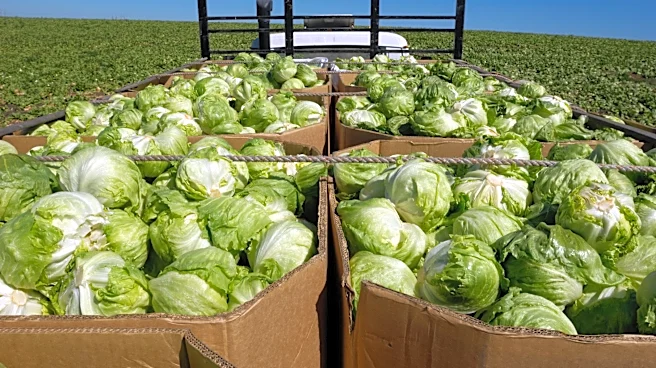
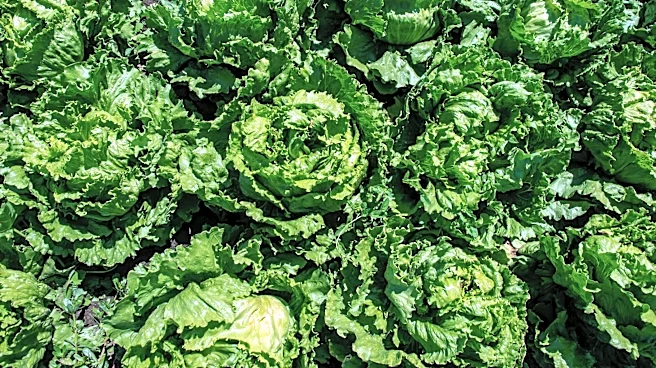
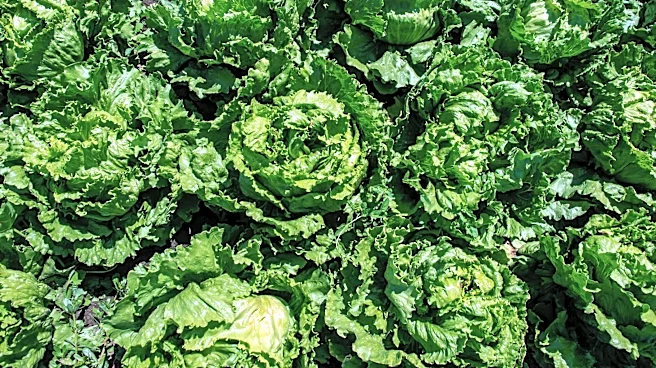
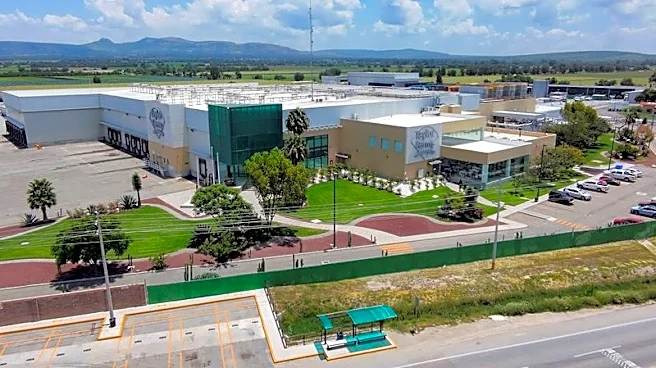
According to investigations by the Food and Drug Administration, the CDC and state health officials, the latest outbreak has been linked to Taylor Farms, which issued a voluntary recall on July 17 of iceberg lettuce products from Taylor Farms de Mexico.
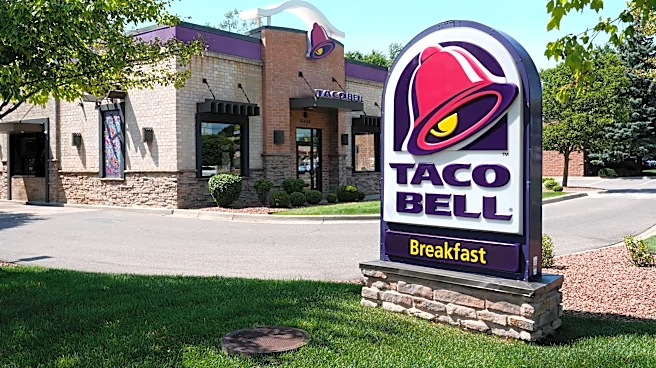
That lettuce was sold to Taco Bell locations in Indiana, Kentucky, Michigan, Ohio and West Virginia, as well as to retail stores, restaurants and food-service customers.
The most common symptoms include watery diarrhea, loss of appetite, weight loss, cramping, bloating, increased gas, nausea and fatigue. Less common symptoms include low-grade fever and vomiting, according to the CDC.
Most healthy people make a full recovery, but children, older adults and people with weakened immune systems are more vulnerable to complications.
How to avoid Cyclospora?
 Taylor Farms." id="91014853007">
Don’t eat food connected with it.
Avoid foods linked to outbreaks and thoroughly wash fruits and vegetables under running water before eating, cutting or cooking it.
The CDC also recommends cooking produce to reach a temperature of at least 158 degrees. Washing alone cannot guarantee the removal of the parasite.
Maya Washburn is a Trending News Reporter for The Palm Beach Post, part of the USA TODAY Florida-Network. Reach her at mwashburn@pbpost.com. Support local journalism: Subscribe today.
This article originally appeared on Palm Beach Post: Cyclospora cases on the rise in Palm Beach County. How to stay safe