




Sometimes when I'm about to go to bed, I do one last flip through the TV channels to make sure I didn't miss anything I may need to know for my job the next day. When I stumble across a show about Pearl Harbor, I always pause.
The grainy black-and-white footage, the young soldiers, and the horrors they faced are too captivating to leave. Even though it was before my time and the time of others in my generation, we easily grasp that our freedom, our way of life in America, were not as guaranteed as we may have thought.
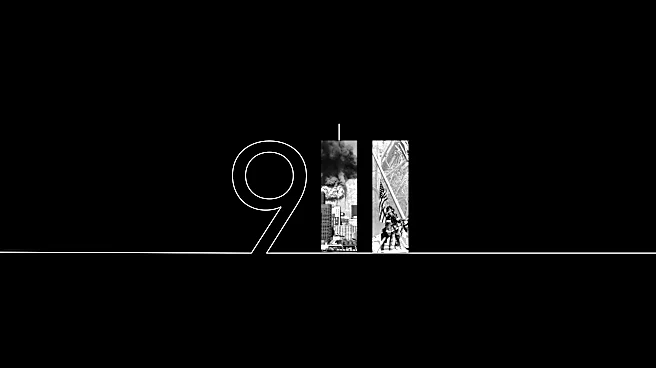
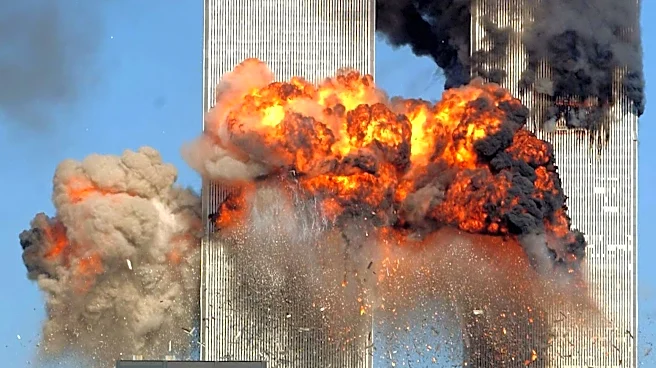
I can only imagine what young people today think when they see footage or read stories about 9/11. Many can't feel what we felt that day when we heard that a second plane had hit the Twin Towers — or the reports of a plane hitting
the Pentagon, or reports of another hijacked plane.
We knew, surely as the people who on Dec. 7, 1941, heard about what happened on the island of Oahu, that life as we knew it could change drastically. It was a scary few hours because no one could grasp or explain the extent of the attack.
Today’s 25-year-olds were born around the time of 9/11. They have no memory of that day, only what they have read, heard or seen on video. To them, and to those younger, 9/11 is simply a part of history. The past.
They most likely know how scary that day was. To live it was different.
It made me think what the American public felt in 1941 when Japan attacked Pearl Harbor, killing 2,403 Americans and injuring 1,178 more. As the United States was pulled into the war, the fear they must have felt about the unknown must have been great.

What did young people think in 1941 after the attack on Pearl Harbor?
Back then, my father, who has since passed, was in eighth grade, preparing to start high school the next year. I know that four years later, immediately after graduating from Commerce High School in Boston, he and a few of his classmates joined the military. (He was in the Navy about to be deployed when the war ended in September 1945.)
I wish I had asked him what he felt the day of the Pearl Harbor attack. I wish I asked him what he talked to his parents about, or his friends, or his classmates during those high school years when the U.S. was at war.
We're so inundated with news nowadays, so plastered with constant information in any and every form, I fear that when life-changing historic events come across screens, young people may dismiss them as something in the past. Things that don't, or shouldn't, affect them.
I try to remind my young daughter that she is one of the luckiest people on Earth; living in a free, rich, great nation, when many other children don't have half the things, or any of the opportunities, she has. Don't take it for granted, I implore, hopefully without scaring her.
As for other young people in the U.S., I hope that they understand history and learn from it.
Pearl Harbor may seem like a lifetime ago for people my age, but I know how terrifying and tragic that day was and how threatened Americans felt as a nation.
Sept. 11, 2001, was just as terrifying and tragic and threatening. Nearly 3,000 people died that day.
It, like Pearl Harbor, should always be a part of history that we never forget.

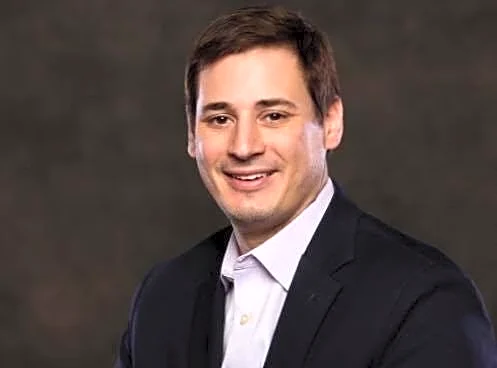
John Bisognano is Executive Editor of The Palm Beach Post. He can be reached at jbisognano@pbpost.com.
This article originally appeared on Palm Beach Post: A lot fades over time. Don't let that happen with 9/11 and Pearl Harbor





