






Budget decisions are never about numbers on a spreadsheet. Behind every number are employees providing essential services, neighborhoods waiting for improvements, businesses depending on an efficient city government, and taxpayers who deserve to know their dollars are being used responsibly.
That is why this year’s budget decision weighed heavily on me.
I know our city is not alone in facing difficult choices. Across local governments, leaders are balancing the complex demands in uncertain financial times: weighting the burden on residents while maintaining services, investing in infrastructure, and protecting the financial stability of their communities.
There are no easy choices when every dollar must be carefully considered.
I entered our final
budget discussions wanting to hold the city’s operating millage rate at its existing level of 6.1611. I heard from residents concerned about the rising cost of living, and I understand those concerns. Although we identified savings that made holding the existing rate appear achievable, our city manager warned that doing so would leave us with a lower fund balance and less financial flexibility.
When it came time to vote, I faced another concern. Because the proposed millage required a supermajority vote, I did not want disagreement among the commission to limit the city’s ability to maintain essential services and meet financial obligations. I voted for the 6.3501 millage rate.
Afterward, I struggled with that decision. I asked myself whether I had done what I believed was best for the people I represent. Then I did what I believe elected officials should do: I asked for more information.

I met with city leaders and asked them to walk me through the process, the numbers, and the consequences of the various options. I learned something vitally important: Maintaining the rate would have reduced the City’s fund balance to 18.9%. The adopted rate allows the city to maintain a 20% fund balance and provides greater financial stability in the coming year.
I also learned about the impact on the Community Redevelopment Agency. Because Delray Beach has a CRA and a tax increment financing district, the city’s millage decision effects CRA revenues. Reducing the millage from 6.3501 to 6.1611 would have meant $840,701 less in annual revenue to the CRA. Those dollars are key funding for infrastructure improvements, such as the Northwest Neighborhood Infrastructure Improvement Project.
Maintaining a stronger revenue stream also becomes important when seeking financing for major infrastructure work, as revenue strength affects the cost of financing. Approximately 53% of our General Fund supports police and fire services. Public safety is expensive, but it is fundamental. We must be able to maintian the level of safety and security our community expects.
We have also recently committed resources to improving Development Services. Improving that department is an investment in the city’s economic health. If projects move through the process efficiently, businesses can open sooner, construction can be completed sooner, properties can enter the tax rolls sooner, and jobs can be created sooner.
There is another number residents deserve to understand. Based on the city’s analysis, the difference between a millage rate of 6.3501 and 6.1611 translates to roughly $24 per month for property owners, although the actual amount depends on an individual property’s taxable value. Twenty-four dollars matters. I will never dismiss that, particularly for residents on fixed incomes.
But, residents deserve to understand the other side of the equation: nearly $841,000 in CRA revenue, infrastructure improvements, the city’s fund balance, public safety, development services, parks, streets, drainage and the employees who make those services possible. As elected officials, we are constantly balancing what residents need today with what our communities will need tomorrow.
After reviewing this information, I can say something I was not prepared to say immediately after the vote: I stand by my decision. Not because I have stopped caring about the burden on our residents. I stand by it because I have a fuller understanding of what the decision protects and what reducing the rate would cost us.

Governments make better decisions when residents are informed, and residents can better evaluate their government when given the full picture. If we say an additional dollar is needed, residents should know why. If changing the millage rate means hundreds of thousands of dollars less for redevelopment and neighborhood infrastructure, residents should know that too.
I have spent most of my life as an educator. I believe people deserve truthful information and the opportunity to ask questions. Our October 21, I will host Burning Conversations, a public meeting on the city’s budget. I want residents to hear the numbers, understand the tradeoffs, ask questions, and learn where their tax dollars go.
Leadership is not about always having the answer. It is about being willing to ask questions, follow the facts, and explaining your decision. That is what accountability looks like, and I stand by my vote.
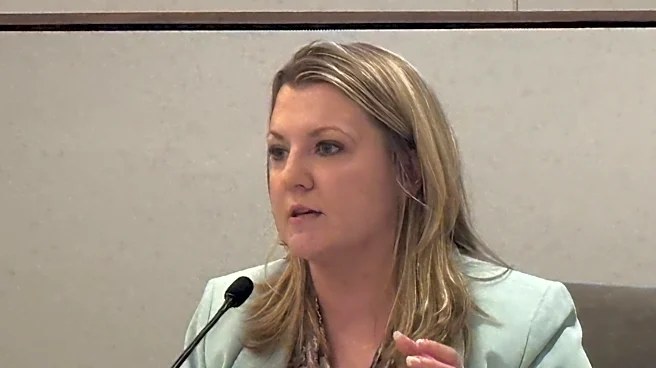
Angela Burns is the vice mayor of Delray Beach.
This article originally appeared on Palm Beach Post: I voted to raise my city's millage rate. Here's why. | Opinion