






Racial issues can be difficult. They remain the inescapable ingredient to understanding our history, our institutions and so many problems that plague our society. It takes courage to confront them openly and honestly.
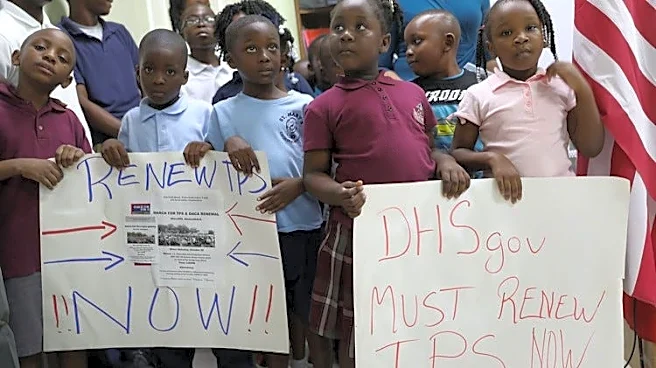
As if we needed a reminder, two incidents in the last month illustrate how racial issues continue to torment and befuddle us. First, there is the case of Molis Augustave, who was deported in late September along with 38 others to Haiti after the U.S. Supreme Court allowed the Trump administration to end Temporary Protected Status (TPS) for refugees from that nation’s economic chaos, gang violence and devastating natural disasters.

Augustave, a church pastor who had been in the U. S. for 10 years and has now been separated from his
wife and children (all U. S. citizens), was deported despite a pending petition for permanent residency filed on his behalf by his wife. He was ensnared in Trump’s mass deportation program. In his campaign for re-election, the president promised to rid the country of immigrant murderers, rapists and other criminals. They were all admitted to the country, he claimed, by the Biden administration’s so-called, but non-existent “open borders” policy.
There is no allegation of criminal activity by Pastor Augustave, and his is not an isolated case. The Cato Institute and The Guardian newspaper analyzed 2025 data from U.S. Citizenship and Immigration Services (ICE) records to find that the vast majority – 73% -- of those taken into custody had no criminal conviction.
Of all the damage inflicted during the second Trump administration, including damage to democratic institutions, perhaps one of the worst is the corrosive loss of trust in government caused by Trump’s habitual lying. The president’s mass deportation program, and even his policies addressing legal immigration, has little to do with public safety and everything to do with forestalling the day when the non-Hispanic white population will drop below 50%, and the nation will become majority minority, as census figures project will happen within two decades. If that motivation were not obvious, take note of the administration’s opening its arms to white South African immigrants.
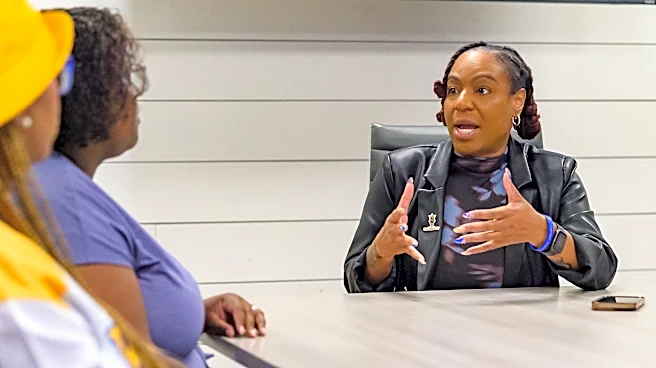
Then there is Gainesville City Commissioner Cynthia Moore Chestnut, a prominent member of the local Black community, former state representative and former president of the Alachua County Democratic Party. In early September, Chestnut, who previously endorsed and raised funds for the Democratic candidate Daivd Jolly, switched to Byron Donalds for governor. Her explanation: “I want to see a Black Governor of Florida in my lifetime….”
Apparently for Chestnut, the race of our next governor is more urgent than striving to achieve Dr. King’s dream of a country in which the content of character is more important than the color of one’s skin. What is also puzzling – and troubling – about her rationale is that, apparently, she believes that the race of a governor is more important than having a governor whose record displays concern for the welfare and interests of Black people.

These two recent events – among many others that could be highlighted – illustrate the troubling history that racial issues have played in our history and how issues of race are pervasive and continue to confront us. They and many similar controversies and policies also illustrate the need for the courage to address issues of race openly and honestly.
Howard L. Simon is the former executive director of the American Civil Liberties Union of Florida.
This article originally appeared on Palm Beach Post: Society needs to address race in Florida | Opinion