





Passage of the constitutional amendment expanding the homestead property tax exemption in November would cost Riviera Beach about $16.3 million per year by 2031, according to an analysis by the Florida Policy Institute.
The city's own analysis, included in its budget documents, estimates property tax revenue losses would be "minimal" in fiscal year 2027 but would grow to $6.9 million in 2028 and then to $9.7 million in 2029.
Riviera Beach has an affluent coastal strip that includes Singer Island, but more than 18% of residents live below the poverty line. And the city is already facing huge outlays for a new water treatment facility, a new police department headquarters, a new fire station, new parks facilities and a new city hall.
The loss of
millions in property tax revenue would "significantly impact the city’s ability to maintain existing programs, services, and operations at current levels."
Amendment 3 would boost the homestead property tax exemption from $50,000 to $150,000 in 2027 and expand it to $250,000 in 2028.
Supporters of Amendment 3, which would go into effect if 60% of voters back it, argue that local government spending has swelled far beyond the cost of inflation and that homeowners need relief.
Florida Chief Financial Officer Blaise Ingoglia has toured the state, highlighting what he describes as huge overspending by city and county governments. He stopped in Palm Beach County in June to claim the county government had spent $443 million unnecessarily.
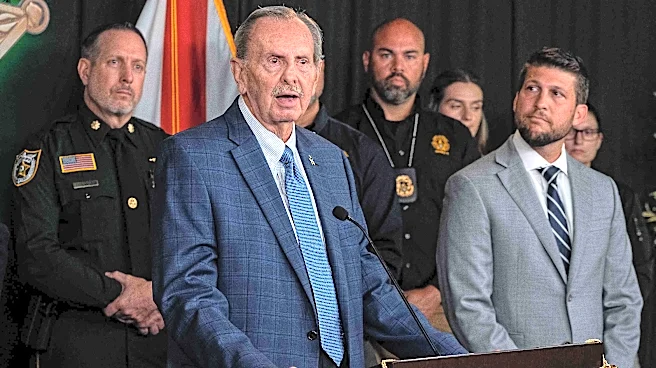
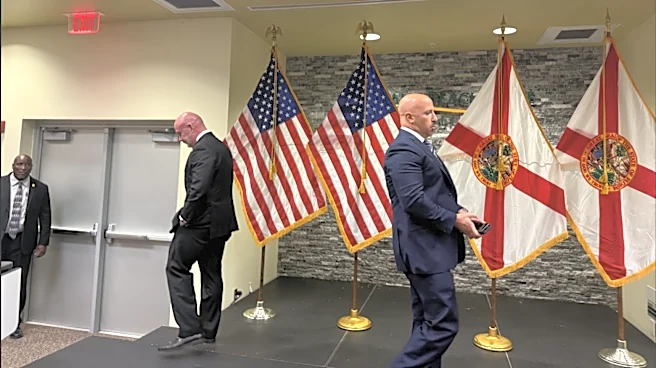
That brought a heated retort from County Administrator Joseph Abruzzo, who crashed Ingoglia's press event to dispute the CFO's numbers and argue that the county is managing a growing demand for services as best as it can.

Local and county government officials can't campaign against Amendment 3, but they are ramping up their "educational" assessments of the impact of its passage.
City says it would need alternative revenue sources
Riviera Beach's budget notes that passage of Amendment 3 "would require the city to identify alternative revenue sources, reduce service levels, or pursue opportunities to consolidate operations with other governmental entities to maintain the funding and delivery of essential services."
That assessment is shared by FPI, a non-profit that says it is "dedicated to advancing policies and budgets that improve the economic mobility and quality of life for all Floridians."

Unlike local government officials, FPI can campaign against Amendment 3, and the group has released a series of policy statements throughout the year noting the impact of passage on funding for disaster response, public hospitals and children services.
Amendment 3 would reduce property taxes for Florida homeowners, FBI notes, but it would not reduce their need for services. And it would lead to potential price increases in other areas.
"Amendment 3 would lead to a cost shift as localities turn to non-homesteaded properties like rental units or commercial properties to raise property taxes," the group notes. "If property taxes increase for commercial properties, all businesses end up paying more, and they would have to decide whether to absorb those costs or shift them onto renters and consumers."
Wayne Washington is a journalist covering education for The Palm Beach Post. You can reach him at wwashington@pbpost.com. Help support our work; subscribe today.
This article originally appeared on Palm Beach Post: Could Amendment 3 cost millions, force service cuts in Riviera Beach?