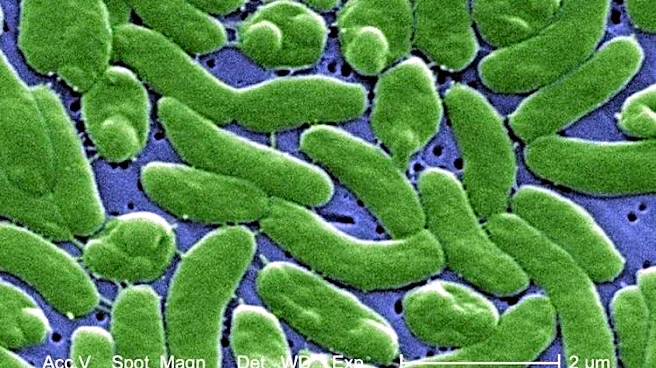








No new cases of Vibrio vulnificus have been reported in Palm Beach County, where official health data remains unchanged as two total cases, including Florida's sole death linked to the so-called "flesh-eating bacteria" this year.
The identity of the deceased resident, an individual between 80 and 84 years old, and details on how they contracted the infection have not been publicly released by state health officials.
Statewide, Florida Department of Health (FDOH) tracking lists 11 cases of Vibrio vulnificus across eight counties. By comparison, Florida logged 33 total cases and five deaths from the infection in 2025.
What is Vibrio vulnificus?
Vibrio vulnificus is a naturally occurring bacterium found in brackish water where fresh and salt water mix, usually in bays, estuaries,
and along much of Florida’s coastline. It's most commonly acquired by eating raw or undercooked shellfish, especially oysters, that were harvested in those waters, or by touching warm coastal or brackish water with an open wound, cut, or scrape.
It's been called the “flesh‑eating bacteria” because, in severe cases, it can destroy human tissue so quickly that immediate and drastic medical care may be needed to save limbs and lives.
At what time of year do Vibrio vulnificus infections tend to increase?
Vibrio vulnificus infections tend to increase during Florida's peak beach and boating season between June and September, when more people are in the water or eating seafood, and after a tropical storm or hurricane, when storm surge washes seawater into freshwater areas.
Infections are very rare, but they can turn horrific within hours and require immediate surgery or even amputation to save the victim's life. About one in every five victims die from it, according to the Centers for Disease Control and Prevention (CDC).
Who is most at risk of 'flesh-eating bacteria'?
Anyone can get a Vibrio infection, health officials said, but few healthy people who come into contact with Vibrio bacteria become seriously ill.
For some groups, even a minor exposure can lead to an abrupt medical emergency, amputated limbs, or death. Those at higher risk include:
- People with liver disease, cancer, diabetes, HIV, or thalassemia
- People receiving immunosuppressant therapy for the treatment of disease
- People taking medicine to decrease stomach acid levels
- People who have had recent stomach surgery
- Older adults with multiple underlying health issues
For these groups, doctors often recommend taking extra precautions around raw seafood and coastal waters during the warmest months. That can mean skipping raw oysters altogether and staying out of the water if they have any open cuts, scrapes, or recent surgical wounds.
What are the symptoms of Vibrio vulnificus?
According to the Centers for Disease Control and Prevention (CDC), common symptoms of Vibrio infection may include:
- Watery diarrhea: often accompanied by stomach cramping, nausea, vomiting, and fever
- Bloodstream infection: fever, chills, dangerously low blood pressure, and blistering skin lesions
- Wound infection: which may spread to the rest of the body: fever, redness, pain, swelling, warmth, discoloration, and discharge (leaking fluids)
If you experience these symptoms after eating raw seafood or being exposed to floodwaters, seek medical attention immediately. Healthcare professionals can treat the infection with antibiotics, but in extreme cases, arms and legs may need to be amputated to remove dead or infected tissue.
Emmy Bailey is a journalist at The Palm Beach Post, part of the USA TODAY Florida Network. Help support our journalism. Subscribe today.
This article originally appeared on Palm Beach Post: Palm Beach County 'flesh-eating bacteria' total holds steady