

Yes, COVID is still around and as of Oct. 13, has sickenedalmost 80,000 people in Florida and killed almost 500 in 2026, according to the Florida Department of Health.
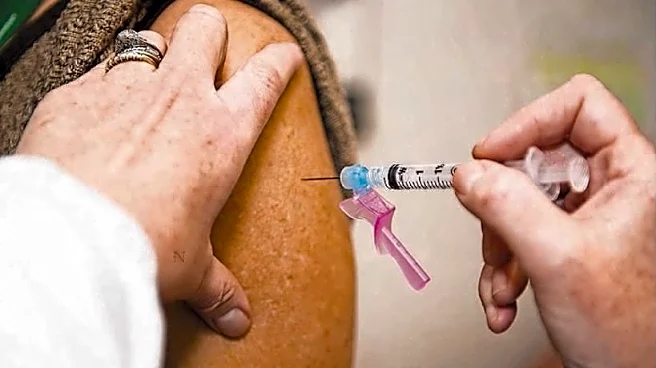
More than 500,000 in Florida have been vaccinated this year, far below the 15 million vaccinated in 2021 or even the 5.5 million vaccinated in 2022. Vaccination rates have been steadily declining since 2021.
Here's what you should know and tips to prevent getting sick this year.
Disposable masks available at Amazon
How bad is COVID-19 in Florida in 2026?
Data provided by the Florida Department of Health as of Oct. 13 reports the following for 2026:
- Total cases: 79,438
- Deaths: 470
- Vaccinations: 573,097
Top 10 Florida counties reporting COVID in 2026
The counties reporting the highest numbers of COVID as of Oct. 13 are:
- Miami-Dade: 10,729
- Broward: 6,602
- Hillsborough: 5,226
- Orange: 5,022
- Polk: 4,570
- Palm Beach: 4,463
- Duval: 4,368
- Lee: 3,639
- Pinellas: 3,521
- Pasco: 2,538
Florida counties reporting most COVID-19 deaths in 2026
According to the Florida Department of Health, counties reporting the highest numbers of "COVID-19 surveillance
deaths" in 2026 as of Oct. 13 are:
- Miami-Dade: 44
- Palm Beach: 35
- Broward: 34
- Polk: 27
- Orange: 24
- Duval: 18
- Hillsborough: 18
- Marion: 18
- Pinellas: 16
- Lake: 15
- Lee: 15
How do you catch COVID?
COVID is "primarily transmitted from person to person through droplets made when infected people cough, sneeze, or talk," according to the Florida Department of Health.
"Less often, a person might become infected with COVID-19 by touching a surface or object contaminated with COVID-19 virus and then touching their own mouth, eyes, or nose.
What are symptoms of COVID-19?
People with COVID-19 have had a wide range of symptoms reported, ranging from mild to severe. Common COVID-19 symptoms include:
- Fever or chills
- Cough
- Shortness of breath or difficulty breathing
- Fatigue
- Muscle or body aches
- Headache
- New loss of taste or smell
- Sore throat
- Congestion or runny nose
- Nausea or vomiting
- Diarrhea
When do COVID symptoms appear?
Symptomsmay appear two to 14 days after exposure to the virus.
Should I get a COVID-19 vaccination?
Whether you should get a COVID-19 vaccination depends on who you ask.
FDOH's latest guidance on COVID boosters was posted on its website Sept. 12, 2024, and said "the federal government has failed to provide sufficient data to support the safety and efficacy of COVID-19 boosters, or acknowledge previously demonstrated safety concerns associated with COVID-19 vaccines and boosters."
Those concerns included:
- prolonged circulation of mRNA and spike protein in some vaccine recipients,
- increased risk of lower respiratory tract infections, and
- increased risk of autoimmune disease after vaccination.
The Centers for Disease Control sent a letter to Florida Surgeon General Joseph Ladapo, saying, "The claim that the increase of VAERS reports of life-threatening conditions reported from Florida and elsewhere represents an increase of risk caused by the COVID-19 vaccines is incorrect, misleading and could be harmful to the American public."
The CDC recommends staying up to date on COVID-19 vaccinations, saying, "Although vaccinated people sometimes get infected with the virus that causes COVID-19, staying up to date on COVID-19 vaccines significantly lowers the risk of getting very sick, being hospitalized, or dying from COVID-19."
How can you prevent catching COVID?
To protect yourself and others from respiratory illness, the Florida Department of Health offered five tips:
- Wash your hands frequently with soap and water, or use an alcohol-based hand rub
- Avoid close contact with sick individuals, including handshakes and touching
- Clean and disinfect frequently touched surfaces
- Stay home when you are sick, and ensure sick children stay home as well
- Cover your mouth and nose when sneezing or coughing. If you don’t have a tissue, use your upper sleeve or elbow, not your hands
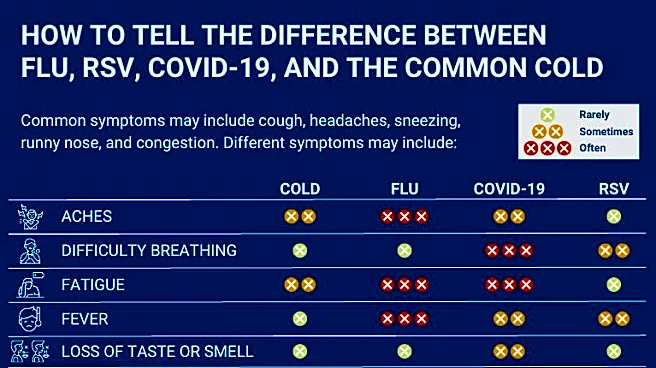
Is it flu, COVID or RSV? How to tell the difference

All three virusesshare common signs,according to the National Foundation for Infectious Disease:
- Fever or chills (though not always present in RSV, especially in very young infants or older adults)
- Cough
- Shortness of breath or difficulty breathing
- Fatigue (tiredness)
- Sore throat
- Runny or stuffy nose
- Muscle aches or body pains
- Headaches
How they're different:
- COVID-19
- Unique or distinct signs: Loss of taste or smell can happen (though less common with recent variants than earlier ones). It is also uniquely associated with a risk of blood clotting issues and Long COVID.
- Timing: Symptoms typically appear two to five days after exposure.
- Contagiousness: Generally spreads more easily and has a longer average contagious window than the flu.
- Treatment: Antiviral medications (like Paxlovid) work best when started early, typically within five to seven days of symptom onset.
- Influenza (Flu)
- Unique or distinct signs: Onset is often very abrupt and dramatic ("hit by a truck" feeling), featuring high fever, severe body aches, and chills hitting all at once. Secondary bacterial infections (like ear or sinus infections, or bacterial pneumonia) are more common with the flu.
- Timing: Symptoms typically appear one to four days after exposure.
- Treatment: Antiviral drugs (like Tamiflu) are most effective when taken very early, ideally within 48 hours of symptoms starting.
- RSV (Respiratory Syncytial Virus)
- Unique or distinct signs: Often mimics a heavy common cold in older children and adults, but can cause severe bronchiolitis (inflammation of small airways) or pneumonia in very young infants, older adults, and immunocompromised people. In babies, signs may include wheezing, fast breathing, belly-breathing (retractions), or extreme irritability and poor feeding.
- Timing: Usually starts with gradual cold-like symptoms.
- Treatment: Most cases rely on supportive care (hydration, fever management, and monitoring breathing), though immunizations and preventive monoclonal antibodies are available for high-risk groups (infants and older adults)
Who is most at risk from respiratory viruses?
People most likely to get very sick from respiratory viruses include:
- Pregnant women
- Infants and young children
- Older adults
- People who have another health problem including:
- Asthma
- Diabetes
- Chronic heart, kidney, or lung disease
- A weakened immune system from HIV, cancer, or organ transplantation
Cheryl McCloud is a journalist for the USA TODAY Network-Florida's service journalism Connect team. You can get all of Florida’s best content directly in your inbox each weekday day by signing up for the free newsletter, Florida TODAY, at https://floridatoday.com/newsletters.
This article originally appeared on Palm Beach Post: COVID cases in Florida in 2026 close to 80,000 as death count nears 500
Our editors independently choose our recommendations. Some content is produced with paid support from a third party, however our editorial decisions remain independent. If you buy through our links, the USA TODAY Network may earn a commission. Prices and availability may change.