

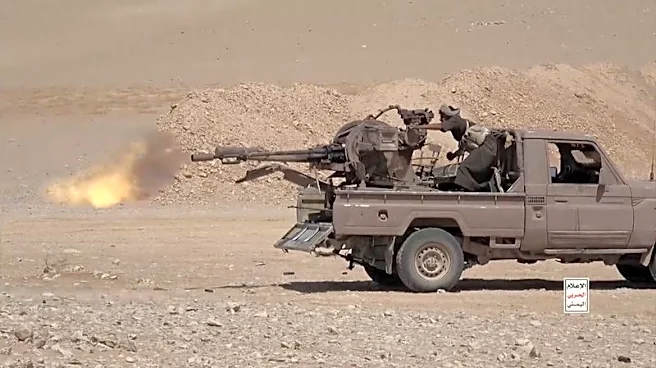
Two months after launching bombing raids from Mar-a-Lago last year, President Donald Trump said the Houthi militants had decided to quit fighting. So, why have gasoline prices surged in the past week?
In short, because they didn't stop.
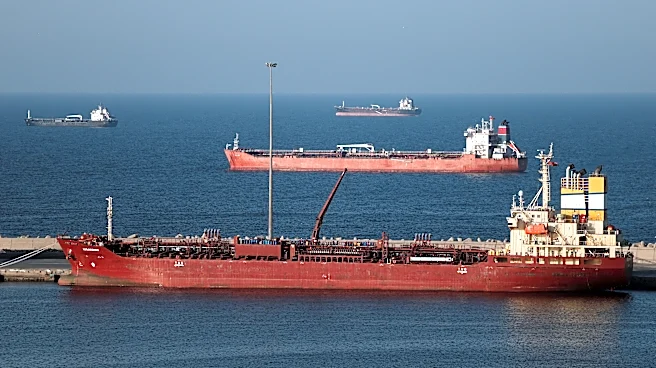
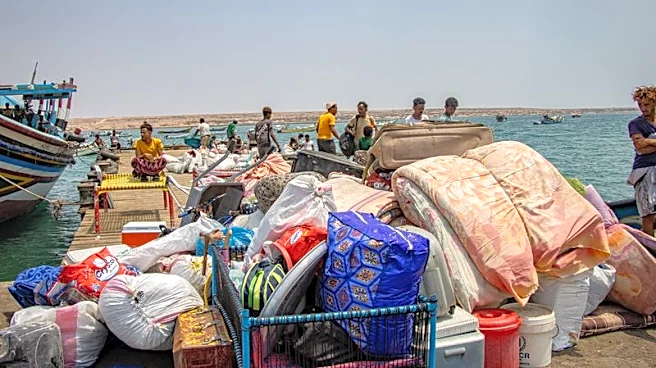
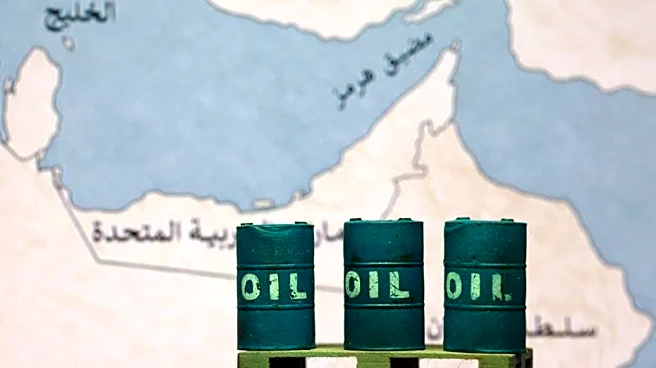
On Sept. 11, the Yemen-based Houthi militant group took control of strategic positions along the vital Red Sea shipping lanes. Combined with the Iranian chokehold on Strait of Hormuz, and damaging attacks on a Saudi Arabian petroleum pipeline, the Houthi advance sent global energy prices spiraling.
By Sept. 18, the shock to fuel prices had grown acute in the Palm Beaches, Trump's adopted home, after a 18-cent increase placed the average price regular gasoline to $4.46. The average price in Florida stood at $4.33,
up 18 cents in the past week.
Here five things to know about the Houthis, Trump and one seemingly forgotten military action the president announced from Palm Beach County.
Trump, the Houthis and a weekend at Mar-a-Lago in March 2025
The Houthis are a rebel and Zaydi religious movement in Yemen that has been battling a Saudi-backed regime for decades.
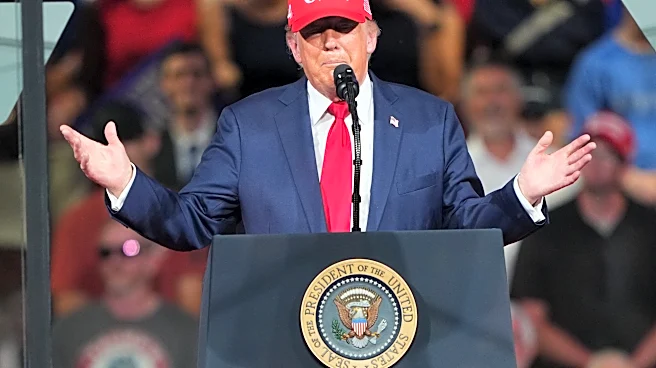
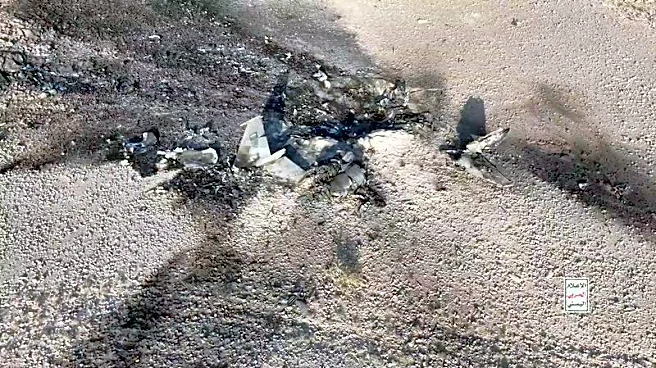
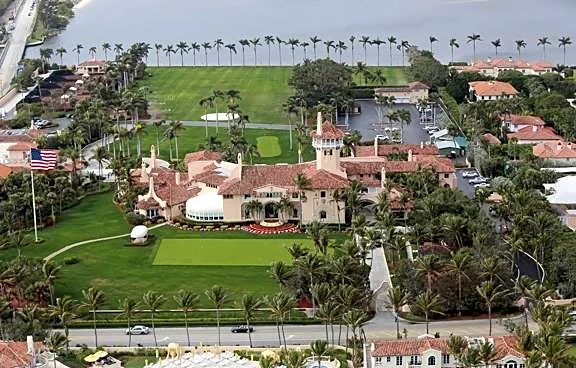
The ongoing strife entered the American news cycle during Trump's sixth weekend in Mar-a-Lago this term. In March 2025, Trump disclosed in a social media post that U.S. military forces had launched aerial attacks on Houthi forces and positions in Yemen.
The attacks were the president's first ordering of large-scale military action this term, later followed by the raid on Venezuela and the ongoing Iran war — both while he was at Mar-a-Lago.
In announcing the strikes on Houthis, Trump also warned Iran, which backs and armed the militants, to "immediately" end their support. The action followed Houthis warnings they would launch attacks against Red Sea shipping unless Israel, which is located at the northern end of the waterway, ended its Gaza blockade.
The U.S. attacks followed calls at the start of the Trump presidency, including from first administration Iran and Venezuela special envoyElliott Abrams, to punish Iran for its employment of Houthis as proxies. But, said a former State Department Middle East officer, Annelle Sheline, they were also carried out on Israel's behalf following Houthi threats against Tel Aviv over the Gaza port blockage.

Houthi attack national news for unexpected reason — a Signal chat
The Houthi action ordered by Trump soon became the source of a classified secrets scandal in the spring of 2025.
That happened after it was revealed that the editor of the decidedly Trump-critical Atlantic magazine had been included on a Signal chat text group. There, everyone from Vice President JD Vance to Defense Secretary Pete Hegseth to Floridians Marco Rubio, secretary of state, and Mike Waltz, the then-national security adviser, had discussed the details of the military mission.
Waltz, a former congressman from northeast Florida, eventually was removed from the White House national security post and reassigned to serve as the U.S. representative at the United Nations. The intense focus on the seeming serious breach ebbed.
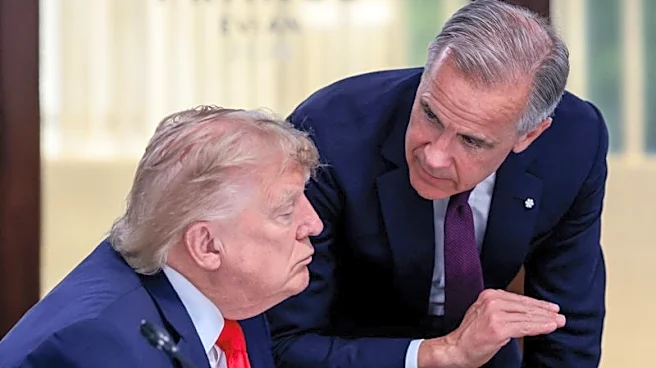
On May 6, Trump said during a meeting with new Canadian Prime Minister Mark Carney that he had suspended the attacks on Houthi factions in Yemen because the militants had "capitulated" and “don’t want to fight anymore.”
End of story, right?
Houthis back Iran in Trump's war, achieve strategic victories
On Sept. 11, the Houthis completed their seizure of pivotal Yemeni coastal territory along the Red Sea as well islands that give them control of the Baba el-Mandeb Strait.
These are, literally, places foreign to many Americans. But the region is of enormous importance to global oil supplies — and what we pay for gasoline.
The Red Sea is Saudi Arabia's western boundary. Along with a pipeline, the Red Sea allowed a lot of Saudi oil exports to navigate via a completely different route from from the Iran war conflict and Tehran's Hormuz closure.
The Houthi action sent a shock wave through the global oil market, and a week after, the average price of regular gasoline has shot up to $4.46 a gallon from $4.29.
What has Trump said about Houthis and Red Sea oil shipments?
The president has not commented on Truth Social specifically about the consequences of Houthi control of the southern end of the Red Sea.
Instead, Trump this month blamed the record high prices for diesel fuel on Ukrainian strikes on Russian oil refineries. On Sept. 14, Trump posted that Ukraine had agreed not to "hit Russian Energy targets." He insisted the significant setbacks in the Iran war are not the cause of the "price rise" — a position that global petroleum experts have said is incorrect.
Speaking with reporters, Trump also downplayed the Red Sea developments, restating the Houthis "don't want to fight with us" and are letting "most ships" exit the Red Sea.
Trump acknowledged "there is one country they are not too happy with" — Saudi Arabia.
But the president said matter-of-factly that "we'll get that straightened out."
Why the Houthis fight with U.S. ally Saudi Arabia is a complex one
Straightening out the Houthis-Saudi conflict is a prickly challenge, said Sheline, who served in the State Department's Office of Near Eastern Affairs.
Sheline notes that the Houthis and Saudis have been fighting since the 1990s. While the Israel conflict in Gaza and the Iran war are factors in Houthi strategic considerations, she said the confrontation with the Saudis is the core issue.
"This is its own conflict," said Sheline, now a research fellow in the Middle East program at the Quincy Institute for Responsible Statecraft in Washington.
She added the Houthis formed decades ago to confront "in response to Saudi [religious] proselytism in northern Yemen" and "then eventually sort of grew into a larger movement."
And a large quandary for U.S. interests.
"Now, the fact that the Saudis cannot get oil out through the Baba el-Mendab is huge," Sheline said.
The Middle East analyst said the fastest way to defuse the global oil shock would be for the United States to convince the Saudis to "give the Houthis what they want."
Sheline, however, acknowldged that it is unlikely that the Saudis will give in to the Houthis' demands or that Trump would ask them to do so. She says there is a lesson the Saudis should learn about U.S. efforts to fight the Taliban in Afghanistan.
"Similarly, my advice to the Saudis would be: 'Don't spend 20 years on a futile fight the way the U.S. did. Accept the Houthis and find a way to work with them,'" she said.
In the meantime, the Red Sea crisis is a reminder that what happens on the other side of the planet can impact here at home. And this is one conflict that may not have quick resolution.
Sheline said the Houthis may try to further pressure the Saudis, perhaps by striking oil infrastructure to force Riyadh to stop backing anti-Houthi forces in Yemen. The Houthis also appear to eye taking Marib, another fountain of oil production "and one of the last strongholds of the internationally recognized government in northern Yemen," she added.
"The Houthis feel they have the advantage and want to try to further consolidate control and force the Saudis to negotiate with them," Sheline said. "Violence has not worked. It's time for diplomacy."
Antonio Fins is a politics and business editor at The Palm Beach Post, part of the USA TODAY Florida Network. You can reach him at afins@pbpost.com. Help support our journalism. Subscribe today.
This article originally appeared on Palm Beach Post: Trump said Houthis quit, but gas spikes as rebels seize Red Sea outlet