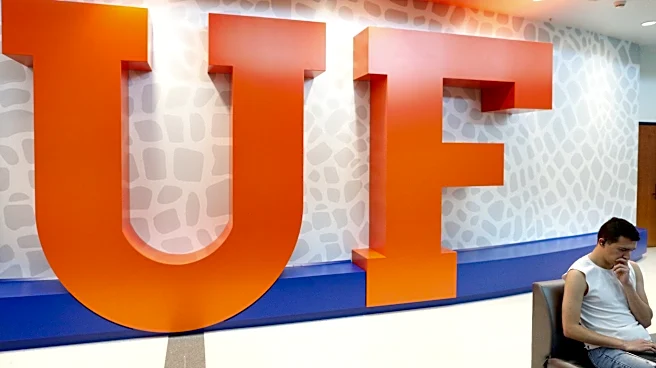





Florida officials have barred undocumented immigrants from attending public universities, making the state the largest in the U.S. to deny the group access to state-funded higher education institutions.
Public universities in Florida's immigrant-rich communities could be hit the hardest, including Florida Atlantic University in Boca Raton, Florida International University in Miami and the University of Central Florida in Orlando.
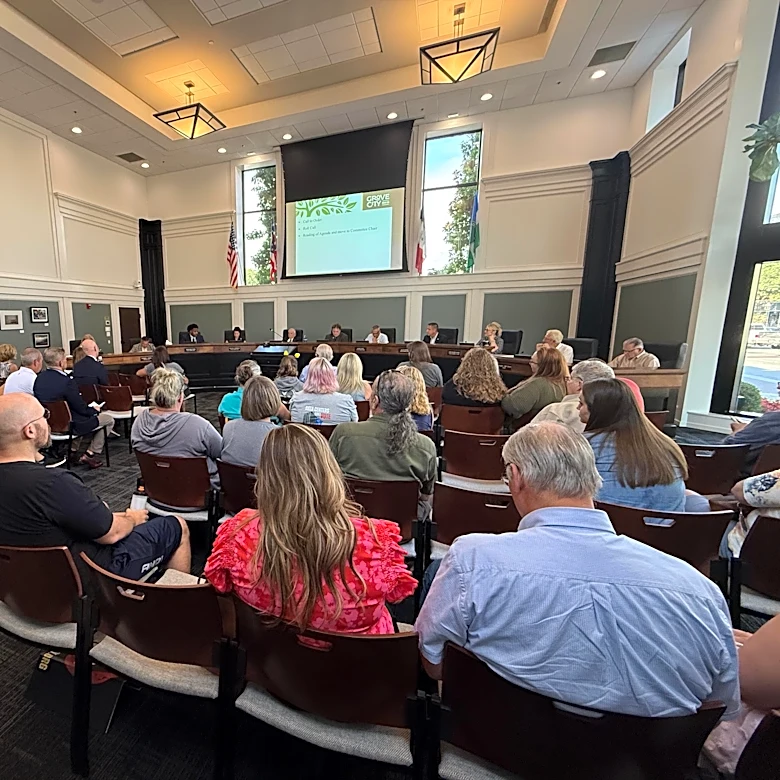
The Florida Board of Education on Sept 3 approved new rules that will require all 12 state universities to verify that all students either are U.S. citizens or have legal status and documentation.
Under the new policy, "a person who is not lawfully present in the United States shall not be eligible for initial enrollment
in any state university which, for the two most recent academic years, did not admit all academically qualified candidates."
It was not immediately clear if new rules would go into effect for the upcoming fall 2026 semester or whether they if they would affect students who are currently enrolled.
Florida previously blocked undocumented students from state colleges
The move comes two months after the board approved similar rules to ban undocumented students from attending all 28 state-level colleges, such as Palm Beach State College. The change is projected to cost them over $15 million in tuition revenue combined.
Both measures follow a 2025 decision by the Florida Legislature to repeal a 2014 law granting in-state tuition to about 6,500 undocumented students who had attended Florida high schools. The repeal increased their tuition costs by an estimated three or four times.
The moves come as the administration of President Donald Trump has increased enforcement of laws about immigrants in the U.S. without documentation. Gov. Ron DeSantis has backed many of these policies and deputized law-enforcement officers to work with federal officials under section 287(g) of the Immigration and Nationality Act.
In 2025, the state had over 60,000 undocumented students in higher education, according to the HigherED Immigration Portal. Every year, about 8,000 undocumented students graduate from Florida public high schools, with many of them choosing remain in-state to attend public colleges and universities while they either work or help their families.
Historically, Florida public universities have allowed undocumented students to enroll if they met their academic admission requirements. Under the new policies, who gets to access that education would be solely determined on a person's immigration status.
Opponents: Barring immigrants from universities will hurt Florida's economy
Education and immigration advocates warn the new rules will lead to a drop in enrollment across Florida public universities and cause schools to lose millions in state funding and tuition revenues. They also argue banning undocumented students will also harm local economies and their workforces over the long term.
“At its core, this regulation asks our universities to look at an academically qualified student, someone who has done the work, earned the grades, met the standards, and demonstrated that they are capable of succeeding here and tell them that none of that matters because of their immigration status," Roberto Garcia, a professor at Florida Gulf Coast University in Fort Myers, said in his allotted two minutes to address the board.
"I cannot reconcile that with the purpose of public higher education,” Garcia said in remarks broadcasted over Miami public radio station WLRN.
Valentina Palm covers immigration and breaking news for The Palm Beach Post. Email her at vpalm@pbpost.com and follow her on X, the platform formerly known as Twitter, at @ValenPalmB. Support local journalism: Subscribe today
This article originally appeared on Palm Beach Post: Florida bars undocumented students from UF, other state universities