






We all go to the grocery store, fill up at the gas pump, and open our utility bills as our expenses continue to climb. Floridians are feeling squeezed, and even careful budgets are forcing difficult financial decisions.
Floridians deserve a break. The question is: Is Amendment 3 the right way to provide it? To decide, we need to understand how we got here.
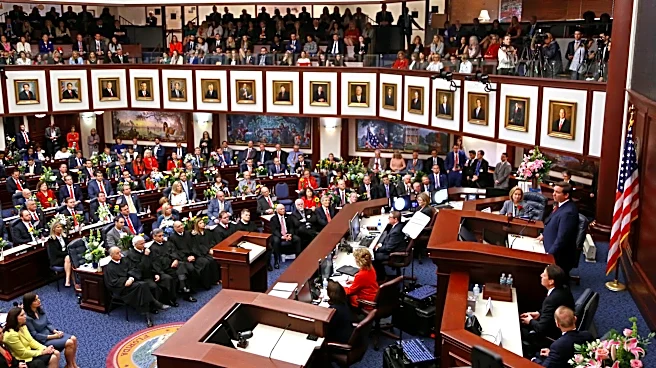
In the last legislative session, I was appointed to the Select Committee on Property Taxes and discussed tax reform. The committee brought forward eight proposals that ultimately failed in the House and Senate.
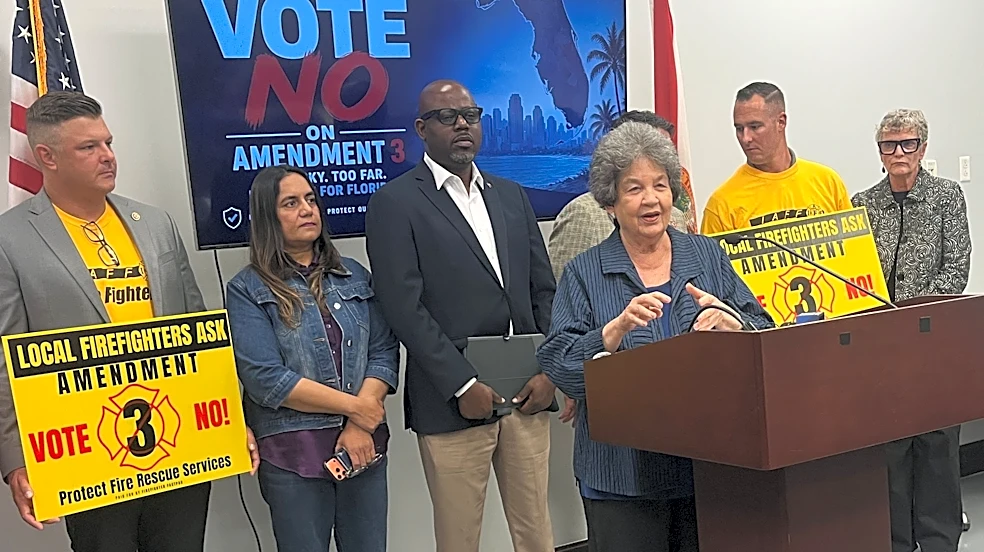
Fast forward to May 27, when the Special Session on Property Taxes was announced along with the proposed ballot initiative raising the homestead tax exemption to $150,000 in 2027 and $250,000
in 2028, with inflation adjustments afterward. The Special Session began June 1, and by June 2, we were voting on a proposal that could fundamentally change how communities across Florida are funded.

Typically, we develop an implementation plan before passage. That did not happen here.
In fact, nothing in this bill requires counties and cities to “cut the fat.” As more of homestead value becomes exempt from property taxes, we have to ask who will pay for the services local governments must still provide. Renters, businesses, and investment properties will not receive the same exemption. Higher millage rates, fees, and assessments could ultimately affect renters, small businesses, and even homesteaded homeowners, all while our workforce is being priced out and small businesses are already under significant financial pressure.
Floridians already face an affordability and workforce housing crisis, and homeownership is unattainable for so many of our families. Municipal and county officials have told me that if the homestead tax base is significantly reduced, they may no longer be able to approve housing developments under $650,000 because the revenue would not cover the infrastructure and public safety cost associated with them.
This amendment affects the entire state, and not every community looks the same. There are cities and counties where 90% of properties are homesteaded and valued under $250,000, with little to no commercial property to help sustain their tax base. If that tax base disappears, what happens to those communities?

One discussion during the legislative process was that smaller communities may have to be absorbed by larger counties. But how can counties take on additional roads, public safety, infrastructure, services, and debt while their own budgets are being cut?
These are the kinds of questions that need to be answered before we make a change this significant for the entire state.
Next year, the Taxation and Budget Reform Commission will meet, as constitutionally required every 20 years. I would rather see its recommendations used to develop a more thoughtful, comprehensive plan that gives us more than a week to review and avoids shifting costs onto renters and businesses, increasing fees and assessments on homeowners, or leaving seniors with little savings or even higher overall costs. We need to get this right the first time.
Debra Tendrich is a Democrat representing District 89 in the Florida House, which includes Atlantis, Cloud Lake, Lake Clarke Shores, Palm Springs and portions of Greeacres and Lake Worth Beach.
This article originally appeared on Palm Beach Post: Renters, small businesses will bear the brunt of Amendment 3 | Opinion