

As more and more voters turn their attention to the midterm elections, there's a growing awareness ― and concern ― over a proposed amendment to the Florida Constitution that would change how property taxes and local government spending would work. Depending on who you talk to, it's either a long-awaited blessing or a looming fiscal curse.
Amendment 3 is one of three constitutional amendments on the November ballot. It is by far the most controversial and crucial. Unlike ballot initiatives that come from the voters via signed petitions, like the amendments to limit class sizes, legalize recreational marijuana or allow more ex-felons to vote, these amendments were placed on the ballot by the Florida Legislature, with Amendment 3 serving as their
answer to the state's growing angst of unaffordability.
If the amendment receives 60% or more of votes cast in the election, it would increase the exemptions of homesteaded properties and lower caps on assessment increases for non-homestead properties. For the average Florida homeowner with a primary residence assessed over $250,000, the estimated property tax savings could range from about $1,350 in 2027 and about $2,850 in 2028. Homes of higher assessed value would produce bigger savings.
The amendment gives Republican state leaders a tool to convince voters that they are serious about addressing Florida's ever-increasing cost of living. But, a sizeable tax break like Amendment 3 comes at a cost ― lost revenue.
According to a recent Florida Policy Institute report, many localities would see significant reduction in revenue from property tax collections. Cities, counties, children's services councils, public hospitals, even water management districts would be impacted. State economists predict the amendment would reduce local revenue by nearly $12 billion. For some municipalities, the result of amendment passage could beinsolvency.
No matter the vote, Amendment 3 will be a gamechanger
These two very different outlooks have produced a fair share of opinions about the amendment and more importantly the opportunity for a deeper look into how state and local governments actually operate. To help better inform our readers and the public at large about the amendment, we have asked community leaders, elected officials and others to provide their insights into this initiative to answer how this change might impact our community.
The Post has already heard from two mayors in Palm Beach County who hold opposite views on the amendment's impact on local governments. Their views reflect the greater conversation that is resonating throughout the state.
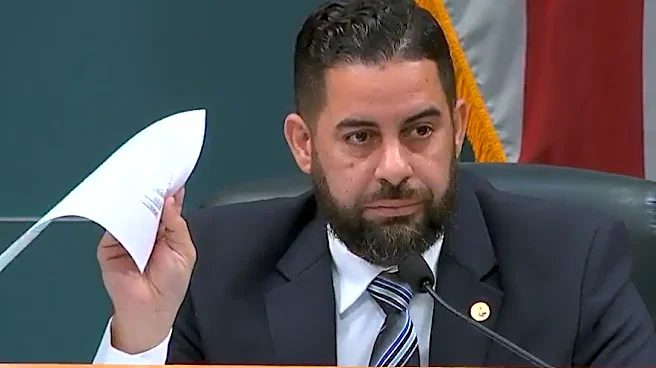
Wellington Mayor Michael J. Napoleone spoke up early in an June 17 opinion piece published in The Post, making the argument that property tax revenue was in essence a community investment in key services that make municipalities attractive and livable. "Property taxes are not purchase payments but are contributions to the ongoing public services and infrastructurethat give your property value and enhance your quality of life," he wrote.
Delray Beach Mayor Tom Carneymade a counter-argument. He sees the amendment as a tool to help localities curb spending and do better in budgetary planning. "Amendment 3 would slow — not eliminate — property tax growth by expanding the homestead exemption and reducing the annual assessment cap on non-homesteaded properties from 10% to 5%," Carney wrote. "The real question is not whether revenues will grow more slowly, but how the City responds. Should we create new fees and taxes, or should we find savings within our existing budget?"
In the weeks leading up to the Nov. 3 vote, The Post will continue to solicit and publish views from our community leaders, readers and other interested parties about Amendment 3. The hope is to expand on the basic arguments over revenue to see how the amendment might affect programs and procedures that might not come to mind or haven't received the publicity it deserves.

Changing the way state and local governments collect, handle and spend property tax revenue is huge. It is a vote that should not be taken lightly. It's our hope that this effort will help in your decision on whether to approve or reject Amendment 3.
Douglas C. Lyons is an editorial writer and columnist for The Palm Beach Post, part of the USA Today Network-Florida. He can be reached at dclyons@usatodayco.com.
This article originally appeared on Palm Beach Post: Florida property tax vote consequential and controversial | Opinion