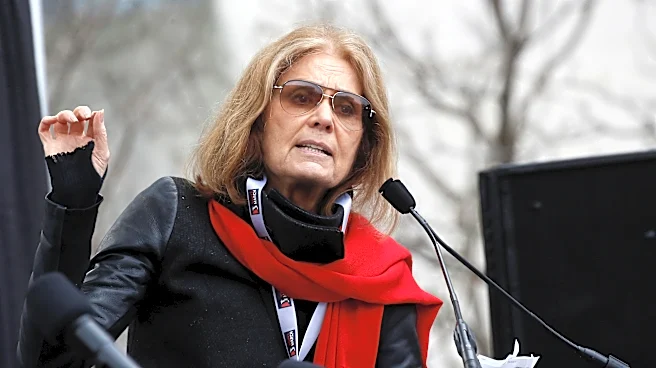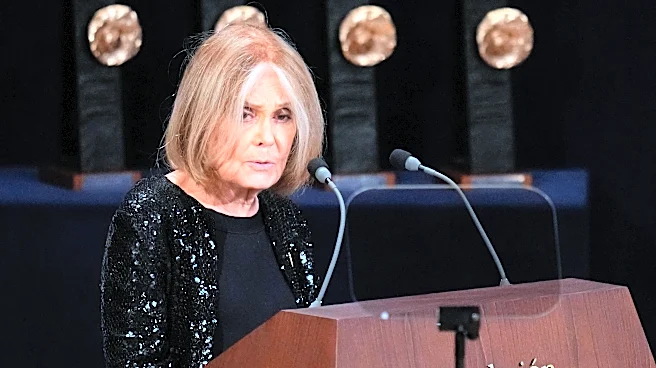





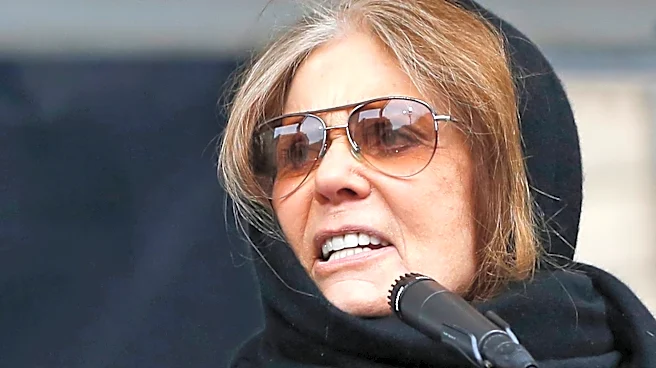

Civil rights activist and award-winning journalist Gloria Steinem, who blazed a trail in media with Ms. magazine and became one of the faces of women's liberation, has died. She was 92.
The iconic thought leader died Wednesday, Sept. 2, according to her official Instagram page.
Steinem "passed away peacefully at her home in New York City, surrounded by some of the many who loved her," the post read. "Gloria's near-century on earth were years well-lived, and she continued working for equality until the very end.
"Gloria's greatest gift was her ability to listen to others, to make others feel seen and heard. Her words, actions, and example gave people permission to be their truest selves. Gloria lived true to her independent spirit, always with curiosity
and a great sense of humor."
Born in 1934 in Toledo, Ohio, Steinem rose from working-class roots to be one of the leaders of the women's rights movement in the late 1960s and '70s. She was one of the founders of New York and Ms. magazines and author of numerous books, including "My Life on the Road" and "The Truth Will Set You Free, But First It Will Piss You Off!"
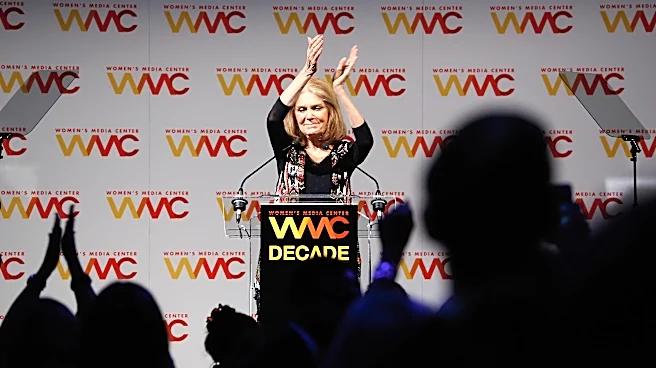
Steinem also dedicated her life to the cause of equality and civil rights, cofounding the National Women’s Political Caucus, the Ms. Foundation for Women, the Free to Be Foundation, and the Women’s Media Center in the United States. In 1970, she testified before the Senate on behalf of the Equal Rights Amendment.
"It seems to me that much of the trouble in this country has to do with the 'masculine mystique'; with the myth that masculinity somehow depends on the subjugation of other people," Steinem told senators at the time."It is a bipartisan problem; both our past and current presidents seem to be victims of this myth, and to behave accordingly."
Steinem received multiple awards over the course of her organizing and activism, including the Penney-Missouri Journalism Award, the Front Page and Clarion awards, the National Magazine Award, the Lifetime Achievement in Journalism Award from the Society of Professional Journalists, the Society of Writers Award from the United Nations, and the University of Missouri School of Journalism Award for Distinguished Service in Journalism. She was awarded the 2013 Presidential Medal of Freedom by President Barack Obama.
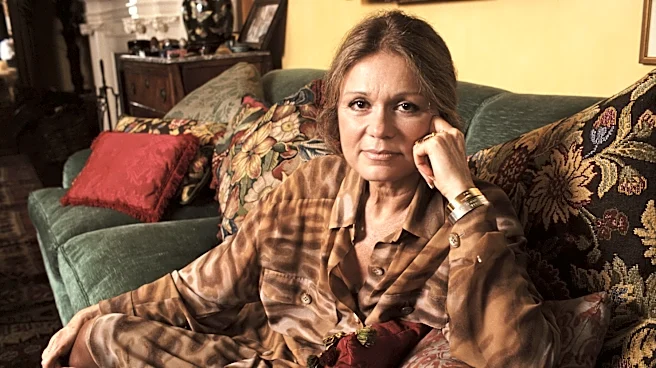
She died at her home in New York City, where her iconic Upper East Side brownstone's living room was known as a gathering space for influencers, academics, politicians and thinkers to discuss social issues and culture.
Childhood and early life
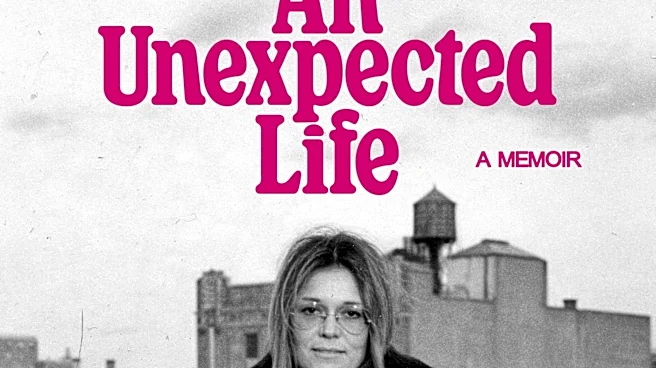
Born March 25, 1934, in the Toledo, Ohio, suburbs, Steinem learned "politics are a part of daily life," she shared in her memoir "My Life On The Road." Her father was a traveling salesman, and the family lived in a trailer home for her early years.
After her parents divorced in 1946, Steinem lived with her mother, who battled mental illness. Caregiving for her mother was a transformative experience for Steinem, which she frequently referenced in her writing and advocacy work.
"There are many people in the world who grew up as children looking after their parents … and it caused us to grow up too early, but we’ve all had difficult times in our lives," she said on the BBC Radio 4 podcast "Young Again" when she was 90.
She did reconcile with these struggles, though: She told The Guardian in 2017 how indebted she feels to her parents: "[To] my mother, a huge debt for creating a loving childhood for me when she didn't have one. My father, for being OK with insecurity. As he always said, 'If I don't know what will happen tomorrow, it could be wonderful.'"
Steinem pursued her education and graduated magna cum laude from Smith College in Massachusetts in 1956 and earned a fellowship that gave her enough money to live in India. From 1957 to 1959, she learned about nonviolent protest and grassroots activism, shaping a unique view of community-led social change.
"There was this very clear message, which I never forgot, which was – if you want people to listen to you, you have to listen to them. If you want to have anything to offer about how people live, you have to go to where they live," Steinem said in 2011 in a conversation with Asia Society president Vishakha N. Desai.
It was also during this time in her life that Steinem had an abortion, a fact she shared in her 2015 memoir "My Life On the Road," which is dedicated to London physician Dr. John Sharpe. The doctor performed the abortion on then-22-year-old Steinem in 1957, when it was still illegal.
She recounts Sharpe told her: "You must promise me two things. First, you will not tell anyone my name. Second, you will do what you want to do with your life."
Inside her memoir: Gloria Steinem's touching tribute to doctor who made her abortion possible
From Playboy to Ms.
Once back in the United States, Steinem began freelance reporting in New York in 1960. While women widely read magazines in the 1950s and 1960s, most publications were male-run and relegated female reporters to topics like fashion and domestic living. Young reporters like Steinem were allowed to write stories only about women's topics, such as recipes and clothes; writing about issues that actually influenced women's lives was discouraged.
"When I suggested political stories to The New York Times Sunday Magazine, my editor just said something like, 'I don’t think of you that way,'" Steinem said, according to a 2011 history of Ms. published by New York magazine.
So she took matters into her own hands, gaining national attention for her 1963 article "I Was a Playboy Bunny," in which she recounted posing as a waitress at Hugh Hefner’s Playboy Club, changing her name and donning a costume to expose the work conditions and sexualization of women in the role.
The Playboy story: Why Gloria Steinem had regrets about her bombshell Playboy bunny story
That story followed her much of her career. In an interview in 2011, she told ABC News: "It was a professional error of gigantic proportions because I was just beginning to be assigned serious pieces and suddenly I was a bunny. And now, it's followed me all these years and I am always confronted by a moral dilemma. Should I stop people who introduce me as an ex-bunny and say, but I was doing it as a journalist?"
But the impact of the story and what she learned marked a turn in the late 1960s to more political reporting; Steinem wrote a column, "The City Politic," for New York magazine.
And she discovered feminism: She attended the meeting of the radical feminist group the Redstockings in March 1969 and was drawn to the stories and causes American women championed. She went on to found the National Women’s Political Caucus in July 1971 with Betty Friedan, Bella Abzug and Shirley Chisholm.
She also was inspired to make media that centered women's perspectives. That led to the ideation of Ms. magazine, which first appeared as an insert in the December 1971 issue of New York magazine. The first stand-alone issue was published the next year. The magazine's 300,000 "one-shot" test copies sold out nationwide in eight days, according to Ms. website.
Ms. was sold to the Feminist Majority Foundation in 2001, and Steinem remained on its advisory board and editorial masthead.
This article originally appeared on Palm Beach Post: Gloria Steinem, feminist icon and Ms. Magazine trailblazer, dies at 92