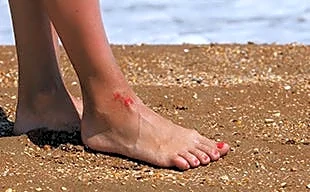

A second case of Vibrio vulnificus, the so-called "flesh-eating bacteria," has been reported in Bay County, Florida, and Broward County reported its first this year, according to an Aug. 20 update from
the state health department.
That makes a total of 17 cases for the year and two deaths in Florida from the rare but potentially fatal infection that people can catch from eating raw oysters or swimming in brackish water where seawater and freshwater mix.
The victim in Bay County is between 55 and 59 years of age, while the Broward victim is between 75 and 79, health data shows.
Vibrio vulnificus infections are extremely rare, but can turn life-threatening within hours. Victims may need emergency surgery — and in some cases swift amputation — to survive. Florida recorded 33 cases and five deaths in 2025.
Louisiana has reported 12 cases and five deaths this year as of Aug. 19, all from wound/sewater exposure. In Alabama, the Mobile County Health Department has reported 10 cases of vibriosis this year. The Mississippi Department of Health has reported 3.
Where Florida cases have been reported
According to Florida Department of Health data through Aug. 15, cases have been reported in:
- Cases:
- Bay County: 2 (+1)
- Brevard: 1
- Broward: 1 (+1)
- Hillsborough County: 1
- Lee County: 2
- Marion County: 2
- Miami-Dade County: 2
- Okaloosa County: 1
- Palm Beach County: 2
- Polk County: 1
- Santa Rosa County: 1
- St. Johns County: 1
- Deaths:
- Marion County: 1
- Palm Beach County: 1
How to avoid getting infected with Vibrio vulnificus
Vibrio vulnificus thrives in brackish water found in bays, estuaries, river mouths, and much of Florida's coastline. Most infections occur when people eat raw or undercooked shellfish, particularly oysters, harvested from those waters. Infections can also occur when cuts, scrapes, or other open wounds are exposed to contaminated water.
The bacterium can cause necrotizing fasciitis, a rapidly spreading infection that damages tissue and may lead to sepsis, organ damage, and even death. In severe cases, emergency surgery or amputation may be necessary to stop the spread.
While anyone can become infected, those at greatest risk include people with liver disease, cancer, diabetes, HIV, or thalassemia; people taking immunosuppressant medications; people using medications that reduce stomach acid; people who recently underwent stomach surgery; and older adults with multiple underlying health issues.
Health officials say to avoid eating raw or undercooked oysters, especially if you fall into one of the high-risk categories, and stay out of brackish water if you have any open and uncovered cuts or wounds.
What are the symptoms of Vibrio vulnificus?
Symptoms may include:
- Watery diarrhea, stomach cramps, nausea, vomiting, and fever
- Fever, chills, low blood pressure, and blistering skin lesions
- Redness, swelling, pain, warmth, discoloration, and drainage from infected wounds
Health officials advise seeking immediate medical attention if symptoms develop after eating raw seafood or being exposed to brackish water. The Centers for Disease Control and Prevention (CDC) estimates that about 1 in 5 people with severe infections die, sometimes within hours of becoming ill.
C. A. Bridges is a journalist for the USA TODAY Network-Florida's service journalism Connect team. You can get all of Florida’s best content directly in your inbox each weekday day by signing up for the free newsletter, Florida TODAY.
This article originally appeared on Palm Beach Post: Where Vibrio vulnificus cases rise in Florida after 2 new reports