






Halloween brings a cascade of nostalgia: the various costumes my children wore, jack-o’-lanterns, sticky caramel apples, trick-or-treating and pumpkin buckets full of candy. But Halloween – when some people dress as grim reapers, scatter decorative skeletons across their front yards and make a game out of terrifying others – also makes me think of Edgar Allan Poe, the undisputed master of the macabre.
As an English major and later an English teacher, I’ve read my share of creepy literature. Yet, of all the Gothic tales I’ve encountered, one story has forced me to contemplate mortality more than any other: Poe’s 1842 masterpiece, “The Masque of the Red Death.”
The plot is deceptively simple. To escape a devastating plague called the Red Death,
the wealthy Prince Prospero and a thousand of his friends retreat to a heavily fortified abbey with seven rooms. Inside they enjoy a lavish masquerade ball.
I was taught the rooms represent the stages of our lives: birth, childhood, adolescence, adulthood, old age, twilight and death. Because of the arrangement of the rooms, the guests can only see one room at a time, symbolizing our inability to see into the future or know when our lives will end.
The prince and his guests party in the first six rooms, trying to ignore the seventh room. But Poe doesn't let them forget. Every hour, a clock in the seventh room chimes and eerily brings the music and dancing to a halt. For a brief, uncomfortable moment, the revelers are reminded time is slipping away, and death is inevitable.

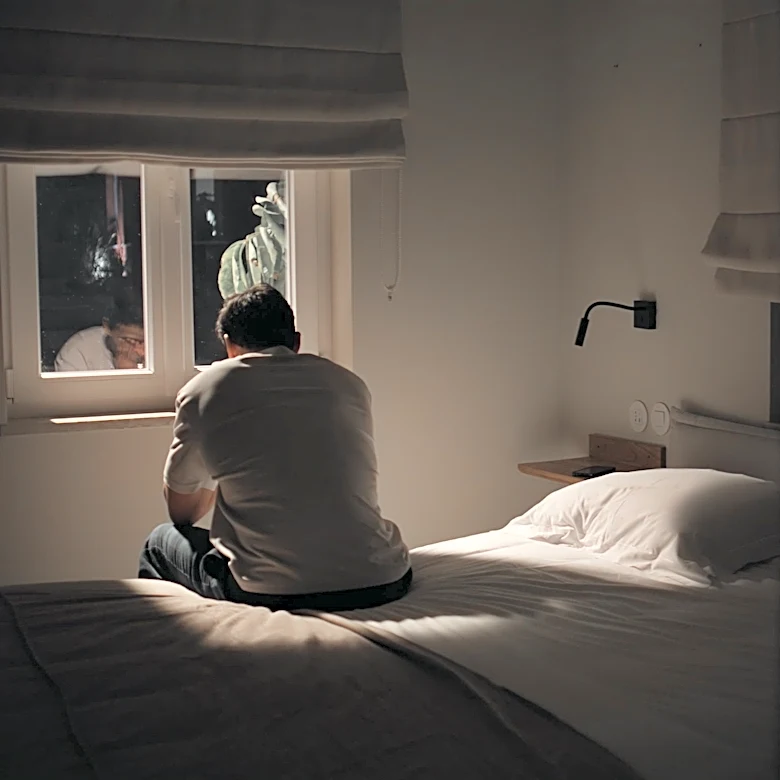
In our modern lives, we try our best to outrun that clock. We exercise, eat well, swallow vitamins, schedule annual checkups, get full body scans and buckle our seatbelts. But ultimately, we can’t control how much time we have left.
We also make elaborate plans, mapping out a future we take for granted. This past May, my husband, brothers, sister-in-law Tracy and I were supposed to go on a river cruise. A month before our scheduled trip, Tracy was diagnosed with cancer. Tragically, she died the day after we were supposed to leave.
We don’t hear a literal clock chiming every hour. But if we pay attention, the world reminds us of our mortality multiple times a day.
We hear of a celebrity dying, or worse, someone we love. We scan the obituaries, hear about someone battling a serious illness, see a car accident or pass by a funeral home or cemetery. A frozen iguana falls from a tree during one of our cold snaps.
Even our own bodies serve as reminders. A new ache or pain tells us we’re aging. A mirror reveals a new wrinkle or gray hair. And when someone younger than we are dies, the reminder is especially jarring.
Close calls with death
A thousand times I’ve feared I was going to die, but only twice did I actually come close to entering that seventh room.
The first time, I was driving back from St. Petersburg on State Road 70, a narrow, two-lane highway. Suddenly, an oncoming car pulled into my lane to pass the semi in front of it. If I veered left, I’d hit the semi. If I did nothing, we’d have a head-on collision. If I veered right onto the narrow shoulder with a sharp drop-off, I risked rolling over.
Time slowed to a crawl, though the oncoming car, which was probably going 70 mph, did not. In the split second I had to react, I blurted out, “What do I do? What do I do?” I got no response from my husband, who was staring death in the face alongside me. I gently steered to the right and somehow kept our car upright as the reckless driver squeezed between the semi and us.
Ever since, I’ve been a “Nervous Nellie” behind the wheel. Never mind fearing death. My overactive worry gene kicks in whenever I picture surviving a collision with life-altering injuries and unbearable pain.
The second close call was entirely different.
I woke on a peaceful Sunday morning to a voicemail from my doctor telling me to go to the emergency room immediately. My recent bloodwork showed calcium levels dangerously close to being fatal. My husband was out of state, so I drove myself to the ER. Surprisingly, I was calm.
My overriding thought was simple: “Well, I’ve had a good life.”
After days of testing, I learned my time wasn’t up yet. I needed surgery to remove two pesky parathyroid tumors sucking calcium from my bones and dumping it into my bloodstream. Truth is indeed stranger than fiction.
Do I want to die? No. I wanted to live to see my children grow up. Now I want to see my grandchildren grow up. And if I live long enough, I’m sure I’ll want to meet my great-grandchildren, too.
Am I afraid to die? Even though I believe my soul will live on in heaven, I don’t know how my body will die, whether dying will hurt or what exactly heaven will be like. So, yes, I have some fear of the unknown. But truth be told, I’m more afraid of my loved ones dying than I am of dying myself.
When my dad was 91, I asked him if he was afraid to die.
“It’s something we all have to do, so why be afraid of it?” he said. Blew my mind.
Then I asked how long he wanted to live. He said, “I’d like to live to be 100, I suppose.” Apparently, accepting death and wanting an extension aren’t mutually exclusive.
When Dad became bedridden during COVID, visits to the hospital and nursing home were painfully limited. On his 92nd birthday, he was barely conscious, but I did get to feed him blueberry pie and ice cream.
“Are you ready to go to heaven and be with Mom and Jesus?” I asked.
“Oh, yes,” he said.
He died the next day.

Am I ready to die? Spiritually, yes. My affairs are in order, too. But, like my dad, as long as I feel well and remain active, I’d like to live to be 100, I suppose.
I know some people see belief in God and heaven as a psychological crutch. I see it differently. When I look at the animals at the Palm Beach Zoo or Lion Country Safari, consider the complexity of the human body or gaze at the vast ocean and sky, I’m filled with awe and can’t help but believe in a Creator. My faith doesn’t eliminate my fear of death. It simply changes what I believe comes next.
At 66, I don’t feel old, but I suppose I have to admit I’ve entered Poe’s fifth room: old age. My 70-year-old husband vehemently objects to the idea that either one of us belongs in that room. But knowing we’re closer to the seventh room than we used to be affects how we spend our time.
Steve Jobs once said he asked himself each morning whether he’d want to spend his day doing what he planned to do if it were his last. If the answer was “no” too often, he knew something needed to change.
In my 30s, I sometimes lay awake at night wondering whether I was doing anything meaningful with my life. Raising my children and teaching ultimately gave me the answer: Yes, I was.
I’ve always known my time is finite, but the older I get, the more determined I am to be grateful for the time I’ve had, enjoy whatever time I have left, and spend it loving, serving, giving and making a difference in the lives of others rather than being afraid of dying.
I used to roll my eyes inwardly whenever Mom said, “See you tomorrow, God willing.” Then, suddenly and unexpectedly, she died, and I understood.
Ordinary moments become more precious when we realize they’re numbered. That’s why ordinary conversations with my children matter so much and why I say, “Love you,” when parting from loved ones or hanging up the phone. Why my three-year-old granddaughter telling me I’m her best friend is more precious than any compliment I’ve ever received from an adult, even if she has a new best friend the next day.
Birthdays, children outgrowing trick-or-treating, graduations, weddings, children leaving home, retirement, the death of parents, the birth of grandchildren, funerals, becoming the matriarch or patriarch of the family: Each reminds us the clock in the seventh room is chiming.
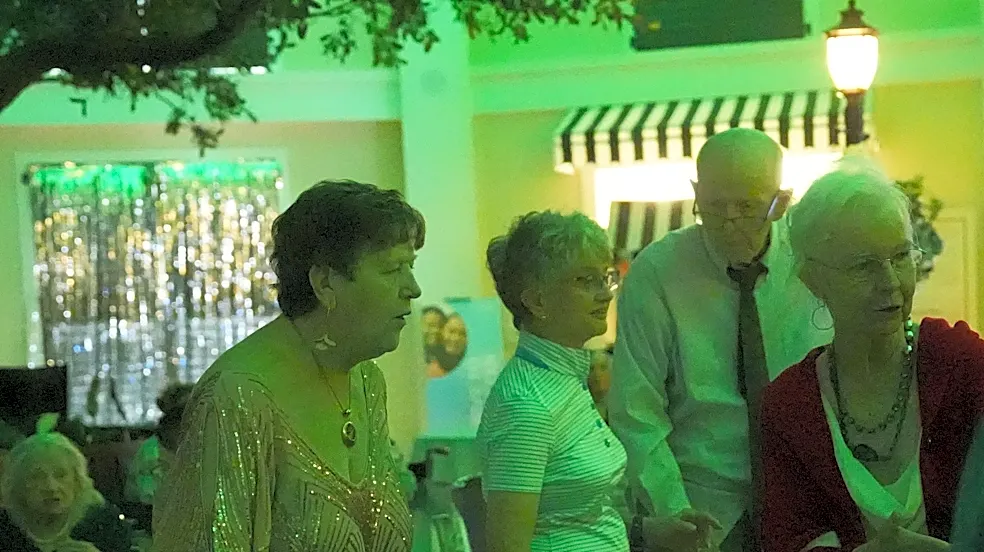
We don’t know how much time we have left. But instead of spending our days worrying about when the music will stop, let’s choose to enjoy the room we’re dancing in right now – and some Halloween candy, of course. Reese’s Peanut Butter Cups for me, please.
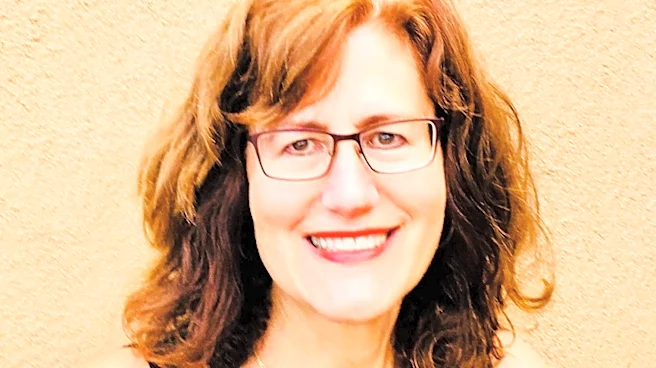
Janet Meckstroth Alessi is a retired high school teacher and frequent contributor to Accent. She can be reached at jlmalessi@aol.com.
This article originally appeared on Palm Beach Post: Facing mortality (and Halloween) with Edgar Allan Poe as my guide