





A wildfire has burned over 300 acres in western Broward County, according to the Florida Forest Service.
The 3 Alpha Sierra fire, located in the Everglades and Francis S. Taylor Wildlife Management Area, burned 330 acres and was 16% contained as of 7:42 p.m. on Sept. 28.
Between the start of the year and Sept. 25, 57,087 fires burned more than 8.5 million acres nationwide, according to the National Interagency Fire Center. In Florida alone, more than 2,900 wildfires have started since January, cumulatively burning over 200,000 acres.
The 3 Alpha Sierra wildfire is now at 260 acres (per FFS at 12:26PM) and visible on traffic cams just south of Alligator Alley (MM 35). Appears that air support is on scene, assisting in containing the fire. #FLwx
pic.twitter.com/14g7G34NLS
— NWS Miami (@NWSMiami) September 28, 2026
'Unusually' hot summer provoked wildfires in South Florida
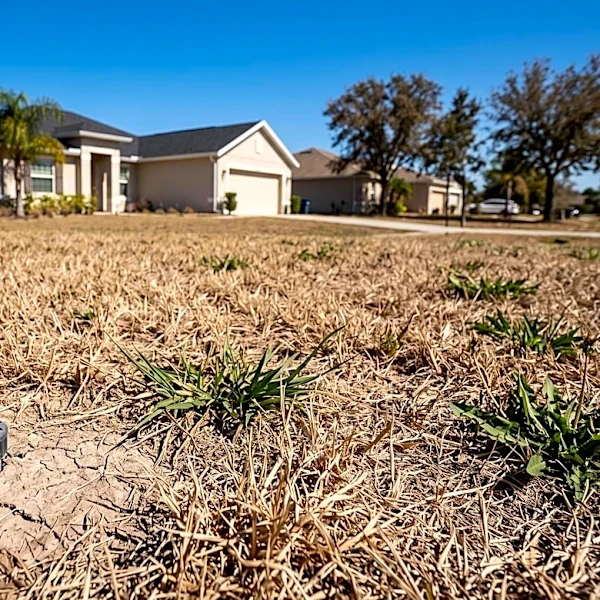
South Florida saw an "unusually" hot summer with below-average rainfall, according to the National Weather Service, with several areas experiencing some of their driest summers on record.
"Relatively low rainfall values placed many sites among the top 10 driest summer seasons on record, and came at the heels of a dry spring," read a Sept. 1 weather summary by the National Weather Service Forecast Office Miami-South Florida.
Several areas also broke established heat records, according to the NWS, with Fort Lauderdale and West Palm Beach experiencing their hottest summers on record, along with the whole of the United States. Records in both cities both go back "well over 100 years." Miami tied 2023 for its hottest summer.
Although the document doesn't point to a "single weather feature" as the cause of the dry heat, the region "experienced trends similar to those observed over much of the Caribbean region," which is "a common feature during El Niño episodes in the summer."
"This prevented prolonged periods of tropical moisture from affecting South Florida for long periods of time," the summary added.
Drought persisted for longer, with "conditions which normally end in June," including extreme drought, which lingered in the "southern Everglades" through the end of the summer. The dry summer also resulted in "several lightning-triggered wildfires," which lasted from a week to nearly a month.
Sarah Perkel is a South Florida Connect Reporter for the USA TODAY Network's Florida Connect team. You can get all of Florida’s best content directly in your inbox each weekday day by signing up for the free newsletter, Florida TODAY.
This article originally appeared on USA TODAY: Florida wildfire burning near I-75 grows to over 300 acres