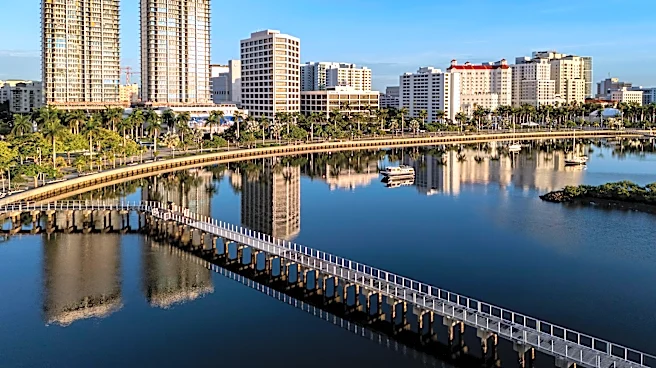







Concerns about overdevelopment have permeated West Palm Beach this year, progressing from social media complaints to organized activism.
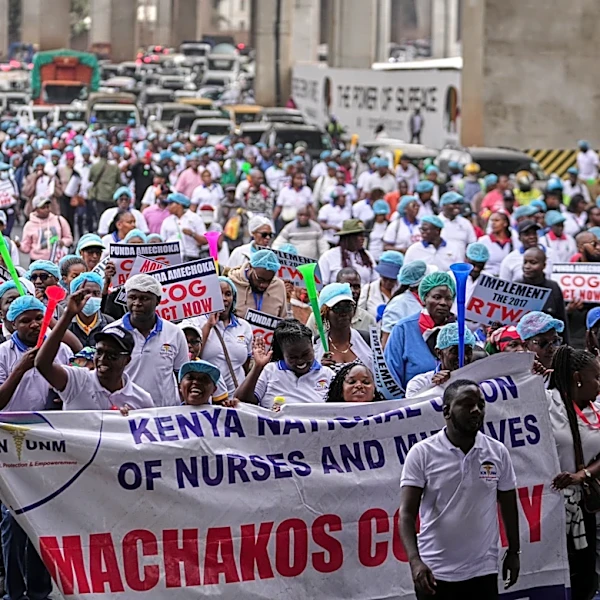
Resident groups have formed. Petitions have been signed. City Hall meetings fill regularly with residents in light-blue “Save West Palm Beach” T-shirts.
But after more than a decade at City Hall, a top city administrator used his final days in office to push back against the narrative of uncontrolled growth.
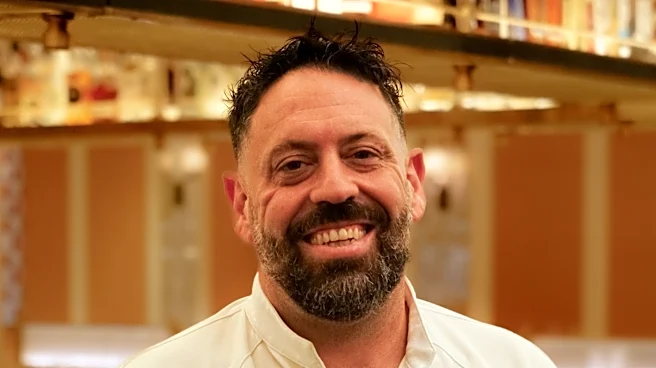
A few days before retiring from his influential post, Deputy City Administrator Armando Fana gave a stiff defense of the city’s development in recent years, framing it as an unalloyed good and a natural result of growing interest in the city’s many assets.
“I'm here to absolve you,” he told the city’s five
commissioners at an Aug. 24 workshop. “You guys have not done anything that has increased the density of the city. You know what's changed? The city is an attractive place.”
Fana wielded Census statistics and traffic data to argue that, contrary to public perceptions, the city’s population and traffic are not increasing at extraordinary rates.
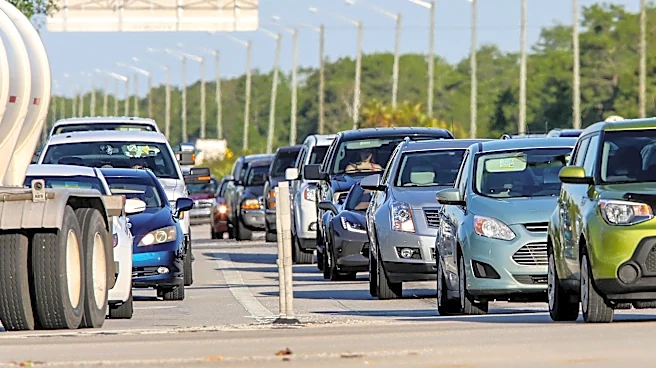
The city’s population grew faster in the 2000’s than it is in the 2020s, he said. And he said state data shows that overall traffic in the downtown has remained mostly flat.
Why does traffic seem worse lately? He primarily blamed construction, which he said closes roads and slows traffic, even if the number of cars on the road hasn’t significantly increased.
Indeed, there has unquestionably been a construction boom in the city. But Fana said that the development — much of it luxury condo towers and Class A office buildings — isn’t due to commissioners overhauling the city’s zoning rules.

In many cases, taller, more luxe buildings are replacing older ones, he said. Or larger buildings are being constructed on underutilized lots.
That’s not because of new rules but rather new interest, which was juiced by the COVID-19 pandemic.
“The code has not changed all that much in the last 20 years,” he said. “What's changed is that people want to come here. They want to live here. They want to work here. They want to invest here. That is what changed. Not our code.”
Some activists have argued that growth should be slowed or halted because it is taxing the city’s infrastructure, from roads and sewer drains to the city’s water supply.
Fana said that not only are traffic counts similar to levels before the COVID-19 pandemic, the city uses less water per resident than it used to.

It’s a change he credited to new, more efficient construction and a growing number of city residents living in apartments or condos, where residents typically consume less water than in single-family homes.
The city’s wastewater system has capacity for the growth expected over the next 20 years, he said. The city’s water supply is expected to be sufficient for more than a decade, and the city is making plans to build a new plant.
Rather than worsening the infrastructure, the new wave of development is improving it, Fana argued. Fees paid on new developments generate the money needed for important upgrades to aging drains and water pipes throughout the city.
What got Fana most worked up, he indicated, was the constant comparisons of West Palm Beach to Miami.

The West Palm Beach native said it would be impossible for the city to amass the size or density of Miami, arguing that the city’s footprint and development rules preclude it.
Some of the tallest towers that stand in Miami or are being planned are more than twice the height of West Palm Beach’s tallest buildings, he said.
“We don't want to become Miami,” insisted Fana, who retired Sept. 2. “We're never going to become Miami. We're the city of West Palm Beach.”
Andrew Marra is a reporter at The Palm Beach Post. Reach him at amarra@pbpost.com.
This article originally appeared on Palm Beach Post: ‘I’m here to absolve you.’ West Palm official defends brisk growth