



For 16 years she’s been on U.S. soil, paying taxes, obeying laws and working more than 40 hours a week bathing and dressing and helping those who need it, some for seven years at a stretch.
Now, what this 57-year-old single, Palm Beach County mother of two said she can’t understand is why the U.S. government is about to force her to return to Haiti, for which the United States has issued its strongest warning against traveling to “due to the risk of crime, terrorist kidnapping, unrest and limited health care.”
“I am a human, just like a U.S. citizen, right?” Maryse asked rhetorically. “I am trying to see what I’m going to do, how I’m going to deal with that. I may not have a choice but to go back there and put myself at high risk.”
Maryse, who
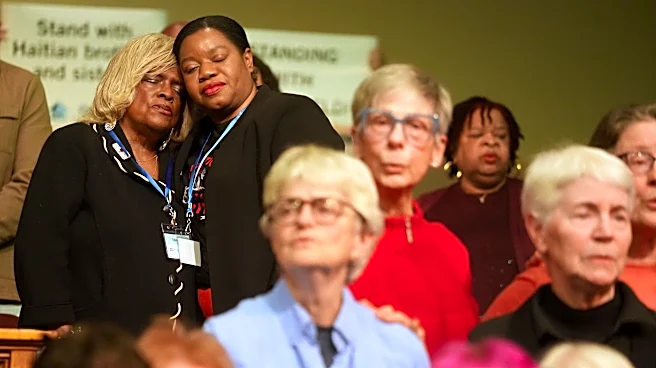
wished not to disclose her last name for this story, is one of tens of thousands of Haitians in Florida who work on the front lines of Florida health care keeping the most sick and frail patients clean, fed and up to date on their meds in private homes, nursing homes and hospitals.
The state’s industry leaders have pleaded with the federal government, saying that losing these workers will further strain an industry where thousands of jobs are currently unfilled. Glassdoor, a job site platform, currently lists nearly 5,000 certified nurse aide jobs in Florida. That’s the job Maryse does.
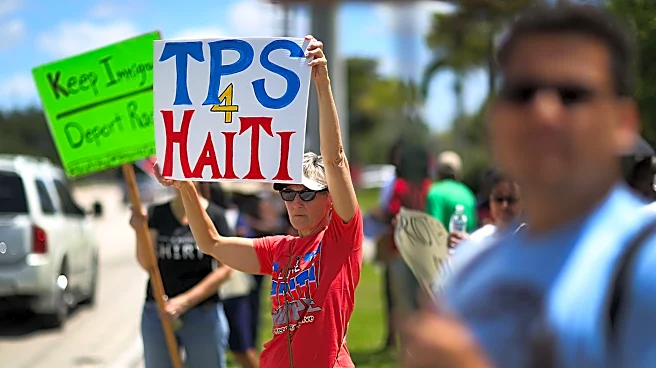
Late Monday, July 27 afternoon, there was no word on an extension that would continue allowing an estimated 350,000 Haitians, half of them in Florida, who have Temporary Protection Status (TPS) to stay in the United States without fearing deportation.
Will the U.S. renew TPS for Haiti in 2026?
At about 4 p.m. July 27, the Department of Homeland Security’s official account posted on X bolding and going all caps on the type for emphasis, “Temporary protected status is exactly that — TEMPORARY. For those with terminated TPS: it’s closing time. You don’t have to go home, but you can’t stay here,” the post said, alluding to the 1998 top 40 hit by Semisonic. “It’s not too late to get a $2,600 check and a FREE flight home.”
TPS is a government designation that allows people in countries facing civil unrest, environmental disaster, or persistent danger.
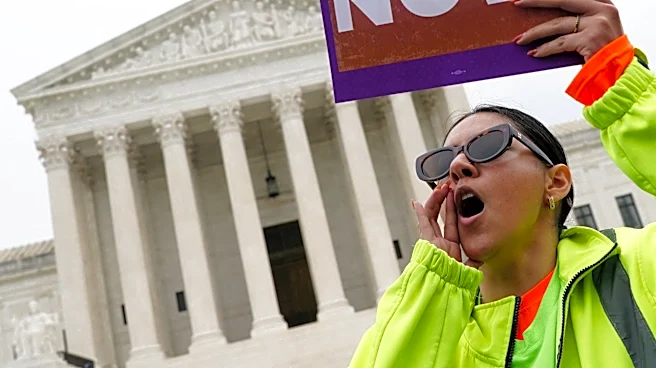
The U.S. Supreme Court ruled that the Trump Administration has the authority to end TPS protections for Haitians and Syrians on June 25. A July 10 deadline had been extended to July 24, which was extended to July 27.
Maryse said she has been told that July 27 is her last day working in home health care. It’s a job that’s been consistent enough that she’s provided care for a retired pilot and U.S. Air Force veteran for seven years until his death at 102 and now she’s tending to his sister, aged 101.
Democratic U.S. Rep. Debbie Wasserman Schultz of Weston released a statement that said she understands that the U.S. Department of Homeland Security plans to immediately begin the deportation of 2,000 Haitians who had TPS status each day.
"This costly effort to rip good people from their jobs and families is cruel, inhumane, and destructive to Florida’s economy," Wasserman Schultz posted on social media platforms. "We must work together to protect our Haitian neighbors."
Information like that has Maryse fearing to reveal her last name and work details publicly.
What will happen to Haitian nationals in Florida?
Maryse, who had to pass a criminal background check of federal and state records to hold her license, said she is trying to formulate a plan for what comes next. But she’s still not sure.
“Everything is not right,” she said.
Maryse’s previous life in Haiti as a journalist involved traveling throughout Europe with the country’s president. Now, though, she has stopped driving as more accounts of immigrants in traffic stops have spread. She started taking Ubers in the past month, when it started to hit that the life she’s built here, ever since the 2010 Haiti earthquake leveled her home, is also about to crumble.
“It feels like I'm a prisoner somehow,” she says, explaining that she’s investigated moving to other countries, but found herself stymied because she doesn’t have permanent status in the United States. “You're not free to do whatever you want. You can’t drive. Even just going to the doctor and using my ID … I was reading the news yesterday and I saw that the deportation of Haitians went up 96% nationwide.”
Transactional Records Access Clearinghouse, a nonprofit that tracks immigration, found that was the increase of Haitians’ rate of removal over the last four months, according to the News Service of Florida.
“When I saw that I said, ‘Wow, they’re really after us,” she said.
Maryse was among the first wave of TPS holders to come to the United States. She was in Haiti, working as a radio journalist, the president of the women’s press club there, when the capital Port-au-Prince was rattled by a catastrophic earthquake Jan. 20, 2010.
The scenes of death — an estimated 100,000 to 300,000 were killed — and destruction haunt Maryse still, she said.
“I saw all those people, babies — it was terrible,” she said. “A war zone.”
Upon getting her TPS status, Maryse moved with her 14-year-old son and 4-year-old daughter to Georgia, where her sister lived. She has spoken English ever since her school days, attending the Haitian American Institute, but she didn’t have much hope that she could recreate the career she had in Haiti despite her fluency. Applying for secretarial jobs, she was told she was overqualified for those jobs.
“My sister, she was already an LPN (licensed practical nurse), and she told me, ‘Girl, you have to start somewhere. Go to CNA school, then you can go wherever you want,’” she recalled.
Flash-forward, her daughter applied for and received U.S. citizenship. It’s a path Maryse said she wishes she’d taken but seemed overwhelming at the time.
“I was stupid not to do that,” she said. “But it is what it is.”
She says has no one left in Haiti and no place to go.
“There is nobody there,” she said. “The house I was living in got destroyed also, and the house I was building on my own got destroyed.”
Anne Geggis is statewide reporter for the USA TODAY NETWORK FLORIDA, reporting on health and senior issues. If you have news tips, please send them to ageggis@usatodayco.com. You can get all of Florida’s best content directly in your inbox each weekday by signing up for the free newsletter, Florida TODAY, at https://palmbeachpost.com/newsletters.
This article originally appeared on Palm Beach Post: Haitian health aide laments 'it feels like I'm a prisoner' | Exclusive