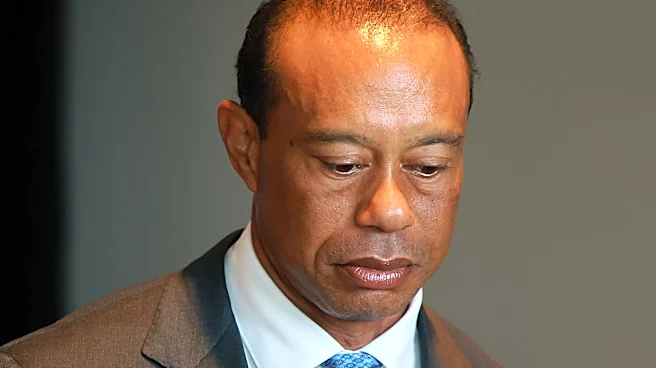



STUART — State Attorney Thomas Bakkedahl has a warning for Tiger Woods.
"If I can send any message to Mr. Woods, it's simply this: Of all the people in the world who should not get behind the wheel of a car it's the gentleman who is one of the most recognizable faces on the planet. Somebody will see it whether it's in Georgia or Nevada, New York or where have you. He's not to drive a car."
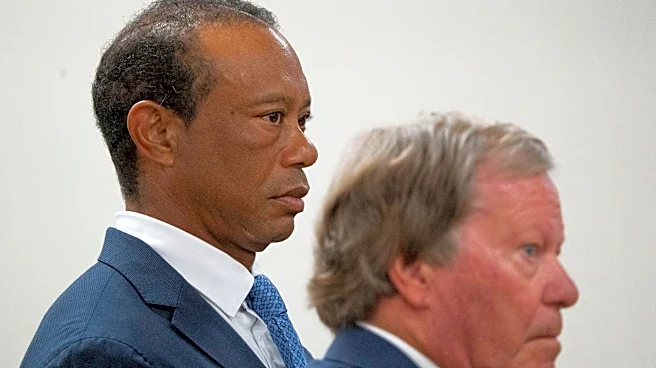
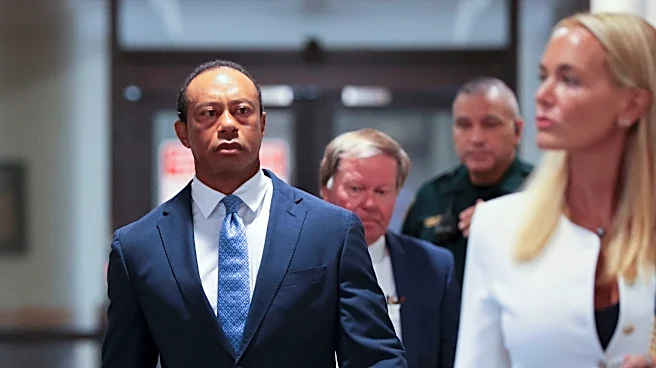
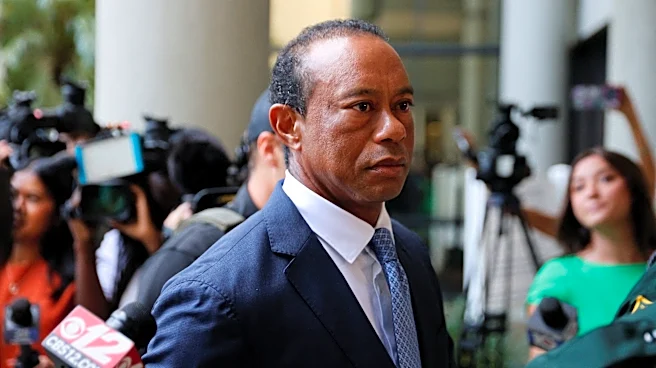
Bakkedahl's message came afterWoods, 50, lost his license for five years after pleading no contest Wednesday at the Martin County Courthouse to the reduced charge of reckless, willful driving, which comes with a five-year license suspension and $1,000 fine. The no-contest means he accepted the punishment without formally admitting guilt.

Woods' refusal to submit
to a sobriety test when he was arrested in March comes with a five-year license suspension and $500 fine. The two license suspensions will be served concurrently.
"At the end of the day, Mr. Woods admitted to his actions," said Bakkedahl, the state attorney for the 19th judicial circuit. "He admitted to reckless driving, second offense. He was fined to $1,000. With regards to the refusal, $500 fine."
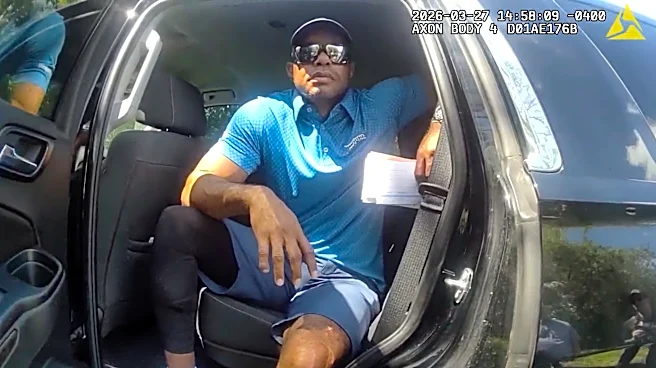
Woods, the 15-time major champion, was arrested March 27 on charges of DUI with property damage and refusal to submit to a DUI test after the crash on South Beach Road, not far from his Jupiter Island home.
Bakkedahl said his office was forced to refile the DUI charge to reckless driving after two toxicologists said there was no proof Woods was under the influence of hydrocodone.
"Both toxicologists reviewing the information were of the opinion there was insufficient proof — I don't make the facts, I accept them as they are brought to me — of his impairment," Bakkedahl said.
Tiger Woods has built up a tolerance to hydrocodone

Woods has built up a tolerance to hydrocodone due to his long term use, Bakkedahl said he was told by the doctors.
"It doesn't impair him," Bakkedahl said. "And if he's not impaired, I can't prove DUI. And if I can't prove DUI, I better come up with another plan."
And while the police report indicated Woods had dilated pupils, that is not a symptom of using hydrocodone.
"We know how much was prescribed and how it was prescribed and based on that and the fact when Mr. Woods was arrested he had two hydrocodone tablets in his pocket, we know he was taking it pursuant to the prescription, the fact that we need to take into consideration we didn't know initially," Bakkedahl said.
"If Mr. Woods took the prescription as prescribed, in all probability based on the timeline we subsequently developed, he would have no longer been impacted or significantly impacted by his medication."
As a result, Bakkedahl said the strategy was to refile the case as reckless driving, adding their "ace in the hole" was Woods refused to provide a urine sample, which is a crime in the state of Florida.
"I know people are out there and they're saying 'Mr. Woods is going to get special attention due to his wealth and his fame and his popularity,' " Bakkedahl said. "And then there are other people, like the guy I rode up the elevator with this morning, who are going to say, 'why in the hell don't you leave this guy alone? Why are you looking to get your 15 minutes of fame on the back on Tiger Woods?' "
Later, when asked what he will say to those who believe Woods got off too easy, Bakkedahl said: "I don't care. I did what I think is right."
Tom D'Angelo is a senior sports columnist and reporter for The Palm Beach Post. He can be reached at tdangelo@pbpost.com.
This article originally appeared on Palm Beach Post: Tiger Woods receives warning after plea: 'He's not to drive a car'