

As Florida voters consider Amendment 3 on the November ballot, The Palm Beach Post is seeking information about how the proposal could affect taxpayers, local governments, public-safety agencies, special districts and the broader economy in Palm Beach County.
The amendment would expand homestead tax exemptions, reduce future growth in some property tax assessments and place new constitutional restrictions on how certain property tax revenues may be used.
Supporters say it would provide meaningful tax relief and promote fiscal discipline. Critics contend it could reduce revenues that support local services and limit the budget flexibility traditionally exercised by local governments under Florida's home-rule system.
The following answers are from
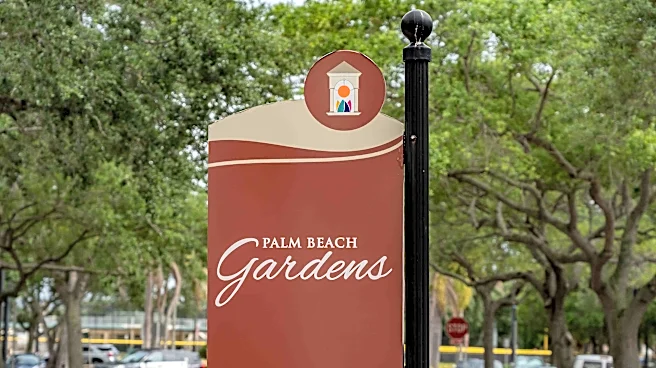
Arienne Panczak, finance administrator for the city of Palm Beach Gardens.
How much would the average homeowner in Gardens save?
The amount would vary depending on the value of the home and the homeowner’s taxable value. Based on our estimates, the additional homestead exemption could save approximately $1,154 per $100,000 of additional exemption in the first year and $2,308 in the second year, across all non-school taxing authorities. The City of Palm Beach Gardens represents approximately 28% of the total property tax bill, with the remaining 72% going to other taxing authorities, so only a portion of that savings would come from City taxes.
How much revenue would Gardens lose?
Based on our current estimates, the City could lose approximately $24 million annually in recurring property tax revenue by Year 2. This represents approximately 23% of the City’s current property tax revenue, a significant reduction to the City’s General Fund.
Would police and fire services be affected? If so, how?
Potentially. Police and Fire account for approximately $101 million, or 57%, of the General Fund budget. While the amendment allows property tax revenue to continue to fund public safety, it does not guarantee a particular funding level. A $24 million recurring revenue loss would require the City Council to evaluate services throughout the entire General Fund, including public safety.
Would fees for parking, recreation, permitting or utilities rise?
Those would be policy decisions for the City Council and no decisions have been made. However, with a recurring revenue reduction of this size, the City would have to evaluate alternative revenues, user fees, service levels and potentially an increase in the millage rate, which could result in higher property taxes for non-homesteaded properties, as part of balancing future budgets.
Would renters, condo owners and businesses ultimately pay more? If so, how?
Potentially. The amendment provides the greatest direct benefit to homesteaded property owners. If cities have to rely more heavily on user fees, assessments, other revenues, or an increased millage rate to offset the lost revenue, some of the cost of providing municipal services could shift to renters, businesses and other property owners. Property owners may also pass increased costs on to renters or businesses through higher rents or lease costs.

What new revenues would you be looking at to make up for the loss?
No decisions have been made. The City would first evaluate expenditures and service levels. Potential revenue options available to municipalities could include utility taxes, solid waste or stormwater assessments, other user fees, and increase to the millage rate. Any option would require further analysis and, where applicable, City Council approval.
What decisions by the council could become more difficult or restricted?
The Council could have less flexibility in determining how to fund public safety, infrastructure, parks and recreation, maintenance, and other municipal services. It could also make it more difficult to respond to unanticipated emergency costs, such as hurricanes, tornadoes, and other natural disasters, while maintaining adequate reserve levels.
Amendment 3 would place constitutional limits on how counties and municipalities may use certain property-tax revenues. Do you believe those provisions would reduce your city's home-rule authority and local control over budgeting? Why or why not?
Yes, to some extent. The amendment would place additional constitutional restrictions on a significant source of municipal revenue. Because property taxes are one of the City’s primary General Fund revenues, additional restrictions would reduce the flexibility of future City Councils to determine locally how best to fund services, respond to community needs and ensure the City continues to meet statutory mandates and required service obligations.
This article originally appeared on Palm Beach Post: What Amendment 3 means for Palm Beach Gardens police, fire, fees