



Have you heard of the deadly chemical called dihydrogen monoxide? It can cause asphyxiation, dangerously dilute your blood, and it’s abundant in the environment. You’re exposed to it daily. Every year I warn my students about this dangerous substance. Then I reveal the biggest shock of all: It’s just water.
In an age of endless spin, outrage bait, and information bubbles, I pull this trick on my high schoolers so they see how easy it is to be manipulated by half-truths. The lesson is one I’ll take from my Palm Beach County classroomto the National News Literacy Conference in Salt Lake City this October.
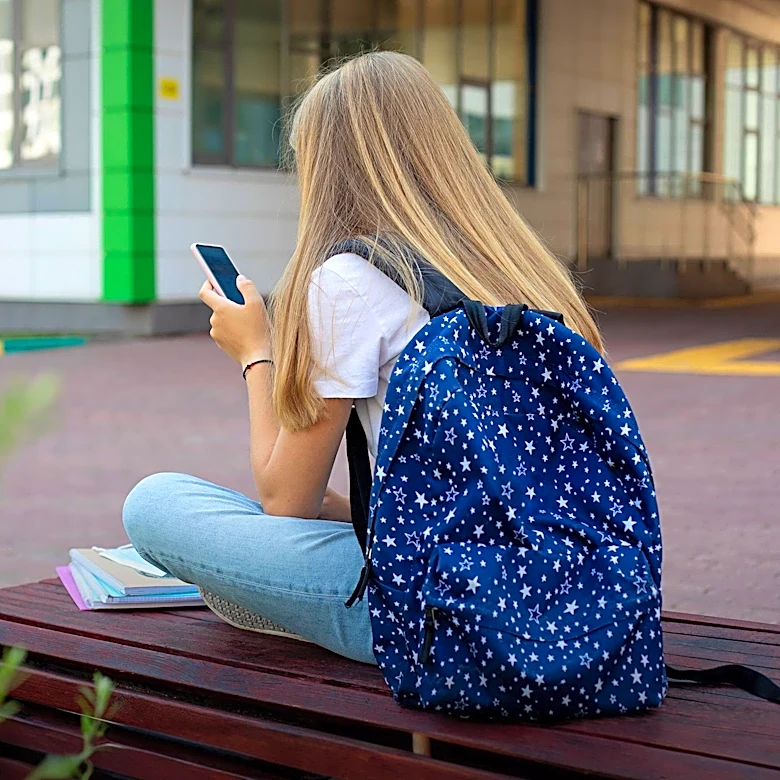
Today’s teens are growing up in an attention economy. Social media platforms and influencers compete for their eyeballs, clicks, and likes. That
often means the most outrageous posts rise to the top, regardless of how true they are.
I start by modeling some of the same tactics. I describe dihydrogen monoxide as a chemical linked to corrosion, industrial applications, and thousands of deaths each year, conveniently leaving out the fact that it’s water.
Many students fall for the scientific-sounding name, the technically true claims, and the seriousness of the presentation. It feels official. It feels researched. Then there’s the fact that I’m their teacher, a trusted messenger much like the creators and influencers they turn to online.
Once they’re convinced, we vote on whether the chemical should be restricted. Many are ready to ban or regulate it. Others are skeptical. Some wait to see where the room is going before deciding. That matters too. Misinformation works on more than ignorance. It exploits emotion, trust, peer pressure, and quick reactions.
Then comes the reveal. I write the chemical formula on the board: H2O.
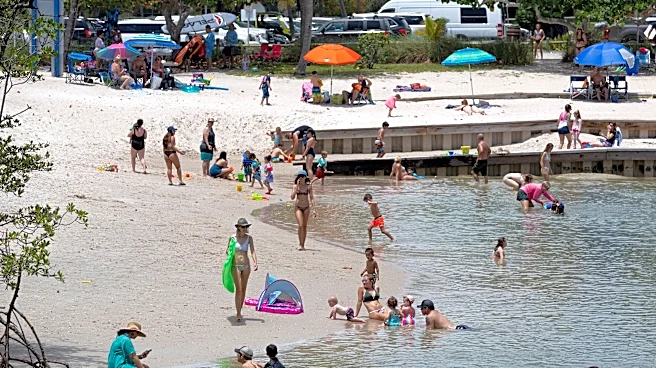
![Families frolic in the lagoon at DuBois Park in Jupiter Saturday, May 23, 2020. [LANNIS WATERS/palmbeachpost.com]](https://www.gannett-cdn.com/authoring/authoring-images/2026/09/01/NPPP/91567577007-052420-mem-weekend-10.JPG)
There is usually a second or two of silence before it clicks. Then come the groans, laughter, and accusations that I tricked them. I did.
But every claim I made was based on something true. Water can kill people. Water is used in industry. Water causes corrosion. The problem wasn’t that the facts were false. The problem was that the facts were incomplete.
That distinction matters. A claim doesn’t have to be fabricated to mislead someone. Facts can be cherry-picked, stripped of context, wrapped in loaded language, and presented by someone we trust.
After the reveal, students investigate the claims and the techniques I used. They practice lateral reading, opening a new tab to investigate a source by seeing what other sources say about it rather than trusting what the source says about itself.
They also practice identifying different types of information and their purposes. That sounds basic until you look at the numbers. A 2024 News Literacy Project survey found that only 18% of teens correctly answered all three questions asking them to distinguish among information types such as news, advertising, opinion, and entertainment.
It’s hard to decide how much to trust something if you can’t tell whether it’s trying to inform you, sell you something, change your mind, or make you laugh.
The lesson ends with students creating a “Stop Before You Share” corrective message. The idea is simple: slow down long enough to ask who made something, what evidence supports it, what might be missing, and whether it deserves your trust before helping it travel farther.
The goal is healthy skepticism, not cynicism. I want students to become harder to fool without becoming impossible to inform.

These are taught skills. Being immersed in information all day doesn’t mean students innately know how to sort through it. Without explicit news-literacy instruction, we leave them vulnerable to half-truths delivered by people and platforms that are very good at getting their attention.
My students usually remember the day I tricked them with water. I hope they remember the more important part too: Facts matter, but facts without context can still fool you.
Eric Jourgensen teaches journalism, broadcast journalism, and yearbook at Palm Beach Central High School in Palm Beach County. This essay was adapted from a presentation he will give at the National News Literacy Conference in October in Salt Lake City.
This article originally appeared on Palm Beach Post: How I trick students to expose how misinformation works | Opinion