




West Palm Beach did not arrive at this moment by accident.
Vanderbilt University is advancing plans for a graduate campus in our downtown. Cleveland Clinic is moving forward with a major expansion that includes a new hospital and expanded outpatient care. These are votes of confidence in a city that has spent years building the conditions for opportunity through thoughtful, disciplined growth.
That same commitment — to plan carefully, listen seriously, and prepare for the future — is at the heart of the Downtown Master Plan Update.
Some have characterized my recent engagement with neighborhood associations and my decision to move forward with the Downtown Master Plan Update as a sudden turnabout. The public record tells a different story. Community
engagement on the future of downtown began well before the Neighborhood Partnership Network was created.
Beginning in March 2025, the city held four public Visioning Discussions with expert presentations, community conversations, and public question-and-answer sessions. The city also held nine stakeholder meetings with neighborhood-based organizations and institutions, including repeated meetings with the Historic Northwest community, a neighborhood walking tour, and meetings with the Downtown Neighborhood Association and other stakeholders. The proposal has also moved through the city’s established public review process.
The Neighborhood Partnership Network added another layer of structured connection among neighborhood representatives, the Mayor’s Office, and the city departments responsible for planning, transportation, utilities, engineering, and other technical issues. Since July 2026, meetings have focused on the planning process, traffic and mobility, infrastructure, parking, building height and density, workforce housing, development rights, and the state’s Live Local Act.
Participants were encouraged to submit questions for city professionals and received presentations, maps, planning documents, and technical explanations. The purpose was not to manufacture agreement. It was to give residents meaningful access to information and to ensure their concerns were heard before final decisions were made.
That engagement has mattered. One clear example is the current proposal’s removal of the additional height incentive proposed for the Flagler Waterfront District, leaving the district’s existing height incentive limit in place. That change does not mean every participant will agree with every part of the update. It does demonstrate that listening can lead to a different outcome when the facts and community concerns warrant it.

Public engagement, however, cannot mean that no decision may be made until everyone agrees. In a growing city, unanimity is rarely possible. My responsibility as mayor is to listen, ask hard questions, weigh competing interests, and then lead. Disagreement is not proof that engagement failed, just as holding a meeting does not obligate the City to adopt every position presented in it.
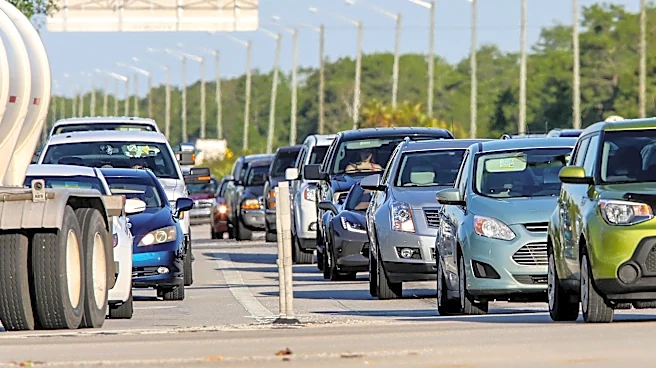
We should also be honest about what is at stake. West Palm Beach is experiencing significant investment, but the data does not show runaway population growth. From 2020 through 2025, annual population growth averaged 1.7%, below the average annual growth rate experienced from 2000 to 2010. But responsible planning means preparing for the impacts of growth, regardless of its pace. Growth increases demands on roads, utilities, public safety, parks, and housing. That is why planning cannot begin after development arrives. The city maintains long-range plans for water, wastewater, stormwater, and mobility, and is already assessing future infrastructure needs where Vanderbilt, Cleveland Clinic, and other investments are planned.
Institutions such as Vanderbilt and Cleveland Clinic do not make major, long-term commitments to communities that lack direction. These opportunities reflect sound planning, economic vitality, and confidence in our future.
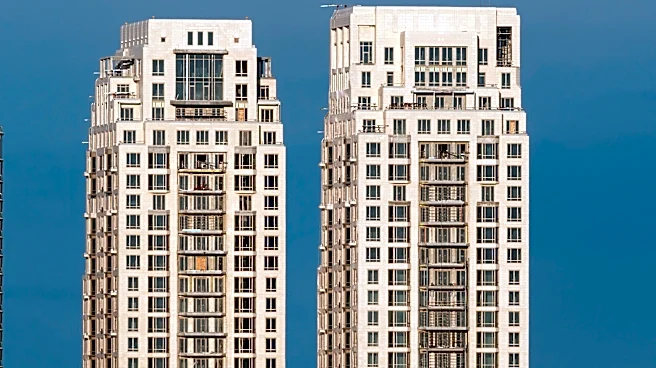
The choice before West Palm Beach is not between unlimited development and no development. More than 70% of the city’s designated land use is designated for low-density, low-impact uses, including single-family neighborhoods, conservation, utilities, and community services. Higher-density development is concentrated in a relatively small portion of our city, particularly downtown, where it belongs—supporting a walkable, vibrant urban core while protecting the character of our lower-density neighborhoods.
The real question is whether we will manage growth thoughtfully — directing it to appropriate areas, protecting established neighborhoods and our waterfront, demanding high-quality design, planning for mobility and infrastructure, and ensuring prosperity reaches residents throughout our City.

That is what the Downtown Master Plan Update is intended to do. It is not permission to build anything anywhere. It is a framework that sets expectations, establishes limits, and guides private investment. Without an updated plan, growth does not disappear; the City simply becomes less prepared to shape it.
My position has been consistent: West Palm Beach should welcome input, improve proposals when warranted, and continue moving forward. We can respect the voices of residents without abandoning the economic momentum bringing better jobs, world-class education, expanded healthcare, and new opportunity to our community.
We have listened, and we will continue to listen. We must also have the confidence to lead. West Palm Beach’s future depends on our ability to do both.
Keith A. James is the mayor of West Palm Beach.
This article originally appeared on Palm Beach Post: West Palm’s future requires both listening and leadership | Opinion