




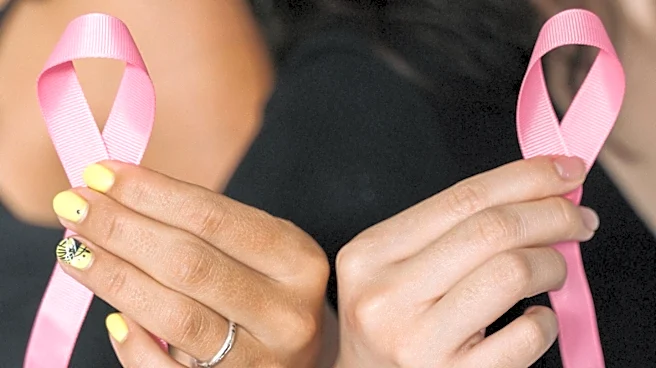
October is Breast Cancer Awareness Month, but for me, breast cancer has never been a season. It is a promise I have spent most of my life trying to keep.
Susan "Suzy" G. Komen was more than my sister. She was my best friend and, in so many ways, my north star. When she was diagnosed with breast cancer in the late 1970s, the disease was still discussed in whispers. Information was scarce, research was terribly underfunded, and too many women were left frightened, powerless and alone.
Before Suzy died at just 36, she made me promise I would do everything I could to make breast cancer better for other women. I said yes. I had no idea how I would do it. I began with $200 and a shoebox filled with the names of people I thought might help. What followed
became a movement that helped change the way America talked about breast cancer and accelerate research, awareness and treatment.
Women today have more information, more options and, most importantly, more time than Suzy had. Earlier detection, better imaging, genetic discoveries and more targeted treatments have transformed what a breast cancer diagnosis can mean.
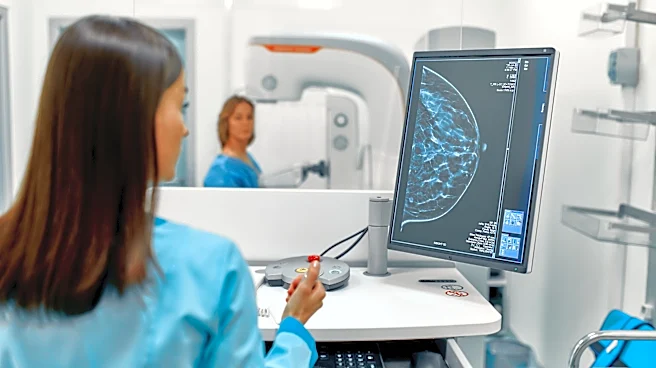
But, progress only matters if women can reach it. Too many women still do not benefit from these advances, not because medicine has nothing to offer them, but because they cannot afford a mammogram, cannot get to an appointment or do not know where to turn.

The 5-year relative survival rate for early-stage cancer diagnosed at the localized stage is over 99%. Women who receive regular screenings for breast cancer have a 26% lower breast cancer death rate than women who do not receive screenings. That is why I created Promise Fund.
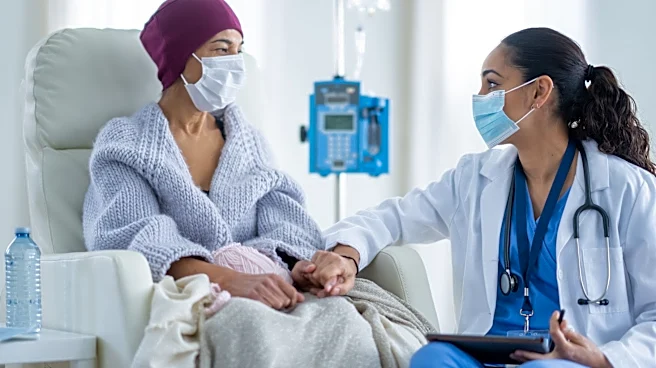
Our team works to make screening, diagnosis and follow-up care accessible to women who too often fall through the cracks, particularly those who are uninsured or underserved. And a mammogram is only the beginning. If something is found, a woman may need diagnostic testing, specialists, treatment, transportation, financial assistance and someone she trusts to help her navigate a complicated healthcare system. Our patient navigators stay beside women from screening through completion of care, helping remove obstacles that can become life-or-death barriers.
I understand the fear of hearing the words, “You have breast cancer.” Four years after losing Suzy, I heard them myself. I was 37 years old. My son was only eight. I often think about women hearing those same words while also wondering how they will pay for treatment, get to the doctor or care for their children. No woman should have to face cancer and those barriers at the same time.
We know early detection can save lives. It can also reduce the physical, emotional and financial burden of advanced disease and give women a better chance to remain with their families and live the lives they have built.

So this October, I am asking us to recommit to something simple: Every woman deserves access to an affordable, accurate mammogram and timely answers and care that must follow. Where a woman lives, what she earns or whether she has health insurance should never determine whether her breast cancer is found in time. We have changed what is possible with breast cancer. Now we must make sure that progress reaches every woman who needs it.
I made a promise to Suzy all those years ago, and I intend to keep it. I hope you will help me because early detection saves lives, and every woman deserves that chance.
Nancy G. Brinker is a former ambassador and founder of the Susan G. Komen (Race for the Cure) and Promise Fund.
This article originally appeared on Palm Beach Post: October is Breast Cancer Month, but for me it's personal | Opinion