


It's Columbus Day, afederal holiday that is also celebrated asIndigenous Peoples’ Day in many parts of the country.
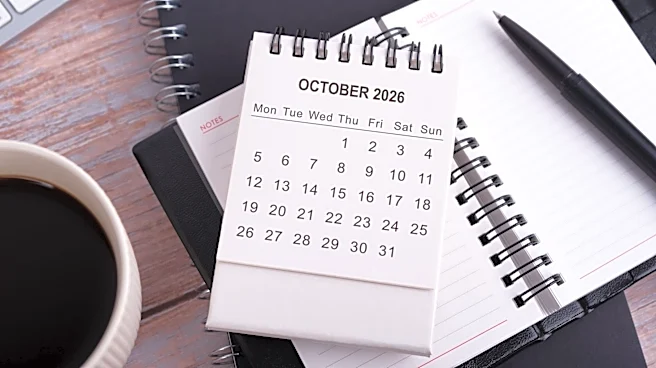
Columbus Day falls on Monday, Oct. 12, 2026. The date is also recognized as Indigenous Peoples’ Day in many states and communities across the country, although it is not a separate federal holiday.
There has been an ongoing effort to formally designate Indigenous Peoples’ Day a federal holiday, according to History.com. In 2021, President Joe Biden became the first president to officially recognize Indigenous Peoples' Day on the same date as Columbus Day. Several states recognize both Indigenous Peoples' Day and Columbus Day on the same day.
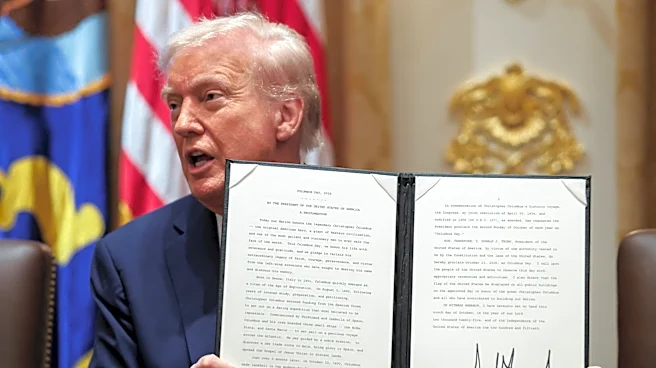
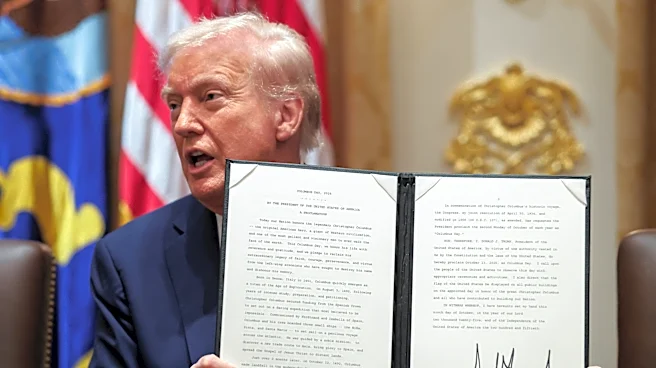
"Our country was conceived on a promise of equality and opportunity for all people — a promise that,
despite the extraordinary progress we have made through the years, we have never fully lived up to. That is especially true when it comes to upholding the rights and dignity of the Indigenous people who were here long before colonization of the Americas began," the president wrote in his proclamation.
Here's what to know about Columbus Day and how Indigenous Peoples' Day came to be.
Is today a federal holiday?
Yes, Monday, Oct. 12 is Columbus Day, a federal holiday that is also celebrated as Indigenous Peoples’ Day in many parts of the country.
What is Indigenous Peoples’ Day?
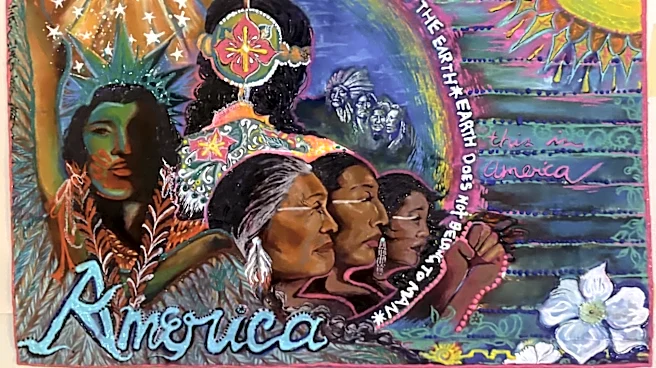
Indigenous Peoples’ Day recognizes the history, cultures and contributions of Native Americans, whose ancestors lived throughout the Western Hemisphere for thousands of years before Christopher Columbus arrived in the Americas in 1492.
The holiday also brings attention to the impact of European colonization on Indigenous populations, including widespread loss of life, land and cultural traditions.
According to the Smithsonian’s National Museum of the American Indian, European contact had devastating consequences for Native communities. Researchers estimate that Native America lost 95% of its population in the 130 years following initial European contact, as disease, warfare, enslavement and forced displacement affected Indigenous communities, the museum states.
The museum also emphasizes that Indigenous peoples and their cultures continue to thrive today, with the holiday recognizing their resilience and contributions to American society.
Why are some states abandoning Columbus Day?
The grade school lesson about the explorer Christopher Columbus sailing the "ocean blue" is incomplete.
Indigenous communities lived in the Western Hemisphere for tens of thousands of years before Columbus arrived and contact with European colonies led to devastating loss of life, tradition and land for American Indians, according to the Smithsonian National Museum of the American Indian.
Natassia Paloma may be reached at npaloma@gannett.com, @NatassiaPaloma on X, natassia_paloma on Instagram, and Natassia Paloma on Facebook.
This article originally appeared on El Paso Times: Is today a holiday? Columbus Day, Indigenous Peoples' Day explained