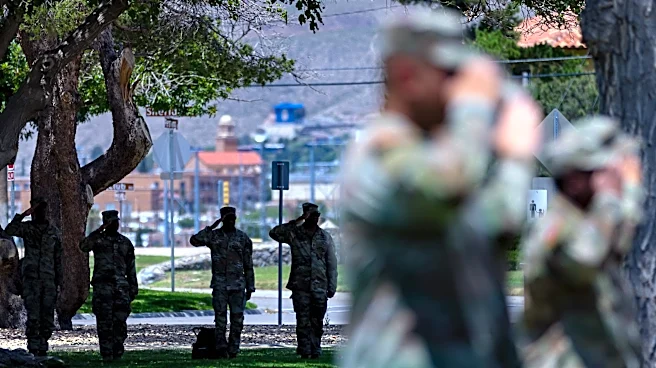





Recently, I sent my son off to his sophomore year of college. It was a painful goodbye, but also a proud one as he follows in his family’s footsteps. His dad is a combat veteran still living with the physical consequences of blast exposure.
During Christmas dinner, my heart broke as I saw his hands shake so badly that he couldn’t even hold his own plate. You would think America looks after its wounded heroes. But that’s not the reality we have faced.
Being part of a military family, I’ve learned that being entitled to benefits from the U.S. Department of Veterans Affairs (VA) and accessing those benefits are two different things.
Despite having served his country and receiving a 70% disability rating, my son’s father has faced substantial difficulty
providing for himself while trying to navigate a VA system that’s meant to support people like him.
Our wounded heroes are expected to become experts in filing requirements, paperwork, and the VA appeals process just to access the disability benefits they’ve already earned. The process is even more difficult for those whose service has left them struggling mentally or physically.
As an education advocate and former public-school teacher, I’ve spent years fighting for Texas families and children to have a choice rather than being forced into a one-size-fits-all, government-controlled system. That was at the heart of Texas’s Education Freedom Accounts (TEFA) program, which provides state funds to help families pay for the educational options that work best for their children. I fought for school choice because I think families deserve control over the decisions that directly affect their lives. I believe our veterans deserve the same courtesy.

If veterans need private assistance to help them secure disability benefits, why would the government stand in the way? Qualified private services can help veterans gather documentation, file applications, explain requirements, and guide them through the broader VA claims process.
This isn’t about replacing the VA or eliminating government benefits. It’s about giving those who wore the uniform another option when the existing claims process is too complicated, too time-consuming, too slow, or too difficult to navigate alone. Veterans have different circumstances and different needs; a one-size-fits-all approach won’t work for everyone.
Texas veterans have different circumstances and different needs. A system that works well for one person may not work for another. Texas has long valued the idea that people closest to a decision should have a meaningful say in how they make it, and veterans deserve that same respect.
Government should empower veterans with choices rather than forcing them through a single bureaucratic channel. Policymakers should focus on making the system work for veterans, not making veterans work for the system.
Veterans make enormous sacrifices when they choose to defend our country. I’ve witnessed firsthand how their service comes with real physical consequences. Seeing my son’s father struggle has reminded me that these are not abstract policy problems. They affect parents and family members who shouldn’t have to wage another battle at home just to access the benefits they’re owed. Our veterans deserve a government that keeps its promises and trusts them to choose the best path forward.

Cassandra Posey was a leading activist in the movement to successfully pass school choice in Texas. She is a mother of five.
This article originally appeared on El Paso Times: OPINION: A veteran's battle shouldn't continue at home