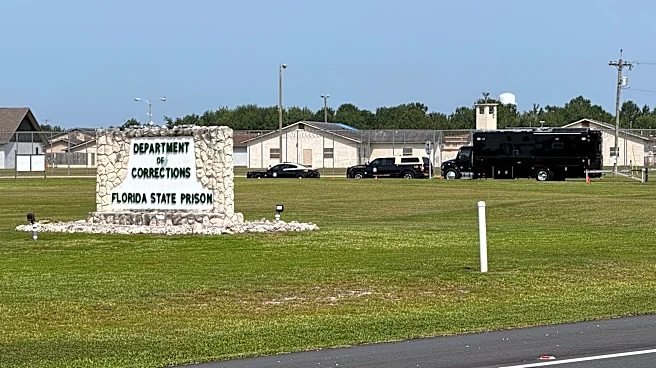




Gov. Ron DeSantis has not only drastically increased the number of executions in the state in the past 21 months, but he's also bringing back a historical tradition: putting two people to death on the same day.
As all eyes were on Tennessee's botched execution for Christa Pike, who somehow survived two lethal shots of pentobarbital, DeSantis on Oct. 1 issued a death warrant for James Robertson, a prison inmate who murdered his cellmate in 2008 because he wanted to be on death row.
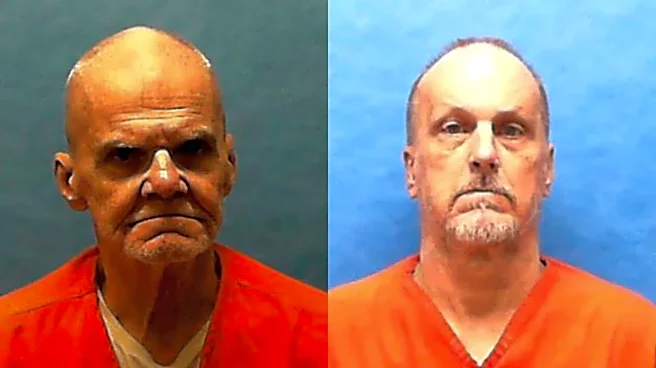
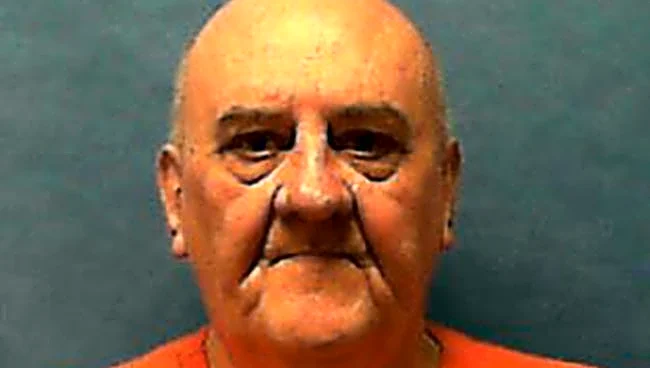
Robertson is now scheduled to die on Oct. 13, just hours before the previously scheduled execution for William Lee Thompson (for the 1976 kidnapping, sexual assault and murder of 23-year-old Sally Ivester) and ahead of William Reaves Jr. (for the 1986 murder of Indian
River County sheriff's deputy Richard Raczkoski) on Oct. 20.
This will be Florida's second double execution this year, after former Mascotte police officer James Duckett and Dominick Occhicone were both executed within hours of each other on July 29.
Before that, you have to go back 62 years.
Has Florida held double executions before?
In the past, it wasn't unusual for multiple hangings or executions to happen on the same day in Florida.
According to records from the Florida Department of Corrections, the state put to death two or more people on the same day 32 times between 1924 and 1964. The last double execution included the last two people to be executed in Florida before the death penalty was halted while courts reviewed the constitutionality of capital punishment.
Emmett Clarke Blake and Sie Dawson were both executed for murder on May 12, 1964. Blake was convicted of murdering Johnny Beverly during a 1962 robbery in Panama City, while Dawson was convicted of murdering Maggie Clayton and her 2-year-old son Roger in Gadsden County in 1960. Those were the last executions in Florida for the next 15 years.
The U.S. Supreme Court struck down death penalty laws nationwide in 1972. Florida commuted 96 death-row sentences to life imprisonment, but quickly drafted a new death penalty statute in case the death penalty resumed. It did, four years later.
Are double executions safe?
In July's Duckett-Occhicone double execution, attorneys for both men filed a joint emergency motion with the 11th Circuit Court of Appeals, stating that Florida's decision to execute both men six hours apart made it more likely for one or both men to undergo "cruel and unusual punishment."
"By combining Mr. Duckett’s execution day with Mr. Occhionne’s, the risk of a botched execution is exponentially increased due to factors including the impact of the prison and execution teams not being prepared to conduct two executions on the same day and the risk of errors with the lethal injection drugs," the July 23 motion read.
The motion referenced the death of Clayton Lockett, who suffered extreme pain following his injection of Oklahoma's new, untested three-drug combination on April 29, 2014. An attending doctor found that an IV connection had failed due to a collapsed vein, and not enough of the lethal drugs had been administered. Lockett died after 43 minutes of a heart attack. Republican Gov. Mary Fallin, who had pushed hard for the new drugs to be used, ordered a review of the process and a 14-day stay for the inmate scheduled to die two hours after Lockett, Charles Warner.
The Florida Supreme Court, in its denial of Duckett and Occhicone's motion, recognized the botched Oklahoma execution. However, it said the men had not proven that Florida's execution protocol would have the same results.
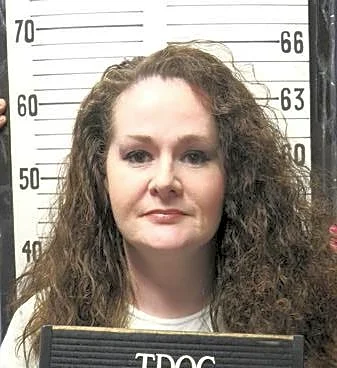
What happened to Christa Pike?
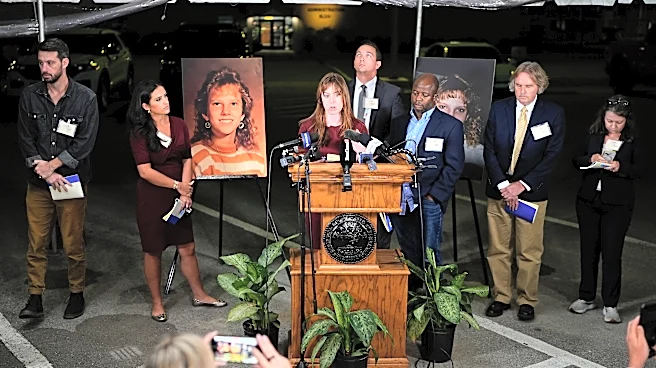
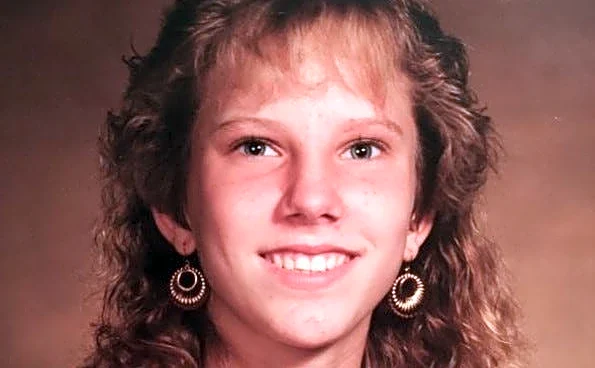
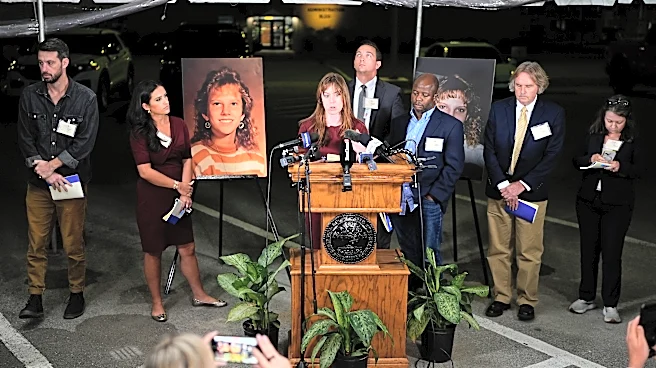
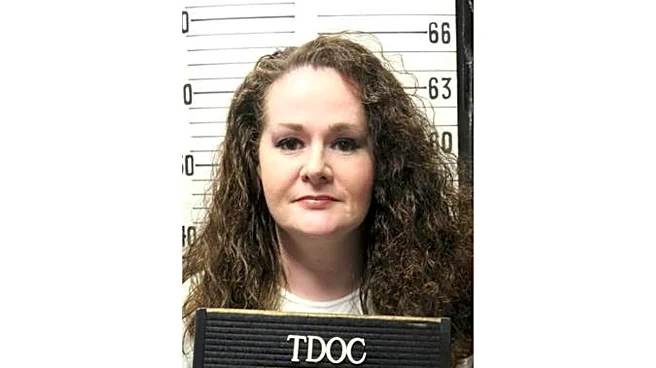
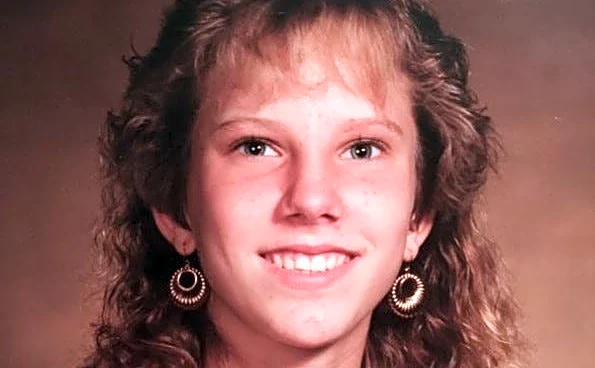
Christa Pike, sentenced to death in Tennessee for the 1995 murder of 19-year-old Colleen Slemmer in Knoxville, survived her planned execution on Sept. 30 after being injected with two doses of the lethal drug pentobarbital. Witnesses said they could still hear Pike breathing after officials closed the blinds, and breathing and snoring later.
Pike was rushed to an undisclosed hospital, where she is "alive right now and receiving life-saving medical care," attorney Randy Spivey said during a news conference Oct. 1. Pike is reported to be in critical condition.
On the night of the botched execution, Pike's attorneys pointed out they had predicted it.
"We take no pleasure in being right, but the concerns raised by Ms. Pike proved to be true: difficult vein access, blown veins, degraded pentobarbital, no emergency medical care available when things inevitably go wrong, all under a protocol that remains veiled in secrecy."
Pike's botched execution comes months after Tennessee failed to execute Tony Carruthers after healthcare workers spent more than an hour trying to establish IV access as Carruthers groaned in pain. Tennessee Gov. Bill Lee issued a reprieve for Carruthers for one year and ordered a review of the process.
Are Florida's executions humane?
Attorneys for condemned inmates and anti-death-penalty advocates have called for a stop to executions in Florida following the release of documents that seem to show improperly handled and administered drugs. It has been estimated that between 1890 and 2010, 7.2% of lethal injections were botched, a rate higher than any other method and nearly four times as high as that for electrocution, according to deathpenaltyinfo.org.
In November 2025, attorneys for Frank Walls cited released records of FDOC execution logs of 13 executions between Feb. 13 and Sept. 30 to show "negligent administration of its lethal injection protocol" by using lower dosages, or using expired or even unauthorized drugs, along with "a wide range of errors," including drug removal records apparently entered the day or even days after the execution occurred.
In an appeal for Dennis Michael Sochor, later executed in July, his attorneys referenced released autopsy records for 33 Florida inmates executed since 2017. Each one suffered flash pulmonary edema, the appeal argued, which causes frothy fluid in the lungs, bronchi, or trachea and the feeling of drowning. The duration between the first injections and the times of death also showed that the initial painkiller didn't last long enough to prevent the condemned prisoners from feeling the effects before dying, the attorneys said.
Further requests for more log records from multiple defense attorneys to prove state malfeasance have been denied. Appeals on these grounds have also consistently been denied by both the Florida Supreme Court and the U.S. Supreme Court.
Florida to match 2025 record of executions
With Robertson's death warrant, DeSantis matches the 19 death warrants he issued in 2025. The previous record for one year in Florida was eight.
Florida has already put 16 people to death in 2026, more than the 13 people executed in all other U.S. states combined.
C. A. Bridges is a journalist for the USA TODAY Network-Florida's service journalism Connect team. You can get all of Florida’s best content directly in your inbox each weekday by signing up for the free newsletter, Florida TODAY.
This article originally appeared on Sarasota Herald-Tribune: Christa Pike case renews questions about Florida double executions