








Florida swimmers are already familiar with Vibrio vulnificus, the so-called "flesh-eating bacteria" that thrives in brackish water where freshwater and seawater meet. Another deadly threat, known as the "brain-eating amoeba," can be found in warm freshwater. Although infections are extremely rare, they are almost always fatal.
At least two U.S. cases of primary amebic meningoencephalitis (PAM), caused by Naegleria fowleri, have been reported so far this summer. A Louisiana child has died and a North Carolina teenager became seriously ill after exposure to contaiminated freshwater.
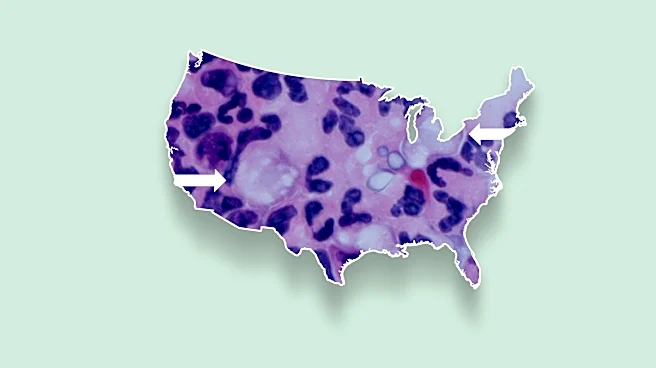
But Sunshine State residents should be aware of the dangers, as Florida has reported the most U.S. cases of brain-eating amoeba infections in the last 88 years, behind
only Texas, according to the Centers for Disease Control and Prevention.
What is Naegleria fowleri?
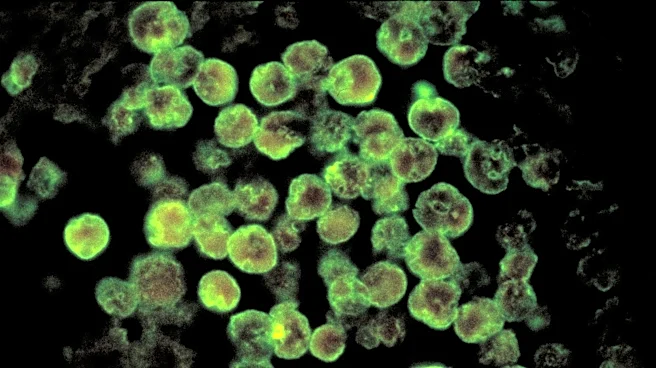
According to the Centers for Disease Control and Prevention, Naegleria fowleri can travel up the nose to the brain, where it can eat brain tissue.
Naegleria fowleri is usually found in warm freshwater lakes, ponds, hot springs, and rivers. People can become infected when contaminated water enters the nose, most often while swimming or diving.
Although the disease infects fewer than 10 people a year in the U.S., it progresses quickly, and nearly everyone who gets PAM dies from it, the CDC said.
How many people have died of brain-eating amoeba infections in Florida?
Between 1937 and 2025, Florida reported 37 Naegleria fowleri infections, nearly all of them fatal. Only Texas reported more, with 40.
Most recently, a Charlotte County resident died in 2023, possibly after using tap water to flush his sinuses, health officials said.
Caleb Ziegelbauer, who was 13 when he was infected at Port Charlotte Freshwater Beach in July 2022, survived after months of treatment in a Fort Myers children's hospital and a transfer to a Chicago hospital.
What are the symptoms of Naegleria fowleri or brain-eating amoeba infection?
Early symptoms of PAM can include fever, nausea, and vomiting. As it progresses, it can lead to stiff neck, confusion, lack of attention to people and surroundings, loss of balance, and hallucinations.
PAM progresses rapidly, usually leading to coma and death after five days, the CDC said.
How can you protect yourself from brain-eating amoebas?
It can be difficult to completely avoid water activities during Florida's scorching summers, but there are steps you can take to reduce your risk of contracting the deadly infection:
- Wear a nose clip or hold your nose before diving or jumping into freshwater.
- Avoid digging in shallow water, as that's where the amoeba is more likely to live.
- Always keep your head above water in hot springs.
- Use distilled or boiled tap water when rinsing your sinuses or cleansing your nasal passages.
Infections often happen when it's been hot for long periods, resulting in higher water temperatures and lower water levels.
C. A. Bridges is a journalist for the USA TODAY Network-Florida's service journalism Connect team. You can get all of Florida’s best content directly in your inbox each weekday by signing up for the free newsletter, Florida TODAY.
This article originally appeared on Sarasota Herald-Tribune: Florida 2nd in US in lethal brain eating amoeba cases. How to avoid it