






It's time to offer some facts about the planned remote tower system at Venice Municipal Airport.
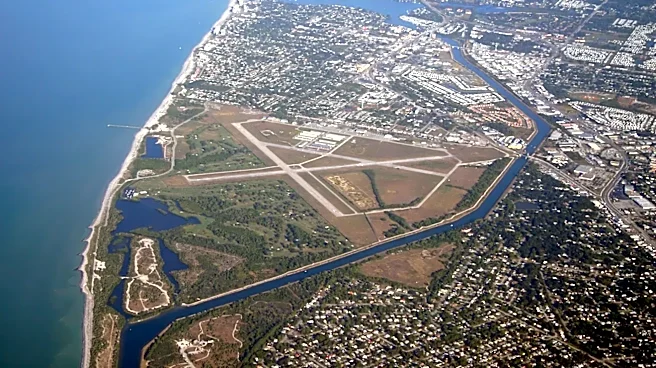
Venice Airport has become a high priority for both the Florida Department of Transportation and the Federal Aviation Administration (FAA) to receive an air traffic control tower.

Instead of constructing a traditional, expensive concrete tower, the Venice airport is expected to adopt a remote tower system. This system utilizes a camera system mounted on a utility type pole with the tower controllers housed in a separate airport building.
A model for this approach already exists at Bartow Executive Airport in Bartow, which is about 90 miles northeast of Venice.
This airport is transitioning to remote tower operations, and a group of Venice pilots recently
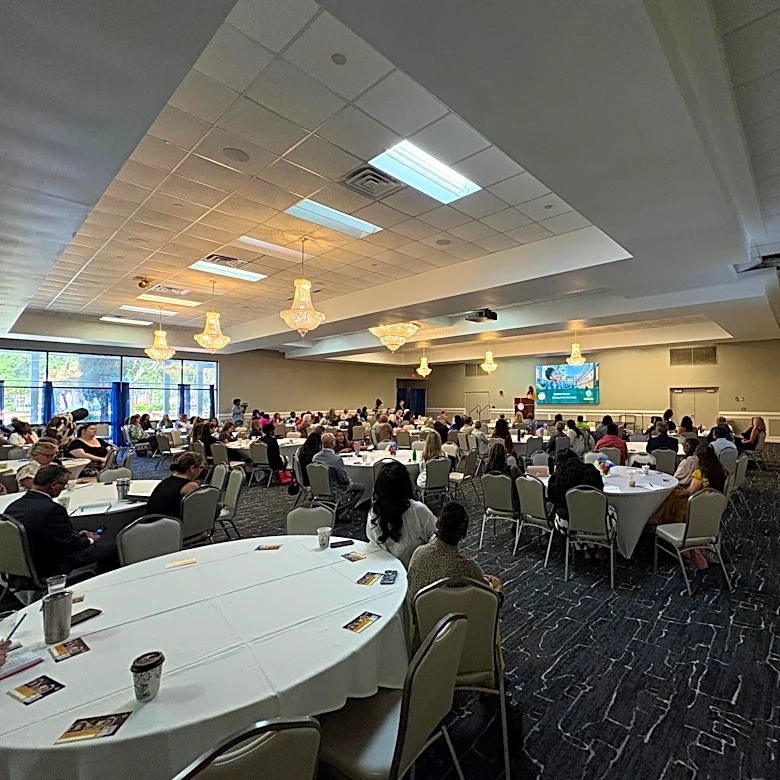
met with Bartow air traffic manager Jeremy McArthur to tour the facility and observe the remote tower system firsthand. When fully operational, Bartow’s remote tower will serve both the Bartow and Winter Haven airports from the same location.
During the tour, the group met air traffic controller instructor Randy Clayton – a former Navy controller – who explained the facility’s structure.

One half of the building houses the Traviss Technical College Tower Controller School, developed by Polk County Public Schools. The other half houses the control rooms for the Bartow and Winter Haven airports.
The one‑year program guarantees a graduate a tower controller position with a starting salary of about $100,000. Tuition is approximately $25,000 for Florida residents and $42,000 for nonresidents, with only a high school diploma required for admission.
Graduating students have already been placed at various control towers.
Remote tower system has benefits
Venice Airport Director Nick Dumas has visited Bartow and is working with the Florida Department of Transportation, the Federal Aviation Administration and Venice city officials to bring a remote tower to Venice in the near future.
One potential benefit is that noise‑abatement: procedures issued by tower controllers would become mandatory rather than voluntary, unlike the current voluntary Fly Friendly guidelines.
This would direct aircraft, when wind permits, to specific runways and departure headings that avoid noise‑sensitive areas.
A remote tower also offers safety and cost advantages.
The camera system requires only a utility‑style pole installation, avoiding the major expense of constructing a brick‑and‑mortar tower.
The Florida Department of Transportation has identified Venice as one of the five busiest non‑towered airports in Florida and appears willing to help finance the system.
We would also like to address these current misconceptions: installing an air traffic control tower will not convert Venice Airport into a commercial airport – nor are runway extensions planned for commercial airline traffic.

The region is already commercially served by the airports in Sarasota and Punta Gorda.

Overall, the remote tower presents Venice Airport with a practical, affordable path to improved safety, more reliable air traffic control and stronger tools for managing community noise concerns while preserving its role as a general aviation facility.
John Moeckel and Dave Wimberly are Venice-area pilots.
Support local journalism by subscribing.
This article originally appeared on Sarasota Herald-Tribune: The facts about Venice Airport's planned remote tower system | Opinion