








Cases of dengue fever — sometimes called breakbone fever — have jumped again in Florida, with 38 new locally acquired cases reported in one week by the Florida Department of Health.
That brings the statewide total of dengue cases to 111for the year as of Sept. 5.
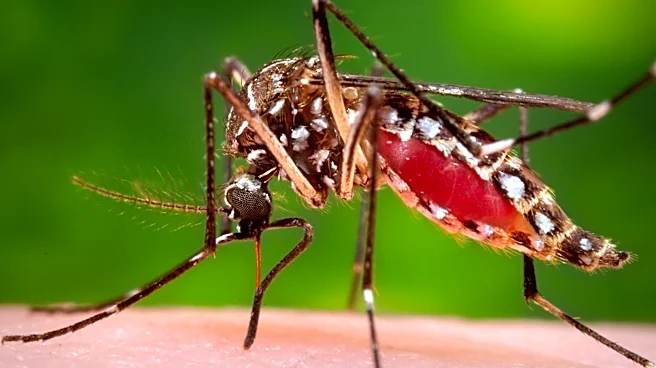
➤ Meet the mosquito, the world's deadliest animal
Hillsborough County continues to lead the state in the number of locally acquired cases of dengue, jumping from 59 to95 confirmed cases in one week.
The FDOH is also seeing a few confirmed cases of West Nile virus, although none have been reported since Brevard County issued a mosquito-borne illness advisory Sept. 3.
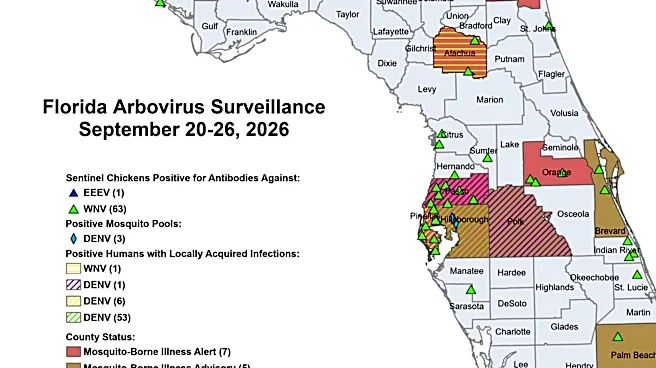
Currently, 11 counties are under either a mosquito-borne illness advisory or mosquito-borne illness alert.
Shop Amazon for mosquito
repellents
The mosquito-borne illnesses are among several monitored by the state agency.
Here's what you should know about mosquito-borne illnesses in Florida, symptoms to watch for, and how best to prevent mosquito bites.
How many types of mosquito-borne illnesses are there in Florida?
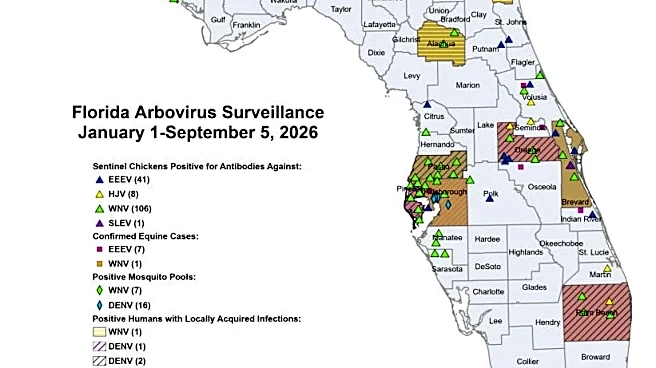
FDOH compiles weekly data on the following mosquito-borne viruses in a report called "Florida Arbovirus Surveillance":
- West Nile virus (WNV)
- Eastern equine encephalitis virus (EEEV)
- St. Louis encephalitis virus (SLEV)
- Dengue virus (DENV)
- Chikungunya virus (CHIKV)
- Zika virus (ZIKV)
- California encephalitis group viruses (CEV)
- Malaria
Mosquito-borne illness alerts, advisories issued for these Florida counties
A mosquito-borne illness advisory has been issued for the following counties:
- Alachua
- Brevard
- Duval
- Leon
- Orange
- Palm Beach
- Pasco
- Walton
A mosquito-borne illness alert has been issued for the following counties:
- Hillsborough
- Miami-Dade
- Pinellas
"A mosquito-borne illness advisory means the public should take precautions to reduce mosquito bites due to factors indicating local disease such as positive sentinels, very few presumptive or positive human cases, or other justifications," according to Sarasota County.
"A mosquito-borne illness alert means that there has been heightened disease activity, a significant increase in vector (disease capable) mosquito populations, or an increase in locally-transmitted human cases.
"Residents should continue to take precautions, but exercise additional caution in preventing mosquito bites."
Is dengue spreading in Florida? See counties reporting mosquito-borne illnesses

According to the Florida Department of Health, as of Sept. 5, there have been 111 cases of locally acquired cases of denguereported, which is up from 73 since Aug. 29. There also have been along with two cases of West Nile virus:
- Dengue: 111 cases
- 95 in Hillsborough County (which jumped from 59 the week before)
- 7 in Miami-Dade County
- 5 in Pinellas County
- 2 in Pasco County
- 1 in Orange County
- 1 in Palm Beach County
- West Nile: 2
- 1 in Alachua County
- 1 in Walton County
What are symptoms of dengue, breakbone fever?
"Dengue fever can be a painful, debilitating disease but is rarely fatal," the Florida Department of Health said. Symptomsappear three to 14 days after the bite of an infected mosquito and include:
- sudden onset of fever
- severe headache
- eye pain
- muscle and joint pain (giving the disease the nickname “breakbone fever”)
- bleeding
- Gastrointestinal symptoms like vomiting and diarrhea may also be present in some cases.
"Dengue fever symptoms usually last four to seven days. The disease is often diagnosed incorrectly because the symptoms are similar to influenza and other viruses," the CDC said.
"Around one out of every 20 people infected by a dengue virus develops severe dengue, a life-threatening medical emergency that requires immediate medical attention," according to YaleMedicine.
Why is dengue called 'breakbone fever?'
Dengue is sometimes called “breakbone fever” because, in addition to fever, "it can cause severe aches and pains, especially in the legs, joints, and back," according to YaleMedicine.
Dengue does not actually cause bones to break, according to YaleMedicine.
Is dengue contagious?

Dengue is spread by mosquitoes. Mosquitoes become infected with dengue after biting a person with the virus. Those infected mosquitoes then spread the virus to other people through bites.
The Centers for Disease Control said a woman who is infected with the dengue virus during pregnancy could pass the virus to her fetus, causing death to the fetus, low birth weight or premature birth.
Can dengue be treated?
"While there is no cure for dengue and there are no specific medications for the condition, getting adequate hydration and plenty of rest, and taking acetaminophen for pain and fever can help alleviate symptoms while the body’s immune system fights the virus," according to YaleMedicine.
"In most cases, people recover from dengue within a week. For those with severe dengue, treatment by health care professionals can significantly lower the risk of death."
What are symptoms of West Nile virus?
"West Nile virus is a mosquito-borne flavivirus that causes mild to severe illness," the Florida Department of Health said.
"Approximately 80% of people who are infected with WNV will not show any symptoms at all."
Mild symptoms include:
- fever
- headache
- body aches
- nausea
- vomiting
- Sometimes swollen lymph glands or a skin rash on the chest, stomach and back.
Symptoms can last from a few days to several weeks.
About one in 150 people infected with West Nile will develop severe illness. Symptoms include:
- high fever
- headache
- neck stiffness
- stupor
- disorientation
- coma
- tremors
- convulsions
- muscle weakness
- vision loss
- numbness
- paralysis
"These symptoms may last several weeks, and neurological effects may be permanent. Severe illness can also result in death," FDOH said.
"People usually do not get sick enough to go to the hospital. For this reason, many people might not realize they have been infected."
What are the best mosquito repellents to use?
According to the Florida Department of Health, repellentswith the following active ingredients provide the best protection:
- DEET
- Picaridin
- IR3535
- Oil of lemon eucalyptus
- Para-menthane-diol
- 2-undecanone, a plant-derived ingredient
'Drain and cover' helps keep mosquitoes away
The FDOH offered this advice to help keep mosquitoes away from your Florida home:
Drain
- Drain water from garbage cans, old tires, pool covers, or any other containers where water collects.
- Empty and clean birdbaths and pet water bowls at least once or twice a week.
- Protect boats and vehicles from rain with tarps that don’t accumulate water.
- Maintain swimming pools in good condition and ensure they are appropriately chlorinated.
- Empty plastic swimming pools when not in use.
Cover
- If you must be outside when mosquitoes are active, cover up.
- Apply mosquito repellent to exposed skin and clothing.
- Use mosquito netting to protect children younger than 2 months old.
Cheryl McCloud is a journalist for the USA TODAY Network-Florida's service journalism Connect team. You can get all of Florida’s best content directly in your inbox each weekday day by signing up for the free newsletter, Florida TODAY, at https://heraldtribune.com/newsletters.
This article originally appeared on Sarasota Herald-Tribune: Florida dengue cases jump again, with most cases found in 1 county
Our editors independently choose our recommendations. Some content is produced with paid support from a third party, however our editorial decisions remain independent. If you buy through our links, the USA TODAY Network may earn a commission. Prices and availability may change.