



Three newly reported cases of Hansen's disease have pushed Florida's leprosy total even higher, keeping the state among the nation's leading hotspots for the rare, ancient disease.
The Florida Department of Health confirmed an additional case in Orange County and the first cases reported this year in Pasco and Polk counties in its latest data released Sept. 3. That raises the state total to 22 cases so far in 2026.
The bacterial infection that has plagued mankind for centuries is rare, but it can affect the skin, nerves, eyes, and lining of the nose and can lead to nerve damage, paralysis of the hands and feet, shortening of toes and fingers, chronic non-healing ulcers on the feet, blindness, nose disfigurement, and more, if left untreated.
At
this point in 2025, Florida had reported 23 cases, on its way to a total of 36 for the year. Florida has emerged as a focal point for Hansen's disease in recent years, alongside other warm-weather states including Louisiana and Texas. Ohio had reported two cases as of Sept. 3.
Health officials have not released details about the latest patients beyond their ages. The victim in Orange County is between 40 and 44 years old, the person in Pasco is between 50 and 54, and the Polk County victim is between 65 and 69, according to state health data.
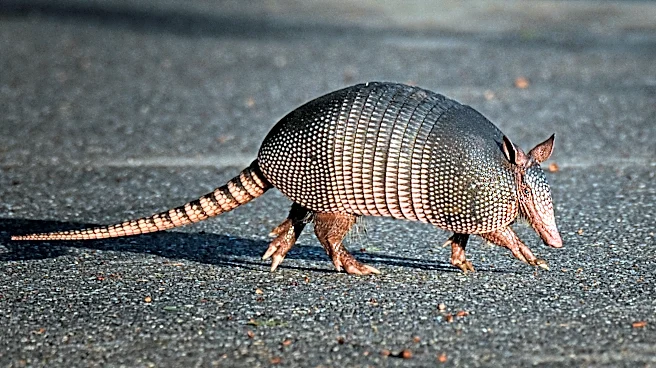
Researchers have not definitively identified the source of infection. However, multiple studies have pointed to the nine-banded armadillo, a species commonly found throughout the state.
Where has Hansen's disease (leprosy) been reported in Florida?
According to the Florida Department of Health, as of Aug. 29:
- Brevard County: 3
- Charlotte County: 2
- Duval County: 1
- Highlands County: 1
- Lake County: 1
- Lee County: 1
- Manatee County: 1
- Miami-Dade County: 2
- Okeechobee County: 1
- Orange County: 2 (+1)
- Pasco County: 1 (+1)
- Polk County: `1 (+1)
- Seminole County: 1
- St. Johns County: 1
- Sumter County: 1
- Volusia County: 2
Who is at risk for Hansen's disease?
About 95% of people are naturally immune to the bacteria that causes Hansen's disease, according to the Centers for Disease Control and Prevention, and the illness does not spread easily. It remains rare in both Florida and the United States, where only a few hundred cases are reported each year.
Public health officials say Hansen's disease, once widely feared as highly contagious, is difficult to transmit and can be cured with antibiotics taken for one to two years.
Cases in Florida have increased over time. From 1992 through 2014, the state averaged six cases a year. There were 29 cases in 2015, and Florida has averaged more than 21 cases annually since then.
Florida’s 36 cases in 2025 represented just over 20% of the 174 cases reported in the United States.
Is there a vaccine for Hansen's disease (leprosy)?
No, but it is hard to catch and completely curable, the CDC said.
What are the symptoms for leprosy or Hansen's disease?
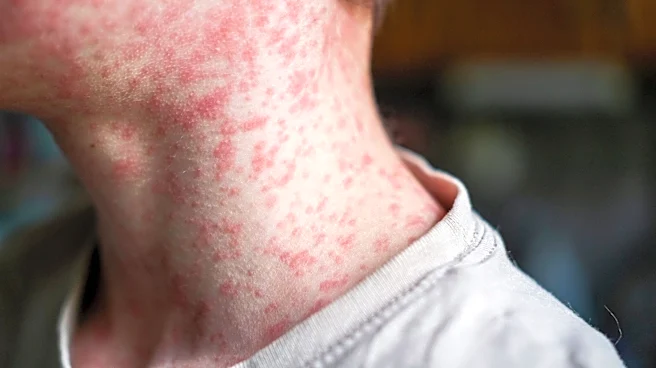
Hansen’s disease often begins with subtle changes in the skin and nerves, such as numbness and patches of skin lighter or darker than the surrounding areas. Some victims may experience a loss of sensation in the hands, feet, or other areas, sometimes accompanied by tingling.
Other common symptoms include muscle weakness or difficulty with fine motor tasks, and thickened nerves, especially around the elbows, knees or neck.
However, it can be easy to overlook the condition as symptoms may take up to 20 years to appear after exposure.
Doctors say anyone who notices persistent numb patches, unexplained loss of sensation, or progressive weakness should contact a health care provider and mention Hansen’s disease as a possibility, especially if they have had prolonged close contact with someone diagnosed or have traveled to areas where the disease is more common, such as certain regions of Asia, Africa and Latin America.
Do armadillos spread leprosy?

Possibly. Armadillos are the only animals besides humans known to host the bacteria that causes Hansen's disease, and the spread correlates with the animal's natural range, according to the Emerging Pathogens Institute at the University of Florida. It's been suggested that coming in contact with soil contaminated by an armadillo could affect humans.
In 2011, the New England Journal of Medicine publishedan article formally linking the creature to human leprosy cases.
However, leprosy is not spread through casual contact, and a victim would require prolonged exposure to the bacteria through armadillos, soil, other environmental factors, or to another person with untreated leprosy.
Many U.S. cases were contracted in another country, where the disease is still endemic, according to leprosymission.org.
C. A. Bridges is a journalist for the USA TODAY Network-Florida's service journalism Connect team. You can get all of Florida’s best content directly in your inbox each weekday by signing up for the free newsletter, Florida TODAY.
This article originally appeared on Sarasota Herald-Tribune: Florida leprosy cases rise to 22, ancient disease spreading