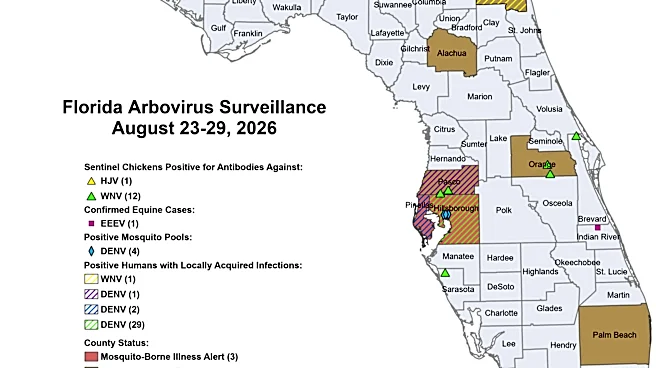







Locally acquired cases of dengue fever, a mosquito-borne disease related to the viruses that cause West Nile and yellow fever, have surged in Florida in recent weeks. As of Aug. 29, 73 cases have been reported in the state, up from 41 the week before, according to the latest arbovirus surveillance report from the Florida Department of Health.
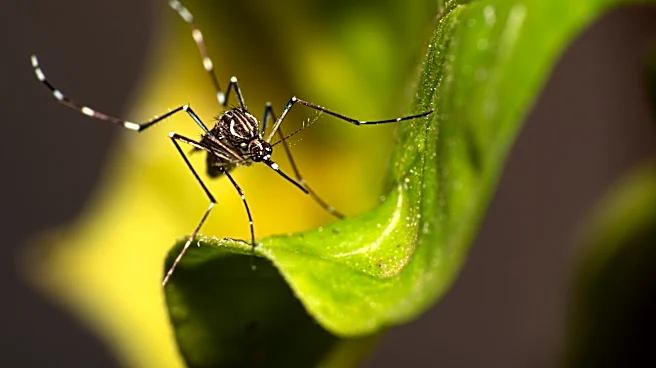
Dengue infection happens when you get bitten by one of two species of mosquito, Aedes aegypti and Aedes albopictus. Both are found in Florida.
Florida has also reported 136 cases from people who traveled to dengue-endemic countries in the two weeks before symptoms arose.
The hotspot is Hillsborough County, where 59 of the 73 cases were reported. The health department said that 14 mosquito pools located there
tested positive for DENV-2, four of them in the last week. DENV-2 is a distinct case of dengue that spreads to humans. Initial symptoms were first reported in Hillsborough in July and August, according to the agency's latest county-level summary.
The rest of the cases were in Miami-Dade (7), Palm Beach (1), Pasco (1), and Pinellas (5) counties.
Buy mosquito repellent at Amazon
Mosquito-borne illness advisories, which advise the public to be careful, have been issued for Alachua, Duval, Leon, Orange, Palm Beach, Pasco, and Walton counties. Mosquito-borne illness alerts, which means there is heightened disease activity warranting extra precautions, have been issued for Hillsborough, Miami-Dade, and Pinellas counties.
Here's what to know before you head outside this Labor Day weekend.
What is dengue? What are the symptoms?
Dengue infections are spread by mosquitoes. Mosquitoes become infected with dengue after biting a person with the virus. Those infected mosquitoes then spread the virus to other people.
"Dengue fever can be a painful, debilitating disease but is rarely fatal," the Florida Department of Health said. Symptoms appear three to 14 days after the bite of an infected mosquito and include:
- Sudden onset of fever
- Severe headache
- Eye pain
- Muscle and joint pain (giving the disease the nickname “breakbone fever”)
- Bleeding
- Gastrointestinal symptoms like vomiting and diarrhea may also be present in some cases.
Dengue fever symptoms usually last four to seven days.
In rare cases, dengue hemorrhagic fever can develop from dengue infection and can be fatal if not recognized and treated with supportive care.
There is no treatment for dengue fever, but quick identification and management of symptoms can prevent it from becoming more severe.
Where has dengue been reported in Florida? Is it spreading

According to the Florida Department of Health, as of Aug. 29, there have been 73 cases of locally acquired cases of dengue reported:
- 59 in Hillsborough County
- 7 in Miami-Dade County
- 1 in Palm Beach County
- 5 in Pinellas County
How to protect against dengue
There is no dengue vaccine. Since dengue is spread through infected mosquito bites, you should avoid getting bit.
Stay indoors in places with air conditioning and with window and/or door screens. If you must be outside when mosquitoes are active, cover up and use insect repellent on exposed skin and clothing. Use mosquito netting to protect children younger than 2 months old.
The FDOH recommends using EPA-registered repellents with active ingredients including DEET, Picaridin, IR3535, Oil of lemon eucalyptus, Para-menthane-diol, or 2-undecanone, a plant-derived ingredient.
It's also important to prevent mosquitos from breeding in the first place:
- Drain water from garbage cans, old tires, pool covers, or any other containers where water collects.
- Empty and clean birdbaths and pet water bowls at least once or twice a week.
- Protect boats and vehicles from rain with tarps that don’t accumulate water.
- Maintain swimming pools in good condition and ensure they are appropriately chlorinated.
- Empty plastic swimming pools when not in use.
Stay aware of local advisories, and if you're traveling, check for any country-specific travel recommendations, health notices, and warnings.
"Almost half of the world's population, about 4 billion people, live in areas with a risk of dengue," the Centers for Disease Control and Prevention said. Once returning from an area with a risk of dengue, even if you don't feel sick, the CDC recommends taking steps to avoid mosquito bites for three weeks to avoid the chance of spreading it to other people.
C. A. Bridges is a journalist for the USA TODAY Network-Florida's service journalism Connect team. You can get all of Florida’s best content directly in your inbox each weekday by signing up for the free newsletter, Florida TODAY.
This article originally appeared on Sarasota Herald-Tribune: Florida dengue cases spike. How to protect yourself on Labor Day weekend
Our editors independently choose our recommendations. Some content is produced with paid support from a third party, however our editorial decisions remain independent. If you buy through our links, the USA TODAY Network may earn a commission. Prices and availability may change.