







Hope is a driving force for many of the thousands of Ventura County families facing Alzheimer’s disease.
But it is being pushed by something that may be stronger, the head of research for the powerful Alzheimer’s Association told patients, caregivers, support group leaders and others on Aug. 26.
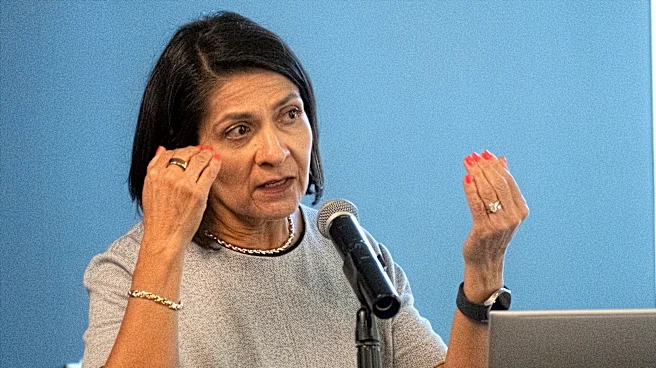
“It’s medically actionable now,” said Chief Science Officer Dr. Maria Carrillo moments after a presentation on research developments.

She pointed at medications like donanemab and lecanemab that have emerged in a world that long lacked treatment targeting the amyloid proteins linked to the disease. The drugs have received mixed reviews with at least one review questioning the clinical benefit.
Carrillo said they are not cures but can bring an extra year
of cognition.
“You can treat it and slow it down,” she said.
The disease continues its stranglehold on families. Nationwide, 7 million people live with it in a number expected to grow to 13 million by 2050. About 1 of 9 Americans 65 and older have Alzheimer’s.
Numbers are less precise in Ventura County but the Alzheimer’s Association said more than 16,500 residents had the disease as of 2020. It was the third-leading cause of death in the county from 2021 to 2023, according to a report by the Ventura County Community Health Improvement Collaboration.
Carrillo, based in Chicago, leads research efforts for an association that has invested more than $450 million in global studies making it the world’s largest nonprofit funder for Alzheimer’s work. In front of a small audience that included at least one person in an “End Alzheimer’s” shirt, she presented a mostly positive wrap-up of current research.
She cited the development of blood tests as a “new kid on the block” that can help detect the early presence of the amyloid plaques and tau proteins linked to the disease.
At an out-of-pocket cost of about $200, they are not used as an independent tool but can be employed with other methods for diagnoses.
The tests are currently for people who show symptoms. But that could change with the ongoing development of therapies designed for people who have the earlier stages of the disease and are still asymptomatic.
Researchers are beginning to “scratch the surface of treatment,” she said. Donanemab and lecanemab appear to be most effective with people diagnosed early. She said new generations of treatment are being developed as well.
Carrillo also talked about flaws, noting that some people are told they are Alzheimer’s free after new treatment that clears the protein plaques from their brains. It’s not true. Dementia remains.
“The brain cells that are dead are not going to come back,” she said.
Medication that includes CBD and THC and is being studied in Canada appears to help with the agitation that often emerges with Alzheimer’s, Carrillo said. The drug is not yet available in the United States and Carrillo cautioned people not to self-medicate.
Responding to a question about the higher rate of Alzheimer’s in Latinos, she said the prevalence may be linked to factors including diabetes and diet.
“Changing your lifestyle improves your cognition,” she said.
Nearly two-thirds of the people diagnosed with Alzheimer’s are women. Carrillo said the reasons still aren’t clear but suggested longevity, hormonal differences and societal pressures that mean many older women were not encouraged to seek higher education could play roles.
“It’s not an easy answer,” she said.
Carrillo urged people who are beginning to develop memory issues or show others signs of dementia to take action.
“The earlier you diagnose, the better outcomes you have,” she said.
She said treatment developments are moving fast enough that research leaders are beginning to use the C-word.
“We have just started to say there is a possibility of a cure in this or the next decade,” she said.
Perhaps more than anything, she pushed people to exercise their bodies and their brains, improve their diet, monitor their blood pressure and take other measures to protect brain health. She cited a new Alzheimer’s Association study that will assess whether lifestyle changes combined with metabolism-targeting drugs can reduce cognitive decline.
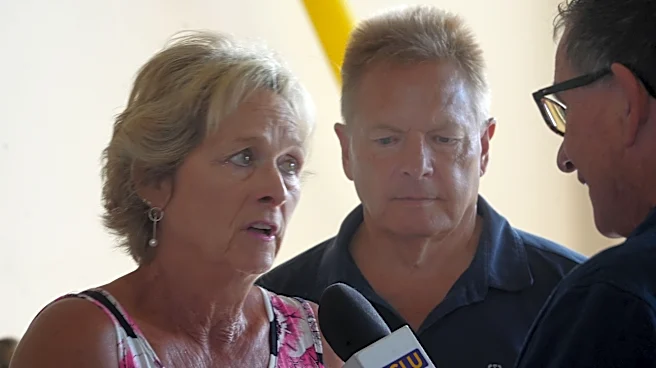
After the presentation, people posed for photos with Carrillo and chatted about the impact of research developments.
Terry Saidell of Oxnard lost his wife and his mother to Alzheimer’s. Now the 86-year-old retired advertisting salesman raises money for Alzheimer’s research. He said the surge of developments and studies currently in trial will help him show people the need for donations.
“I’m going away with facts that I can use to raise money,” he said.
Jenn Blood of Ventura leads Alzheimer’s support groups. She said caregivers tell her they weren’t prepared for the disease. She wants people to realize it is a possibility and to start planning.
“People do not want to have this conversation,” she said.
Tom Kisken covers health care and other news for the Ventura County Star. Reach him at tom.kisken@vcstar.com.
SUPPORT LOCAL JOURNALISM: To see more stories like this, subscribe.
This article originally appeared on Ventura County Star: Research leader says Alzheimer's can be slowed in Camarillo town hall