








Ventura County’s nonprofits are surviving but not thriving, according to a first-of-its-kind study conducted by California Lutheran University’s Center for Nonprofit Leadership.
The 2026 Ventura County Nonprofit Sector Report, an assessment of the financial health of the local nonprofit ecosystem that was released during a Sept. 28 presentation at the Thousand Oaks college campus, contained both hopeful and distressing findings.
The document concluded that although Ventura County is home to an abundance of nonprofits that are capable of meeting the community’s needs, the region lacks the financial investment necessary for the existing organizations to reach their potential and build resilience.

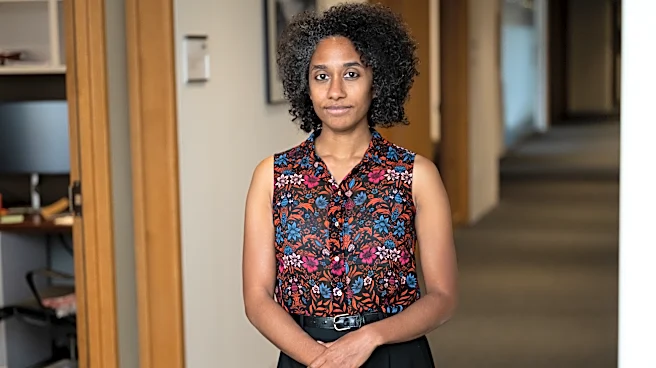
“The infrastructure is here, the leadership is here and
the commitment is here,” Dena Jenson, the center’s executive director, told the audience of local nonprofit leaders, donors and government officials. “The question that we have before us this morning is, ‘Are we willing to adequately invest in the nonprofit sector?’”
To assess the health of the nonprofit ecosystem, the team of researchers primarily relied on the 1,100 organizations’ federal tax filings from 2019 through 2024.
The team then focused on eight categories to create a 100-point scale, ranging from distressed to very strong.
Ventura County’s nonprofit sector received 55 of 100 points in 2024, falling in the stable but uneven level.
The county's greatest strength is the overall health of its nonprofit ecosystem or landscape, according to the 50-page report.
The region has a healthy, balanced mix of small, medium and large nonprofits with a presence in nearly every community. There are 13 nonprofits for every 10,000 Ventura County residents, which is in line with California’s average, according to the document.
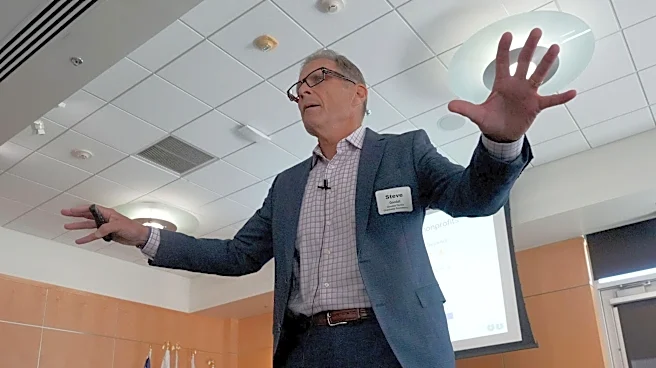
“We are not in a nonprofit desert by any stretch,” Steve Goodall, the author of the report, told the audience.
Nearly 1 in 4 nonprofits earns $500,000 or more in annual revenue, which is significantly higher than the U.S. average of 1 in 9, the report states.
Revenue diversification is another strength in the county. Nearly half of the county’s nonprofits generate revenue from multiple sources of funding rather than only one.
Resources, however, are not keeping pace with demand, which means the organizations are tasked with doing more with less, Goodall said.
The document states that each Ventura County resident donated on average $186 to charities in 2024, which is about one-third of California and U.S. levels.
The county’s philanthropic investment has been concentrated among a small number of major funders.
“While the contributions that have been made in the county by some outstanding philanthropic people have been wonderful, for the size of our population and the demand the sector is trying to deliver, it is not enough to provide a level of financial support,” Goodall said.
The underinvestment, the author said, has consequences.
First is financial stability, another of the county’s weaknesses. Nearly half of the region’s nonprofits reported annual operating deficits in 2024, according to the report.
The county’s greatest weakness, however, was sector capacity, meaning local nonprofits, when compared to those in other areas, are operating at a dramatically smaller scale with more constrained program reach.
In 2024, the estimated nonprofit revenue was roughly $4,400 per person, or 40% of California’s level, meaning the organizations are delivering below-average funded program activity.
Goodall and Jenson said they want the community to see the report not just as information but as a call to action.
They hope community members utilize the report to make better decisions and encourage more strategic investment that will ultimately allow local organizations to be more sustainable long term.
The panelists, including County Executive Officer Sevet Johnson and Thousand Oaks City Manager Andrew Powers, agreed.
“It’s a shared responsibility,” Goodall said of strengthening the sector.
Goodall said nonprofits need to view themselves as businesses and make financial health a priority by building margins and reserves into their definition of success.
Funders need to capitalize organizations long term rather than programs short term, while governments need to leverage the infrastructure already in place and treat nonprofits as partners in delivering services, he said.
Finally, the author said, businesses and civic leaders need to view the health of nonprofits as the health of the region and recognize the sector as an essential facet of the economy.
Editor's note: The Ventura County Community Foundation, one of the sponsors of the nonprofit report, also operates the Fund to Support Local Journalism.
Makena Huey is an investigative and watchdog reporter for the Ventura County Star. Reach her at makena.huey@vcstar.com. This story was made possible by a grant from the Ventura County Community Foundation's Fund to Support Local Journalism. The foundation plays no role in story selection. The Star retains full editorial control.
This article originally appeared on Ventura County Star: Study shows Ventura County nonprofits have high demand, low funding