




Record-high tidesare already flooding streets, beaches, and waterfront neighborhoods across parts of California, and forecasters warn the impacts could continue through this week as El Niño, unusually warm ocean water, and the full moon combine to push water levels higher than normal.
Los Angeles Harbor recorded a record water level of just over 8 feet on Oct. 26, surpassing a mark that had stood since 2005. Coastal flooding warnings and advisories remain in effect across much of Southern California as officials brace for more high tides and possible weekend rain.
What California's coastal forecast looks like for the rest of the week
Forecasters expect coastal flooding concerns to continue through at least Thursday, as some of the event's highest tides occur Tuesday and Wednesday morning. National Weather Service
offices in Los Angeles and San Diego have warned that water levels could remain well above normal, increasing the risk of flooded roads, beach erosion and seawater inundation in low-lying coastal communities. [
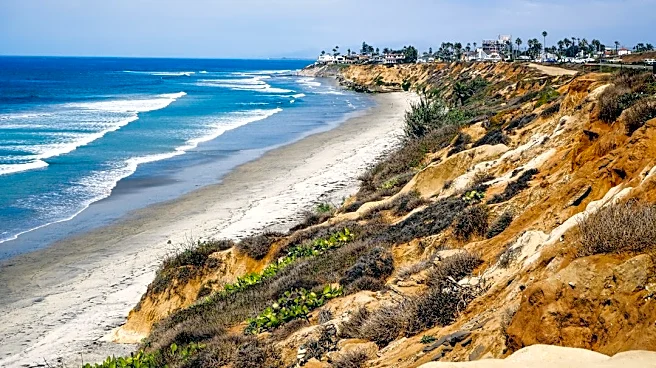
Orange and San Diego counties remain the greatest concern, where officials warn that homes, businesses, and infrastructure near the shoreline could flood during high-tide periods. Advisories also remain in effect along portions of the coastlines of Los Angeles, Ventura, Santa Barbara, and San Luis Obispo counties.
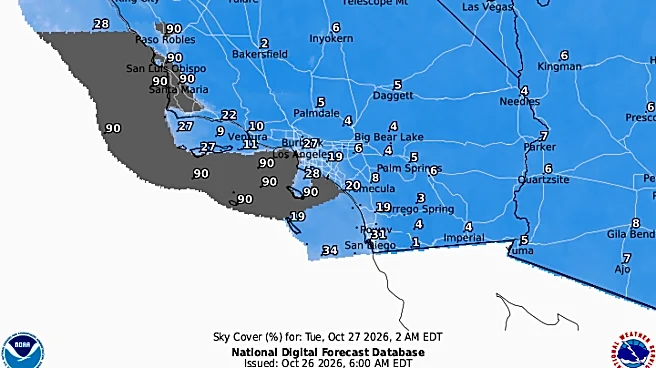
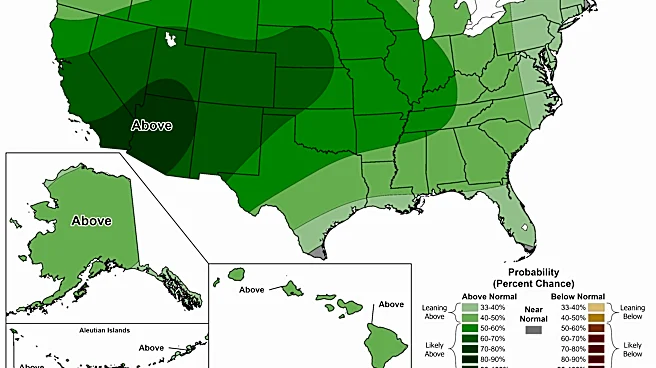
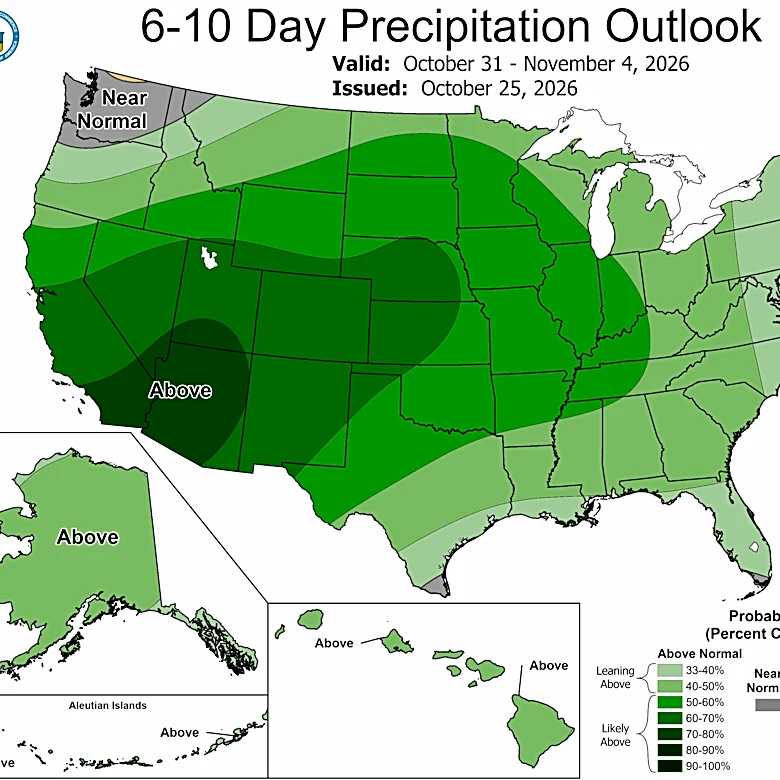
The forecast is complicated by the potential for rain later this week and into the Halloween weekend. Meteorologists say Southern California could see precipitation chances well above normal for late October as moisture associated with the developing El Niño pattern begins influencing the region.
Elevated ocean levels, high tides, and incoming rain could worsen flooding in vulnerable coastal areas and speed up beach erosion. Forecasters are also warning that additional periods of unusually high tides are possible in the coming weeks as El Niño strengthens and the winter storm season gets underway.
Where flooding is expected in California
Southern California is facing the greatest immediate threat.
The National Weather Service has warned of significant coastal flooding in Orange and San Diego counties, where morning high tides could flood low-lying roads, homes, and businesses. Newport Beach, Long Beach and other waterfront communities have already reported street flooding.
Flood advisories also extend into Los Angeles, Ventura, Santa Barbara and San Luis Obispo counties, where isolated seawater flooding and beach erosion are possible. Officials have urged residents in vulnerable areas to move vehicles to higher ground and, when possible, protect property.
In Newport Beach, residents picked up thousands of sandbags ahead of this week's peak tides, while coastal crews worked to reinforce beaches and flood-prone areas.
Why California's tides are unusually high
No single factor is driving the flooding.
Meteorologists say several conditions are converging at once: a full moon, a strengthening El Niño, warmer-than-normal Pacific Ocean temperatures and an ocean phenomenon known as a Kelvin wave. Together, those factors are raising sea levels and allowing tides to reach farther inland than they normally would.
Scientists say warm water expands and takes up more space, effectively boosting ocean heights. The Kelvin wave moving along the West Coast has already elevated water levels, while El Niño is expected to influence coastal conditions through the winter.
Forecasters also warn a similar setup could return around the next new moon in early November and during future king tide events later this fall and winter.

What El Niño could mean for California this winter
The current flooding may preview what could come later this winter.
NOAA's winter outlook favors wetter-than-average conditions across much of California, and forecasters expect El Niño to strengthen into early 2027. While that could help ease drought conditions in some areas, it may also increase the risk of flooding, coastal erosion, mudslides, and storm damage.
Researchers at UC Davis recently identified numerous vulnerable coastal areas, including parts of San Luis Obispo County, Santa Cruz County, the Bay Area shoreline, and stretches of Marin County that could face elevated flooding risks when high tides coincide with winter storms.

Coastal areas experts are closely watching
Among the locations highlighted by researchers and coastal officials:
- Long Beach Peninsula, where recent storms damaged shoreline infrastructure.
- Newport Beach, which has experienced repeated coastal flooding events this fall.
- Pismo Beach and Avila Beach in San Luis Obispo County.
- Elkhorn Slough, Moss Landing and parts of Santa Cruz County.
- Shoreline areas around San Francisco Bay, including areas near San Francisco International Airport

What Californians should do now
Residents along the coast should monitor local tide forecasts and weather alerts through the week, particularly during morning high tides. Officials recommend avoiding flooded roadways, moving vehicles from low-lying areas and preparing for possible beach closures and coastal erosion.
Forecasters say the biggest concern is powerful winter storms or atmospheric rivers arriving during future king tide cycles, when elevated ocean levels could push flooding farther inland and accelerate beach erosion.
This article originally appeared on Ventura County Star: California coastal flooding worsens as king tides hit this week